

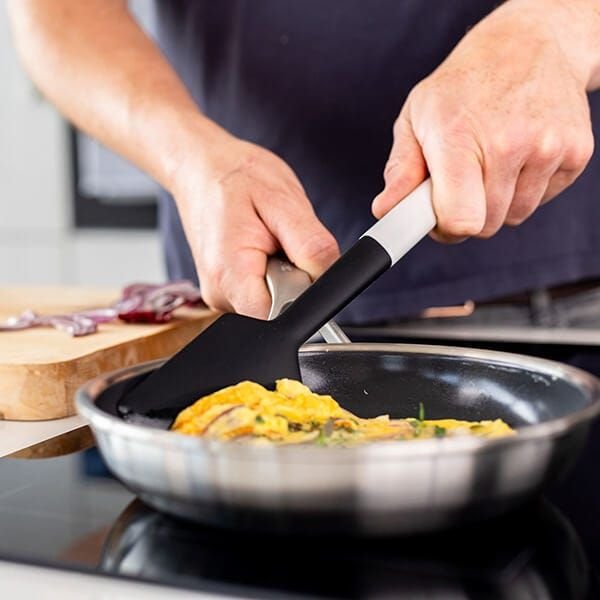
Nonstick pan scrapers are simple yet essential tools for anyone who loves to cook. Designed to protect the delicate coating of nonstick pans while effectively removing stubborn food residue, these scrapers help increase the lifespan and performance of your cookware. In this article, we explore how to choose, use, and maintain nonstick pan scrapers for optimal kitchen efficiency.
Table of Contents
Understanding Nonstick Cookware and Its Care
Nonstick cookware has become a kitchen essential thanks to its ability to cook food without stubborn sticking and to make cleaning remarkably easy. At the heart of this convenience is the innovation of specialized coatings, with Teflon (polytetrafluoroethylene or PTFE) being the most iconic, though ceramic and newer PTFE-free synthetic coatings have also become widely used. These coatings provide a smooth, slick surface, minimizing the need for excess oils and fats, and allowing even delicate dishes like eggs or pancakes to slide off almost effortlessly.
However, the effectiveness and longevity of nonstick cookware depend greatly on how the nonstick layer is cared for. The coating is inherently more delicate compared to stainless steel or cast iron, making maintenance vital for both optimal performance and user safety. Over time, scratches, abrasions, and chips can occur if harsh scouring pads, metal utensils, or abrasive cleaners are used. Not only do these damages cause food to start sticking, but degraded coatings can also release potentially harmful particles or compounds into your meals, undermining the safety aspects of nonstick technology.
This vulnerability means that the selection of cleaning tools and techniques is crucial. Many cooks accidentally shorten the lifespan of their favorite pans with improper tools: steel wool, sharp-edged scrubbers, or even aggressive brushing all have the potential to scratch and wear away the protective nonstick surface. Gentle cleaning is therefore a necessity, not just a recommendation.
That’s where dedicated nonstick pan scrapers play a unique and essential role. These simple yet effective tools are specifically developed to remove stuck-on residue without harming the sensitive coating beneath. By integrating gentle cleaning and targeted scraping, they allow users to maintain spotless pans and ensure their nonstick cookware continues to perform safely and efficiently meal after meal.
What Is a Nonstick Pan Scraper and How Does It Work
A nonstick pan scraper is a compact kitchen tool specifically designed to safely remove stubborn, stuck-on food residues from nonstick cookware surfaces without damaging their delicate coatings. Unlike metal utensils or abrasive cleaning pads, which can easily scratch and compromise the nonstick layer, pan scrapers rely on their gentle edges and purpose-built materials to preserve the integrity of your pans for years of use.
Typically, nonstick pan scrapers are made from plastic or silicone. Plastic scrapers, often constructed from food-safe polycarbonate or nylon, are known for their rigid feel and fine edges, making them effective at breaking up and lifting residue without risk of scratching. Silicone scrapers, on the other hand, offer a bit more flexibility, allowing them to contour to pan surfaces and reach into tight corners or curved edges often present in modern cookware.
Nonstick pan scrapers come in a variety of shapes and sizes. The most popular designs include rectangular or wedge-shaped tools with rounded corners, providing versatility for both broad, flat surfaces and awkward angles. Some scrapers have notched edges or are double-ended, offering multiple edge shapes to tackle a range of cookware types—from skillets to griddles to casserole dishes. Sizes vary as well, with smaller scrapers providing precision for smaller pans and larger scrapers suitable for bigger surfaces.
Plastic and silicone scrapers excel in compatibility with nonstick surfaces, but they are also gentle enough for other delicate cookware like enameled cast iron or ceramic-coated pans. However, it is important to avoid using overly hard or sharp-edged scrapers that can mar nonstick layers. Choosing the right scraper means considering both the material of your pan and the level of cleaning required; always look for scrapers labeled as safe for nonstick cookware, and avoid those made from hard plastics, metal, or glass. Using the proper tool not only enhances cleaning effectiveness but also extends the lifespan of your cookware, ensuring sustained nonstick performance.
Effective Cleaning Techniques with a Pan Scraper
Cleaning your nonstick cookware effectively with a pan scraper is a simple yet nuanced process, crucial for maintaining the pan’s nonstick performance and appearance. Begin by allowing the pan to cool down completely after cooking; sudden temperature changes may stress and damage the coating. Once cool, rinse the pan gently with warm water. Lightly dampen the affected area to soften any stuck-on residue.
Hold the nonstick pan scraper at a slight angle—usually 30 to 45 degrees—to the surface and apply gentle pressure, moving in short, controlled strokes. Avoid repetitive scraping in the same spot, which could eventually dull the coating, and always work in the direction of the pan’s grain if visible. For stubborn, dried-on bits, add a drop of mild dish soap and fill the pan with warm water. Let it soak for 10–15 minutes. After soaking, stubborn residues often lift off with minimal effort. Use the scraper again gently, ensuring the pressure remains low.
For especially persistent residues, use the flexible edge of a silicone scraper, which can adapt to the contours of the pan more safely than firmer plastic. Avoid metal utensils or abrasive pads entirely, as these can cause irreversible damage. If additional cleaning is needed, complement scraping with a soft dishcloth or sponge, never a scouring pad.
Compared to methods like steel wool or abrasive cleaning powders, a nonstick pan scraper offers superior preservation of the delicate surface, reducing the likelihood of micro-scratches or pitting. While dishwasher use is sometimes manufacturer-approved, manual cleaning with a scraper is generally gentler and more effective in the long run. Always defer to the pan’s manufacturer recommendations to safeguard your cookware’s warranty and function. By mastering these pan scraper techniques, you lay the foundation for cookware that performs optimally and remains in excellent condition for years.
Benefits of Using Nonstick Pan Scrapers
- Prolonging the lifespan of nonstick cookware: Nonstick pan scrapers are specifically designed to be gentle on delicate surfaces. Unlike metal utensils or abrasive pads, a well-designed scraper glides across the coating without scratching or gouging, ensuring the integrity of the nonstick surface for years of cooking. By avoiding scratches, the pan retains its nonstick properties, leading to less food sticking and easier releases.
- Preventing damage and degradation: Regular use of proper scrapers significantly reduces the risk of accidental damage caused by forks, knives, or harsh scouring materials. This is crucial as once the nonstick coating is breached, not only does food stick more, but the pan may also become unsafe over time. Scrapers are typically made from materials like nylon or silicone that are engineered to balance firmness and flexibility, allowing effective cleaning without causing micro-abrasions or chips.
- Streamlining cleaning routines: Pan scrapers efficiently dislodge baked-on bits and residue, eliminating the need for excessive scrubbing. This means less physical effort and a shorter cleaning cycle, which is particularly valuable after preparing sticky or challenging dishes. The design often features contoured edges tailored to pan shapes, ensuring a thorough clean every time.
- Enhancing hygiene standards: Quick removal of food residue reduces the likelihood of bacterial buildup and odors. Since scrapers allow for more effective cleaning with minimal effort, pans are less likely to be left with lingering particles or greasy film.
- Reducing environmental impact: Because scrapers make cleaning simpler, there’s less need for harsh chemical detergents—which can be harmful to the environment. They also support sustainable cookware use by helping pans last longer, decreasing the frequency with which worn-out pans must be discarded and replaced.
- Ease of use and user comfort: Nonstick pan scrapers are lightweight, comfortable to grip, and easy to maneuver. Their simplicity and targeted design offer a more pleasant cleaning experience and reduce the risk of accidental damage caused by fatigue or hasty movements.
How to Choose and Care for Your Pan Scraper
When selecting a nonstick pan scraper, it’s crucial to focus on a few core features to guarantee performance, safety, and longevity. First, consider the scraper’s material. Opt for scrapers made from food-safe plastics or silicone, as these materials won’t damage nonstick coatings and often offer higher heat resistance. A scraper that can withstand temperatures up to at least 400°F (204°C) is ideal, reducing the risk of melting or warping during use.
Ergonomics is another vital factor. Look for scrapers with a comfortable, non-slip grip that fits well in your hand, whether you’re left- or right-handed. Features such as contoured handles or slight flexibility in the scraping edge can help you navigate pan curves and corners with ease, optimizing cleaning efficiency and minimizing strain on your wrist.
Dishwasher safety is also a significant convenience. While many pan scrapers are labeled as dishwasher-safe, inspect for labeling that confirms this, as exposure to harsh dishwasher cycles can sometimes degrade lower-quality plastics. If you do hand wash, use mild detergent and avoid abrasive sponges to maintain the scraper’s surface integrity.
Proper care prolongs the scraper’s life and safeguards your pans. After each use, promptly clean your scraper and dry it thoroughly before storage to prevent bacterial growth. Store scrapers in a dry drawer or container, avoiding cramped spaces where they might bend out of shape. Periodically check your scraper for signs of wear, such as rounded or nicked edges, faded texture, or any rough spots that might scratch your cookware. If you notice any warping, loss of flexibility, or persistent stains, replace your scraper for both sanitary reasons and optimal performance. Regular replacement, every six to twelve months, ensures your cooking routine remains both safe and effective.
Conclusions
Nonstick pan scrapers are vital tools in maintaining the quality, safety, and longevity of nonstick cookware. By understanding their function, using them correctly, and practicing regular care, you can protect your pans from damage and simplify your kitchen cleaning routine. Invest in a quality scraper and caring habits to enjoy flawless nonstick cooking for years to come.
You can also explore our full list of Kitchen Tools & Appliances for expert-tested product reviews.