

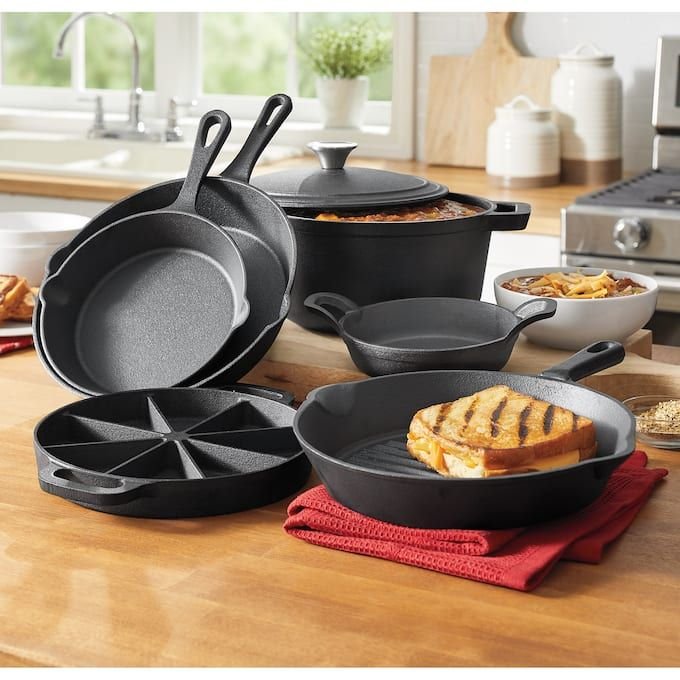
Cast iron cookware has a legendary status in kitchens worldwide, revered for its outstanding durability, heat retention, and unique ability to enhance flavors with proper use. This article explores the fascinating history, advantages, types, care techniques, and modern resurgence of this timeless cookware, providing you with all you need to know about choosing and maintaining cast iron for your culinary adventures.
Table of Contents
The Rich History of Cast Iron Cookware
Cast iron cookware’s story unfolds across millennia, shaped by shifting cultures, technologies, and culinary innovations. Its beginnings are traced to ancient China, where cast iron as a material was first smelted around the 5th century BCE. Early Chinese artisans recognized iron’s remarkable durability and heat-absorbing qualities, leading to the development of rudimentary pots and cauldrons. The technique spread across Asia—Korean and Japanese blacksmiths would eventually perfect their unique methods, crafting kettles and pans prized for both utility and aesthetics.
Europe’s foray into cast iron cookware began in the late Middle Ages, growing in the 15th and 16th centuries as blast furnace technology matured. Cast iron pots and cauldrons became essential tools in European kitchens, cherished for their ability to withstand open fires and transform simple grains and stews into satisfying meals. During the colonial era, cast iron crossed the ocean to the Americas. Early settlers relied on heavy cast iron pots, skillets, and griddles, which could be suspended over hearths and embers, making them indispensable for baking, boiling, and frying in primitive conditions.
The Dutch oven emerged in the 17th century as a pivotal innovation—a thick-walled, lidded pot perfected in the Netherlands and soon adopted in England and America. Dutch ovens became a symbol of resourcefulness, able to bake bread, simmer stews, and even roast meats all in one vessel.
By the 19th and early 20th centuries, cast iron became a cornerstone of domestic life in industrialized nations, with foundries mass-producing skillets, griddles, and specialty pans. However, post-World War II, aluminum and nonstick cookware eclipsed cast iron’s popularity, owing to the convenience of lighter, easy-to-clean alternatives. Yet, a modern renaissance has occurred as home cooks rediscover cast iron’s heritage—embracing its history, sturdy craftsmanship, and celebrated place in everyday cooking.
Why Cast Iron Cookware Stands the Test of Time
Cast iron cookware has earned its reputation for enduring through generations not merely because of tradition but thanks to a collection of remarkable benefits that set it apart from other materials. Among its defining characteristics, its *exceptional heat retention and even distribution* stand out. When preheated, cast iron maintains temperature like no other, ensuring a perfect sear on steaks and chops, an even crunch for fried chicken, or consistent warmth in slow-cooked stews. This quality drastically minimizes hot spots and allows for gentle simmering or aggressive browning, giving the cook complete control.
An often-underappreciated advantage is its *incredible versatility*. A single cast iron skillet or Dutch oven transitions easily from cooktop to oven, excelling in diverse roles. Home cooks and professionals alike reach for cast iron when searing meats, frying eggs, caramelizing onions, baking cornbread or rustic loaves, roasting vegetables, crafting deep-dish pizzas, or creating golden, crisp-edged desserts like cobblers. The cookware’s ability to go from flame to oven to table is unmatched, reducing the need for multiple pieces and streamlining the cooking process.
Properly seasoned cast iron develops a *natural non-stick surface*, which improves with repeated use and attentive care. This makes it a joy for everything from delicate pancakes and frittatas to sticky stir-fries, and it only gets better over time—unlike synthetic non-stick coatings, which degrade.
What truly distinguishes cast iron is its *longevity*. Thick, resilient construction resists warping and damage, which, coupled with the ease of refurbishing a neglected pan, means these pieces are often passed down as treasured heirlooms. Unlike modern gadgets or disposable cookware, cast iron’s performance endures, deepening the flavors and textures of dishes and weaving itself into the fabric of family kitchens for decades.
Types of Cast Iron Cookware and Their Uses
- Skillets: The cast iron skillet is perhaps the most iconic form of this cookware, known for its sturdy construction and unmatched thermal endurance. Skillets come in a range of sizes and excel at tasks like frying, sautéing, searing, and oven baking. Their gently sloped sides make them perfect for stirring and tossing ingredients, while the high-heat capacity creates an ideal crust on steaks, chops, or cornbread. Smaller skillets are highly versatile for everyday eggs or personal pan pizzas, while larger versions accommodate family meals and deep-dish recipes.
- Dutch Ovens: With tall walls and tight-fitting lids, Dutch ovens are designed for slow-cooking, braising, roasting, and even baking bread. Their heavy lids help retain moisture and intensify flavors, which is especially valuable for stews, soups, or pot roasts. Dutch ovens transition seamlessly from stovetop to oven, making them a multi-purpose workhorse, equally at home simmering chili as baking a crusty artisan loaf.
- Griddles and Grill Pans: Cast iron griddles offer broad, flat surfaces ideal for pancakes, tortillas, quesadillas, and even pizza. The double-burner griddle covers offer plenty of real estate for breakfast spreads, while smaller versions are compact for daily use. Grill pans, with raised ridges, impart desirable char marks to meats and vegetables and help render fat away for healthier cooking.
- Woks and Specialty Pieces: Cast iron woks adapt a traditional design to western kitchens, excelling at stir-frying due to their excellent heat retention. Other specialized pieces include cornbread pans, muffin tins, pizza stones, and even reversible grill-griddles—each offering distinct benefits for specific culinary applications.
Users can choose between bare cast iron, which develops a natural seasoning and excels at tasks requiring high-heat browning, and enamel-coated cast iron, which is favored for acidic dishes or easy cleanup. Enamel prevents rust and eliminates the need for seasoning, making it ideal for slow-cooked tomato sauces or braises. However, for those who cherish a naturally enhanced non-stick surface and want to take advantage of the re-seasoning process, bare cast iron remains unbeatable. Select the finish that matches your preferred cooking style: enamel for convenience and versatility, or bare for traditional performance and flavor development.
Proper Care and Maintenance for Lasting Performance
Proper care and maintenance are the cornerstones of ensuring that cast iron cookware lasts for generations, delivering unbeatable performance meal after meal. Seasoning is the essential first step for bare cast iron: thoroughly wash the cookware with mild soap to remove any factory residues, dry it completely, then apply a thin, even layer of neutral oil such as flaxseed or canola. Bake the piece upside down in an oven at 450-500°F for an hour, allowing the oil to polymerize and form that signature natural non-stick coating. Regular use and light re-oiling after cleaning will continue to build and strengthen this layer.
Cleaning cast iron should be gentle to retain the seasoning. Instead of soaking, which can promote rust, use a brush or coarse salt to scrub away residue, rinsing with warm water. Stubborn bits can be loosened by simmering a little water in the pan. Avoid using soap frequently, as it can strip the seasoning; if it’s needed, keep it mild and minimal. After washing, dry your cookware completely—either with a towel or by heating on the stove—to prevent moisture from causing rust, and finish by wiping on a light coat of oil.
If rust appears or if restoring vintage finds, scrub the affected areas with steel wool until the metal is exposed, then reseason as you would a new piece. Never leave cast iron soaking in water or allow acidic foods like tomatoes to sit in the pan for extended periods, as they can erode the seasoning.
Consistency in these practices is as vital as technique. Skipping regular seasoning, using abrasive soaps, or neglecting to dry the cookware are common mistakes that put both finish and performance at risk. With attentive daily care, cast iron becomes more non-stick and resilient over time, cementing its place as an indispensable tool in both classic and contemporary kitchens.
Cast Iron in the Modern Kitchen
From the rustic charm of cast iron cookware adorning open shelves on cooking shows to the sizzle of a well-seared steak in a chef’s skillet, cast iron finds itself more relevant than ever in the modern kitchen. This resurgence isn’t accidental—celebrity chefs, food influencers, and a newfound passion for home cooking have spotlighted cast iron’s versatility, encouraging both seasoned professionals and enthusiastic amateurs to rediscover its value.
One of the primary draws lies in cast iron’s unique heat retention and even distribution, crucial for achieving coveted crusts and perfect caramelization. Professional cooks reach for cast iron for reliable results across stovetop searing, oven roasting, and even open flame grilling. At home, amateur cooks appreciate that cast iron transitions seamlessly from cooktop to oven, accommodating a wide array of recipes from artisan breads to deep-dish pizzas.
Beyond its performance, cast iron’s sustainability is particularly appealing in an era that values eco-minded choices. Durable enough to last generations with proper maintenance, cast iron stands in stark contrast to disposable non-stick pans. For those concerned with environmental impact, investing in one well-made skillet means less waste and fewer resources expended over time.
The market now brims with innovative takes on this traditional staple. Lightweight cast iron options, pre-seasoned surfaces, and enamel-coatings offer the benefits of classic cookware with modern convenience and style. These updates blend nostalgia with functionality, attracting a new generation eager to build their own kitchen traditions.
For beginners, starting with a simple skillet is an easy and affordable entry point. Embrace the natural imperfections, allow the cookware to develop its unique seasoning, and enjoy the gradual improvement with each use. In an age of fleeting kitchen trends, cast iron remains a timeless, rewarding investment that endures—providing not only culinary results but also a tangible connection to the enduring art of home cooking.
Conclusions :
Cast iron cookware remains an unbeatable choice for both traditionalists and modern cooks, offering timeless durability, impressive results, and an enduring connection to culinary history. With proper care, it provides generations of reliable service, making it not just a cooking tool, but an heirloom and a testament to quality craftsmanship. Embrace cast iron for exceptional meals and kitchen memories.
For more cast iron cooking inspiration and recommended skillets , Dutch ovens , and accessories , visit our Dutch Ovens & Cast Iron Cookware reviews.