

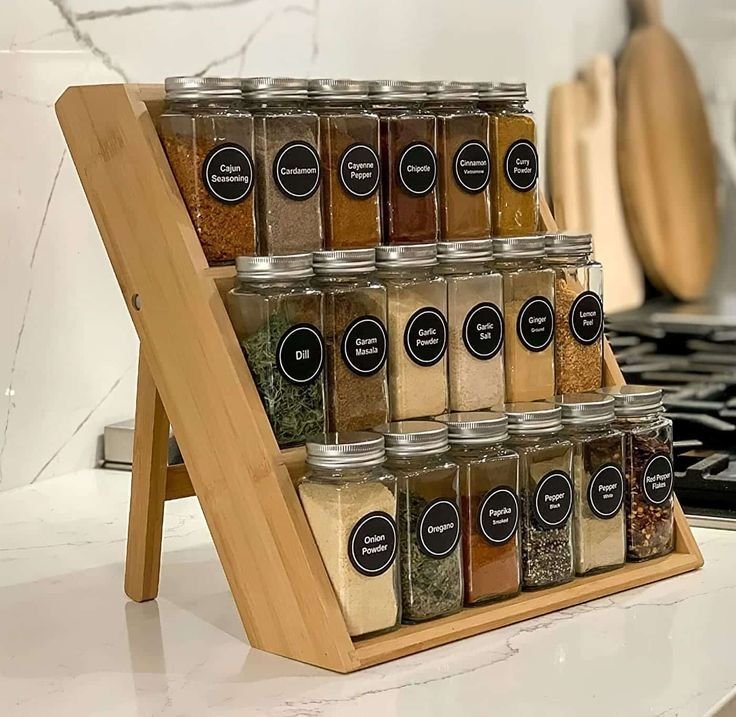
Kitchen organization tools play a critical role in creating a fast, safe, and enjoyable cooking experience. Keeping your kitchen tools organized is essential for a smooth, efficient cooking experience. A clutter-free kitchen not only saves time but also enhances safety and creativity. In this article, we’ll explore effective strategies and products designed to help you create the ultimate organized kitchen.
Table of Contents
Understanding the Importance of Kitchen Organization
In both home and professional kitchens, the use of kitchen organization tools directly impacts efficiency and the entire cooking experience. For professional chefs, organization isn’t a luxury but a necessity; it forms the backbone of operations, echoing the rigor of systems like the classic kitchen brigade. Every tool’s place is intentional, designed to ensure speed and precision amid the rush of a dinner service. Home cooks, too, benefit from bringing this mindset into their own spaces—streamlining meal prep, minimizing frustration, and making the kitchen a place of creativity rather than chaos.
A well-organized kitchen supported by effective kitchen organization tools allows cooks to move seamlessly through recipes, knowing exactly where to reach for a whisk, spatula, or chef’s knife. This orderliness slashes the time spent searching for items, letting the focus remain on technique and flavor. Less time rummaging means more confidence, fewer mistakes, and a more enjoyable process from prep to plating.
Beyond convenience, the right kitchen organization tools directly contribute to food safety. Separating tools used for raw meats from those used for produce helps avoid cross-contamination. Clear storage solutions make it easier to identify when utensils are clean and ready for use. Reducing clutter on countertops further decreases the risk of spills or accidents, creating a safer environment for everyone in the kitchen.
Proper storage also preserves the quality and longevity of tools. Knives stored loose in a drawer are more prone to nicks and dulling, while delicate gadgets may break if haphazardly tossed atop each other. Purpose-built kitchen organization tools ensure every item is snug and protected, reducing the frequency of replacements and sharpening.
Ultimately, the use of smart kitchen organization tools underpins a tidy and functional space. By mimicking the organizational discipline found in professional kitchens yet adapting it for daily domestic patterns, cooks of all skill levels can dramatically improve productivity, safety, and enjoyment in their kitchens—setting the stage for thoughtful assessment and categorization in the next steps.
Assessing and Categorizing Your Kitchen Tools
A truly organized kitchen begins with a careful assessment and categorization of your kitchen tools — a crucial step before choosing the right kitchen organization tools. Start by emptying drawers, cupboards, and countertop containers so you can see everything you own. As you lay out your items, take a moment to evaluate the condition of each tool. Ask yourself: Is this item still functional, or is it damaged, dull, or rarely used? Setting aside duplicates or broken items is a simple but effective first step toward cutting clutter.
Once you’ve surveyed your collection, consider how frequently you use each tool. Items you reach for daily—such as your favorite chef’s knife, spatula, or measuring cups—should be prioritized for easy access. Meanwhile, specialty gadgets or holiday-specific bakeware can be stored in less accessible locations. This process also uncovers forgotten tools that may be unnecessarily occupying valuable space and helps determine which kitchen organization tools you’ll need most.
Now it’s time to sort everything into functional categories, which paves the way for selecting the most suitable kitchen organization tools in the next stage. Group items such as:
- Utensils: Spoons, spatulas, whisks, and tongs
- Cutting tools: Knives, peelers, graters, and scissors
- Gadgets: Can openers, zesters, garlic presses, and thermometers
- Cookware: Pots, pans, lids, baking sheets, and mixing bowls
- Food prep tools: Measuring cups, mixing tools, colanders, and cutting boards
Assessing your tools in this way highlights not only what you use and need, but also uncovers storage opportunities. Carefully consider what truly deserves prime space near your cooking zone versus what can be tucked away. This mindful approach to decluttering and categorizing builds the foundation for choosing kitchen organization tools that maximize accessibility, order, and efficiency in the chapters ahead.
Top Kitchen Organization Tools for Maximum Efficiency
Selecting the ideal organizers will transform your freshly sorted kitchen tools into an orderly, easily accessible system. The variety of organizers available today allows you to create a storage solution tailored for both your cooking style and spatial constraints.
Drawer dividers are a fundamental choice for sectioning off flatware, utensils, and small gadgets. They prevent clutter from accumulating in deep drawers and make it simple to grab the right item on demand. Adjustable dividers let you customize spaces to fit everything from spatulas to whisks, making them perfect for drawers that house multiple categories of tools. For those with compact kitchens or limited drawer space, opting for vertical storage solutions can be game-changing.
Utensil crocks, often placed on countertops near the stove, provide immediate access to your most-used cooking implements. They’re particularly beneficial in busy kitchens, allowing you to keep stirring spoons, tongs, or ladles within arm’s reach. To avoid countertop crowding, reserve crocks for your three to five most essential utensils.
Wall-mounted racks and magnetic strips take advantage of vertical space and are ideal for frequently used tools like knives, measuring spoons, or metal utensils. This not only keeps drawers and countertops free but also adds visual appeal to blank backsplash areas. Placing these organizers near food prep stations minimizes unnecessary movement and keeps your workflow uninterrupted.
For maximizing hidden storage, in-cabinet solutions such as pull-out trays, tiered shelves, and over-the-door racks keep less-often-used tools organized yet accessible. These are especially useful for storing bakeware, mixing bowls, or specialty gadgets that don’t need constant access.
When choosing organizers, assess the volume and shape of your tool collection and the overall size of your kitchen. Prioritize organizers that capitalize on your most accessible spaces for essentials and reserve harder-to-reach storage for infrequently used items. This strategic pairing sets the stage for smooth, efficient workflows as you transition to implementing your organizational systems.
Implementing Efficient Organizational Systems
Implementing an efficient organizational system for your kitchen tools begins with thoughtful placement and strategic groupings within your chosen organizers. Start by emptying current containers, then sort every tool by its primary function—such as cutting, stirring, measuring, or prepping—creating clear, logical categories. Next, consider the frequency of use for each tool. Essentials like chef’s knives, spatulas, and wooden spoons should be stored in easily accessible spots, such as the front of drawers, a countertop crock, or mounted racks close to your prep area. Items used less often—specialized baking tools, seasonal gadgets—can go in upper cabinets or further back in deep drawers.
As you arrange tools within organizers, prioritize ergonomics. Place heavier pans and mixers in lower cabinets or on rollout shelves, while lighter items and small gadgets can be stowed on higher shelves. For drawers, insert dividers or trays, ensuring each compartment is tailored to the size and shape of its contents. Utensils that look similar but serve very different purposes—like paring knives versus steak knives—should be separated to avoid confusion and boost your workflow.
Once the initial arrangement is complete, use clear labeling to reinforce order. Labels can be as simple as adhesive tags inside drawers or as sleek as printed inserts for transparent organizers. This step not only speeds up your own process but also makes it easy for other household members to keep things in place.
Organization systems should remain flexible. Regularly review your setup—a quick monthly check lets you rearrange to accommodate new items or adapt to shifts in cooking routines. Keep an open mind for improvements, embracing seasonal reorganization or replacing worn-out organizers when necessary. This ongoing investment ensures your kitchen tool organization stays as productive as your cooking itself.
Investing in high-quality kitchen organization tools ensures that every utensil , pan , and gadget has a dedicated place , reducing clutter and boosting productivity .
Sustaining an Organized Kitchen for the Long Term
Consistency is the key to reaping the full benefits of an organized kitchen, especially when you’ve already invested in the right kitchen organization tools. Once efficient systems are in place, developing daily, monthly, and seasonal habits ensures your space stays functional and tidy. Ingraining quick tidying routines after every meal prep or cooking session makes a noticeable impact. Encourage every household member to return tools to their designated spots. Make it a habit to wipe down drawers and organizers, ensuring crumbs or spills don’t accumulate around your kitchen organization tools.
Establish a five-minute nightly reset: clear countertops, reload organizers, and double-check that essential tools are easily accessible for the next day. This tiny investment of time pays off in a clutter-free start every morning. Monthly, reevaluate your systems—assess if new gadgets are sneaking in or if something is rarely used. Remove seldom-used or duplicate tools, donating or storing them elsewhere if necessary. Use this moment to clean the kitchen organization tools you rely on most, washing utensil trays, drawer liners, and baskets to prevent buildup and maintain good hygiene.
Seasonal deep cleans are equally vital. Every three to four months, empty out organizers, shelves, and bins for a full assessment. During these sessions, inspect items for wear and tear, sharpening knives, oiling cutting boards, or tightening loose handles as needed. Get everyone in the household involved, assigning age-appropriate tasks: children can sort tools by type, adults can evaluate what to keep. This creates ownership and keeps everyone invested in maintaining the systems supported by your kitchen organization tools.
Foster a culture of mindfulness by celebrating the payoff—point out the time saved or stress avoided thanks to efficient storage systems and reliable kitchen organization tools. Reinforcing these habits transforms kitchen tidying from a chore into a routine that’s second nature, ensuring long-term harmony in your culinary space.
Conclusions
In summary, a well-organized kitchen leads to greater efficiency, improved safety, and a more enjoyable cooking experience. By assessing your needs, choosing suitable organizers, and maintaining organizational systems, you can transform your kitchen into a streamlined workspace that makes meal preparation a pleasure.
For readers interested in practical solutions, you can explore our complete reviews of Food Storage & Organization Tools to discover products that help maintain a clean and efficient kitchen.
[…] Evaluate Size, Placement, and Cleanability Nugget ice makers take up more space than bullet machines—often a full square foot or more. Ensure the spot chosen has proper ventilation and access to a power outlet. Look for easy-access filters, cleaning cycles, and included cleaning accessories, as mineral scaling can cause reliability issues. Keeping your kitchen organized helps; see tips in Top 10 Kitchen Organization Tools for a Clean & Efficient Cooking Space. […]
[…] you’re serious about organization, pair your new sink with top kitchen organization tools for a truly clutter-free cooking zone. Upgrading tools such as a stainless steel garlic press or […]
[…] optimal kitchen efficiency, see our top 10 kitchen organization tools that pair well with induction […]
[…] Include open bins or baskets for loose fruits and veggies—see advice in our kitchen organization guide. […]
[…] Establish a Cleaning Routine: Wipe gaskets and door frames monthly to maintain seals—key for energy efficiency. Pull out and clean organizational drawers every 2-3 weeks to prevent mold and odors. For more on keeping kitchen tools clean, read our kitchen organization tools article. […]
[…] bins, mark categories in bold, wipeable pen or pre-printed stickers. For more tools, check out our Top 10 Kitchen Organization Tools […]
[…] to level up your kitchen organization for induction? Explore kitchen organization tools that pair perfectly with a modern cooktop […]
[…] tools for a safer, cleaner space. For example, pairing a mat with a magnetic knife holder or kitchen organization tools can maximize your […]
[…] advanced kitchen organization and efficiency, consider pairing air fryer liners with kitchen organization tools to streamline meal prep and cleanup […]
[…] model performs equally. For those on a broader kitchen upgrade, pairing an espresso machine with a set of kitchen organization tools can maximize […]
[…] to organize your kitchen tools for less clutter? Our kitchen organization tools guide offers practical […]