

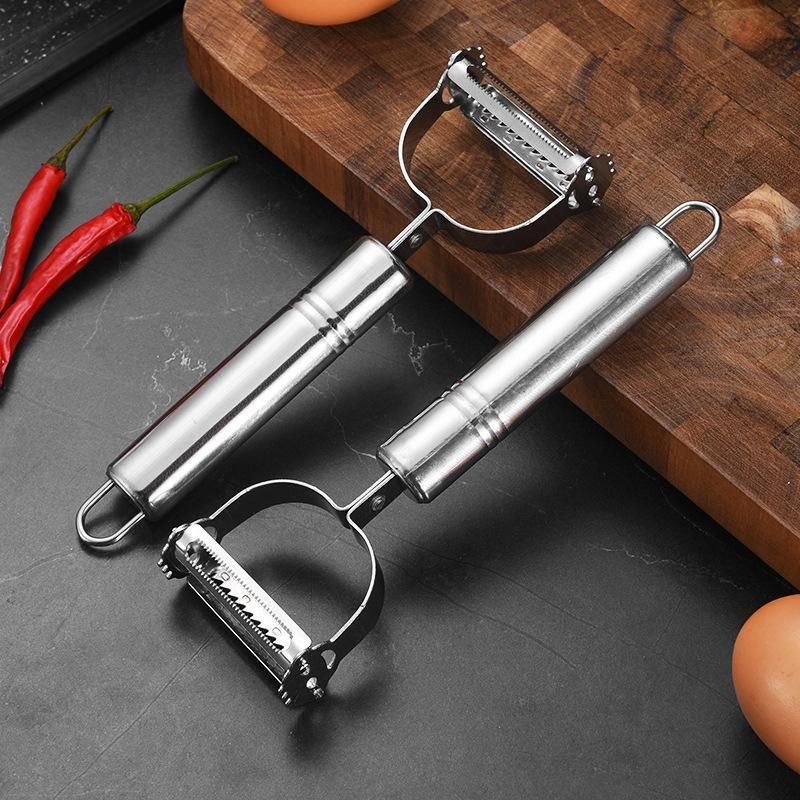
Discover the incredible benefits of an ergonomic vegetable peelers and learn how its human-centered design can transform your kitchen experience. This article explores the fundamentals of ergonomic design, the unique features that distinguish ergonomic peelers, and why upgrading your essential kitchen tool can improve comfort, safety, and efficiency in preparing vegetables and fruits.
Table of Contents
Understanding Ergonomics in Kitchen Tools
Ergonomics, at its core, is about designing products, systems, and environments to fit the people using them—rather than forcing individuals to adapt to poorly suited tools. In the context of kitchen tools, these principles become especially important when evaluating everyday utensils such as the ergonomic vegetable peeler. Drawing from human factors engineering, ergonomic design aims to meet real-world needs: comfort, efficiency, safety, and even enjoyment during repetitive tasks. When applied to a tool like an ergonomic vegetable peeler, the impact is immediate and measurable, influencing how smoothly, safely, and comfortably we prepare food.
A key ergonomic consideration is the natural posture and movement of the hand and wrist during use. Users vary in grip strength, hand size, dexterity, and sometimes physical limitations such as arthritis or reduced mobility. Well-designed vegetable peelers adapt to these differences. For example, an ergonomic peeler may have a thicker, cushioned handle that reduces pressure points and distributes force more evenly, requiring less gripping strength and minimizing fatigue. A non-slip surface ensures a secure hold even with wet hands, enhancing both comfort and safety.
Ergonomics also examines the optimal angle and motion required for a task. In a vegetable peeler, this is seen in the alignment of the blade and the handle, which should allow for a smooth, natural peeling motion without awkward twisting or excessive force. Poorly designed peelers can lead to hand cramps, repetitive strain injuries, or even painful slips. In contrast, ergonomic designs acknowledge the limitations and capabilities of the human body, aiming to reduce unnecessary strain.
The fit between user and tool is integral—when a peeler feels like an extension of the hand, tasks become quicker and less taxing. By making utensils that are intuitive, supportive, and tailored for different users, ergonomic design actively promotes kitchen safety and efficiency, setting a strong foundation for innovations explored in the evolution of vegetable peelers.
How Vegetable Peelers Work and Their Evolution
In the world of kitchen tools, the vegetable peeler holds a unique place, distinguished by its simplicity and essential utility. At its core, an ergonomic vegetable peeler is designed to remove the outer layer, or skin, of various produce quickly and efficiently with minimal waste. The cutting mechanism typically consists of a sharp metal blade set into a handle, engineered to slice just beneath the surface while following the contours of potatoes, carrots, cucumbers, and more.
Over time, several varieties of peelers have emerged, each offering distinct functional designs: straight peelers, swivel peelers, and Y-shaped peelers. The straight peeler, with its fixed blade held parallel to the handle, traces its lineage back to the earliest manual peelers, offering a straightforward but sometimes physically demanding experience. The swivel peeler, developed in the mid-20th century, introduced a pivoting blade that adjusts its angle as it glides over uneven surfaces. This innovation made peeling less strenuous and more adaptive to differently shaped vegetables. The Y peeler, recognized by its horizontal blade set on a handle forming a “Y” shape, rose to prominence largely through European designs such as the Swiss Rex peeler, offering greater control and leverage—especially for repetitive peeling tasks.
The evolution of the vegetable peeler closely parallels advances in material science and user-focused engineering. Early designs relied on wooden or metal handles paired with basic blades. Later generations introduced stainless steel, plastic, and eventually soft-grip materials to enhance hygiene and comfort. Landmark innovations such as the OXO Good Grips model revolutionized kitchenware in the 1990s by championing wide, cushioned handles and upgraded blade mounting—making peeling more accessible for cooks with reduced grip strength or dexterity. These incremental improvements laid the foundation for the modern ergonomic vegetable peeler, which is shaped for intuitive control, minimal effort, and enhanced safety—greatly enriching the home cooking experience for users of all skill levels.
Key Features of Ergonomic Vegetable Peelers
Ergonomic vegetable peelers distinguish themselves through a range of carefully engineered features designed to maximize comfort, control, and efficiency in the kitchen. At the core of their design is the shape of the handle. Unlike the straight, thin handles found on traditional peelers, an ergonomic handle is contoured to rest naturally in the palm. This gentle curvature supports a relaxed and secure grip, reducing pressure on the fingers and wrist. It is especially beneficial for users with arthritis, reduced hand strength, or limited dexterity, making ergonomic vegetable peelers accessible and comfortable for a wide range of people.
The grip material is equally important. Many ergonomic vegetable peelers feature soft-touch, non-slip coatings such as rubberized inserts or textured plastics. These surfaces not only prevent slipping, even when hands are wet or oily, but also absorb micro-shocks produced during repeated peeling motions — further minimizing hand fatigue. For anyone prone to sweaty palms or limited fine-motor control, this feature can transform peeling from a frustrating task into a smooth and enjoyable routine.
Blade alignment plays a pivotal role as well. High-quality ergonomic vegetable peelers position the blade in perfect alignment with the handle — sometimes with a slight inward angle — creating a natural peeling motion without awkward wrist rotation. Pivoting or swivel blades enhance this effect by allowing the edge to follow the contours of irregularly shaped vegetables automatically, maintaining smooth and uninterrupted contact with the surface.
A well-balanced weight distribution ensures that ergonomic vegetable peelers never feel overly heavy at either end. This equilibrium steadies the peeling motion, improving precision while reducing the likelihood of slips or accidents. Some designs also incorporate wider, slightly flattened handles to increase leverage and control across different peeling angles.
Together, these thoughtful features allow ergonomic vegetable peelers to help users peel faster, cleaner, and more safely, regardless of hand size, age, or physical ability. This combination of support, comfort, and efficiency is what makes ergonomic vegetable peelers essential tools for reliable and enjoyable kitchen work.
Benefits of Using Ergonomic Vegetable Peelers
Choosing ergonomic vegetable peelers offers numerous practical benefits that extend far beyond those of conventional models. One of the most significant advantages is the noticeable reduction in muscle strain and repetitive stress injuries. Traditional peelers often require awkward wrist positions and excess force, leading to discomfort or even conditions like tendinitis over long periods. In contrast, ergonomic vegetable peelers are crafted to keep the wrist in a more natural alignment, distributing effort evenly throughout the hand. Many users — including professional chefs and home cooks with arthritis or limited grip strength — report peeling longer without fatigue or pain.
Another key benefit is increased speed and efficiency in food preparation. The intuitive grip and optimized blade angle of ergonomic vegetable peelers translate into smoother, more consistent strokes. For example, an avid home cook shared that after switching to an ergonomic model, she could peel ten pounds of potatoes for a holiday meal in half the time and with far less frustration. In commercial kitchens where speed is critical, staff have reported measurable time savings and greater productivity when using ergonomic vegetable peelers compared to basic straight-handled varieties.
Safety is also enhanced through better control. Ergonomic vegetable peelers minimize the risk of slips by providing a confident, non-slip grip even when hands are wet or oily. This improved control decreases the likelihood of accidental cuts — a common concern in busy kitchen environments. One survey of culinary students found that minor injuries from peeling dropped by over 40% after schools replaced basic models with ergonomic vegetable peelers.
The overall comfort these devices bring cannot be overstated. Many report that prepping vegetables becomes less of a chore and more of an enjoyable, even meditative, process. This positive user experience often encourages healthier eating habits since peeling and preparing vegetables feels easier and more accessible for everyone, regardless of skill or physical capability — especially when using ergonomic vegetable peelers.
How to Select the Right Ergonomic Peeler for Your Needs
Choosing the right ergonomic vegetable peelers involves careful consideration of your individual needs and preferences. Start by physically testing the grip whenever possible. A comfortable handle that fits your hand size and provides a secure, non-slip surface — whether your hands are wet or dry — can greatly enhance control and reduce fatigue. Look for handles with soft-touch materials or subtle contours that support your fingers’ natural positioning without creating pressure spots, as this is one of the defining qualities of high-quality ergonomic vegetable peelers.
Decide between straight and Y-shaped designs, as each suits different peeling styles. Straight peelers resemble traditional knives and are ideal for those who prefer horizontal peeling motions. Y-shaped peelers are often better for a vertical, pulling movement and can offer greater control for larger or tougher vegetables. If you experience wrist discomfort or have reduced dexterity, testing both styles in person or researching detailed user feedback can help you determine which type of ergonomic vegetable peelers best matches your technique and cooking habits.
Additionally, closely examine the blade quality. Stainless steel blades offer durability, sharpness, and rust resistance. Some ergonomic models use ceramic blades, which stay sharp longer but may be more brittle. Swiveling blades conform to the contours of various produce, making peeling more efficient and reducing accidental waste.
Don’t overlook practical features such as dishwasher safety for easy cleaning and time savings, especially if you cook often. If you’re left-handed or anticipate sharing the tool, check if the peeler is ambidextrous. Look for designs with removable or flick-out potato eye removers for extra utility.
Trusted brands and specialty kitchen retailers, both online and in-store, typically offer higher-quality choices. Shopping in person allows you to test grip and balance, but detailed user reviews online reveal real-life insights about comfort, longevity, and maintenance—highlighting both strengths and potential issues before you buy. Reliable reviewers often mention how the peeler performs with different vegetables and for users with grip challenges, helping you make a truly informed decision.
Conclusions
Investing in an ergonomic vegetable peeler is a simple yet impactful way to elevate your kitchen routine. By understanding the science behind ergonomic design and focusing on comfort and usability, you can enjoy safer, faster, and more comfortable meal preparation. The right ergonomic peeler can make a world of difference for cooks of every skill level, ensuring efficiency and well-being.
If you’re interested in finding the best tools for your kitchen, you can browse our Product Reviews section, where we test and compare top-rated kitchen gadgets to help you make smarter buying decisions.