

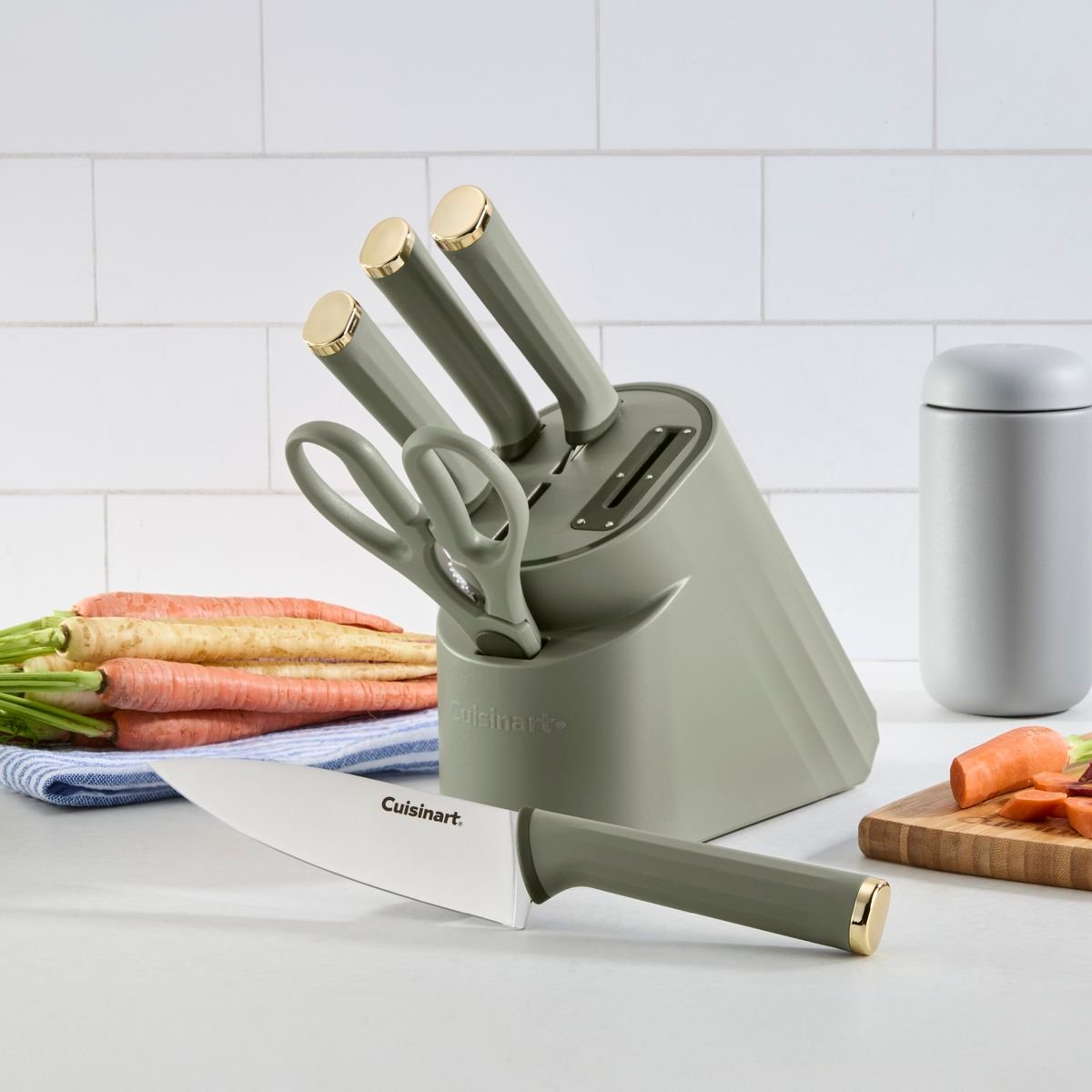
Ceramic kitchen knives have surged in popularity due to their light weight, sharp blade, and resistance to rust. But how do they compare to traditional metal knives and are they truly the right choice for your kitchen? In this article, we’ll explore everything you need to know about ceramic kitchen knives—from their unique benefits to best practices for care.
Table of Contents
What Are Ceramic Kitchen Knives
Ceramic kitchen knives stand out in the culinary world due to their unique composition and the advanced techniques used in their creation. The core material behind these knives is zirconium dioxide, commonly referred to as zirconia. Unlike regular ceramics that may be familiar from pottery or tableware, zirconia is valued for its exceptional hardness and durability. The manufacturing of a ceramic blade starts with powdered zirconium dioxide, which is subjected to extremely high pressures to form dense, compacted blanks. These blanks are then sintered at temperatures over 1,000°C (1,832°F). This high-heat process transforms the raw zirconia into a rigid, crystalline structure that characterizes high-quality ceramic knives.
Following sintering, the knife blanks are ground using diamond-dusted grinding wheels—since few other materials can cut through such a hard substance. This allows for the production of blades with an incredibly fine and sharp edge, often surpassing the factory sharpness achievable with most traditional steel knives.
Physically, the resulting ceramic blade boasts remarkable hardness, typically ranking about 8.5 on the Mohs scale (diamonds rate at 10). This hardness means a properly maintained ceramic knife can retain its edge much longer than many steel knives—even with frequent household use. Additionally, ceramic knives are extremely lightweight, contributing to comfortable, fatigue-free cutting, especially during repetitive tasks. Their dense, non-porous surface is highly resistant to staining and won’t absorb food odors, which is a subtle but important benefit for maintaining flavor purity in delicate recipes.
Because of these processes and properties, ceramic knives offer a distinct set of characteristics: exceptional edge sharpness and retention, low weight, and an inert, non-reactive blade. These features fundamentally distinguish them from their steel counterparts, influencing not just performance and handling but also the daily care and maintenance they require in the kitchen.
Comparing Ceramic and Steel Knives
When selecting between ceramic and steel kitchen knives, understanding their unique characteristics can help home chefs make informed choices tailored to their cooking habits. Both materials offer distinct benefits and potential drawbacks across several critical performance factors.
Sharpness and Edge Retention: Ceramic knives are renowned for their razor-sharp edges out of the box and exceptional ability to maintain that sharpness over time. Their ultra-hard composition (second only to diamonds) means the edge resists dulling from routine slicing of soft foods. In contrast, steel knives, though often very sharp initially, require periodic honing and more frequent sharpening due to the softer nature of steel, especially with high use.
Weight: Ceramic knives are significantly lighter than their steel counterparts. Their featherweight construction reduces fatigue during repetitive slicing and is particularly appreciated by those with limited hand strength or who spend long periods prepping fruits and vegetables. Steel knives, with their greater heft, offer more substantial handling, which some cooks prefer for precision tasks and for managing firmer ingredients.
Corrosion and Stain Resistance: Ceramic blades are immune to rust and stains, making them particularly hygienic and suitable for cutting acidic foods like tomatoes or citrus fruits without risk of blade corrosion. While many modern steel knives now use stainless alloys to resist rust, prolonged exposure to moisture or acidic content can eventually lead to stains or corrosion if not properly cared for.
Vulnerability to Breaking or Chipping: The hardness that gives ceramic knives their sharpness also makes them brittle. They can chip or even break if twisted, dropped, or used on hard foods such as bones, frozen items, or thick-skinned squash. Steel knives, while susceptible to dulling, are far more resilient to impacts and can handle heavy-duty tasks.
Best Uses:
- Ceramic knives: Ideal for slicing boneless meats, fruits, vegetables, and bread—tasks where precision and edge retention are critical.
- Steel knives: Essential for chopping, mincing, deboning, and cutting through tougher or harder foods where strength and toughness are necessary.
Choosing the right knife often comes down to matching the tool to the culinary task at hand, capitalizing on the strengths each material offers.
Benefits of Using Ceramic Kitchen Knives
One of the standout benefits of ceramic kitchen knives is their remarkable ability to maintain a razor-sharp edge for extended periods. Because the zirconia material used in ceramic blades is much harder than steel, it’s highly resistant to dulling through repeated slicing of fruits and vegetables. This sharpness advantage significantly reduces the frequency of sharpening required, making them a superb choice for busy home chefs seeking reliable, day-to-day performance.
Another critical benefit is their resistance to rust and corrosion, which stems from the non-metallic composition of ceramic blades. Unlike steel knives that can develop rust spots in humid environments or after exposure to certain acidic foods, ceramic knives remain impervious to such effects. This means there’s no risk of unsightly discoloration or metallic taste being transferred during the preparation of citrus, tomatoes, onions, or other tangy ingredients.
Ease of cleaning represents an often overlooked but important advantage. The smooth, non-porous surface of a ceramic blade doesn’t absorb liquids, oils, or odors, so a simple rinse under water or a gentle wipe is usually sufficient to keep it spotless. This makes switching between different ingredients—like pungent garlic and sweet strawberries—more convenient, helping to prevent flavor cross-contamination and reducing cleanup time.
Their lightweight nature can also streamline extended prep sessions, especially when finely slicing vegetables for salads or crafting paper-thin fruit garnishes. Because ceramic blades are lighter than their steel counterparts, hand fatigue is minimized for users who spend significant time cutting. In home kitchens where efficiency, cleanliness, and effortless handling matter, these factors give ceramic knives a genuine edge.
- Slicing tomatoes and citrus keeps their sharp edge longer without corroding or transferring flavors.
- Quick prep or meal kits benefit from fast, wipe-clean transitions between ingredients.
- Lightweight construction helps with repetitive, delicate vegetable slicing or prepping large salads for gatherings.
Proper Usage and Common Mistakes
Using ceramic kitchen knives requires a distinct approach from traditional steel knives due to their exceptional hardness and brittleness. To maximize their lifespan and performance, users must understand both proper techniques and potential pitfalls. Ceramic blades should always be used with a gentle touch, allowing their sharpness to do the work—avoid excessive force or twisting motions, which can stress and chip the edge.
Ceramic knives excel at cleanly slicing boneless meats, fruits, and soft to medium-hard vegetables such as tomatoes, cucumbers, mushrooms, and citrus. Their ultra-sharp edge glides effortlessly, helping achieve uniform cuts ideal for presentation and texture in dishes like salads and sushi. They can also be a valuable tool for mincing herbs and preparing garnishes where precision is key.
However, attempting to use ceramic knives on inappropriate foods is a common mistake. Never use them to cut through hard materials, such as bones, frozen foods, or thick-skinned squashes like butternut pumpkins. The brittle nature of ceramic can cause the blade to chip, snap, or shatter upon contact with hard surfaces. Similarly, prying, hacking, or using the knife tip for coring or removing avocado pits can quickly damage the blade.
Cutting boards matter, too—avoid glass, stone, or metal surfaces, all of which are too hard for delicate ceramic edges. Instead, opt for wood or plastic boards. While ceramic knives should not replace heavier, more robust chef’s knives for tasks like breaking down poultry or hard root vegetables, keeping their use focused on suitable ingredients ensures optimal results.
In summary, ceramic knives thrive when used for light slicing and careful handling. By recognizing their strengths and sidestepping these frequent misuses, home chefs can consistently enjoy their precise performance without risking blade integrity.
Care, Maintenance, and Longevity
Caring for ceramic kitchen knives requires specific attention due to their unique properties. Unlike metal blades, ceramic knives are nonporous and resistant to rust and staining, but they are also more brittle. For cleaning, always hand wash ceramic knives immediately after use with mild dish soap and warm water. Avoid abrasive pads or powered dishwashers, as these can scratch and weaken the blade, or even lead to accidental chipping if the knife knocks against other utensils. Dry your ceramic knife with a soft towel to prevent water spots and minimize the risk of slippage.
Safe storage is critical in prolonging your knife’s edge and preventing accidental chips. Store ceramic knives separately from other utensils, ideally in a knife sheath, blade guard, or a dedicated slot in a soft-lined knife block. Drawer storage, especially without protection, can easily result in the blade striking other objects, causing chips or even fractures.
If you notice minor chips along the edge, refrain from using the knife until the issue is addressed. Attempting to continue to use a chipped ceramic knife can escalate the damage or lead to food contamination from loose particles. Unlike metal knives, ceramic blades require specialized sharpening equipment and techniques. At-home sharpening systems rarely suit ceramic blades and can even worsen the edge if not done properly. It’s best to seek professional sharpening services familiar with ceramic material. Professionals use diamond-abrasive tools and precise angles to restore the edge without risking further damage.
Regularly inspect your ceramic knives for any signs of wear or structural compromise. Handle any damage promptly, as attempting manual repairs or makeshift sharpening can exacerbate problems. With attentive care, correct storage, and appropriate intervention when damage occurs, your ceramic kitchen knives can maintain their performance and edge for many years, ensuring a reliable and satisfying kitchen experience.
Conclusions
Ceramic kitchen knives bring unique advantages for precision cutting, offering lightweight handling and staying sharper longer than steel counterparts. However, they require careful usage and maintenance to prevent breakage. Knowing when and how to use ceramic blades maximizes their benefits, making them a valuable addition for specific tasks in any modern kitchen.
See our guide to choosing the right kitchen tools .