

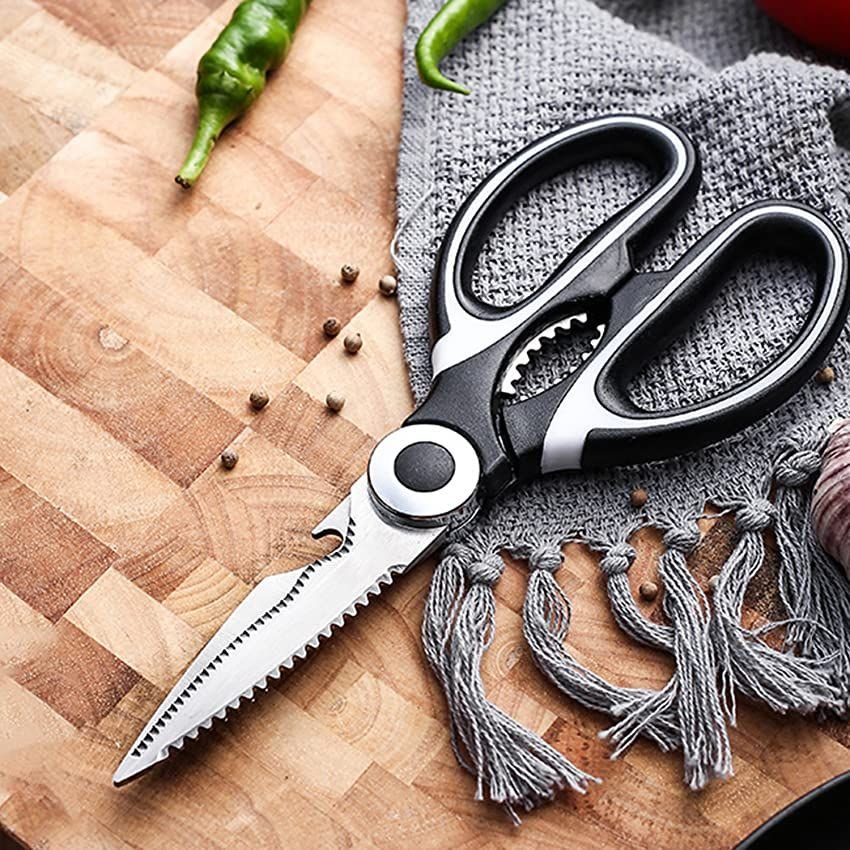
Heavy duty kitchen shears are essential tools in every culinary space, offering strength and versatility for countless kitchen tasks. From breaking down poultry to opening packaging and cutting herbs, these robust implements streamline many food prep steps. In this guide, we’ll explore what makes these shears indispensable, how to select a quality pair, and expert tips for care and usage.
Table of Contents
What Sets Heavy Duty Kitchen Shears Apart
Heavy duty kitchen shears are engineered as a distinct breed of culinary tool, standing apart from ordinary household scissors or even standard kitchen shears in both purpose and performance. Their distinguishing features begin with the blades: forged from premium stainless steel or advanced alloy materials, they offer exceptional hardness, durability, and corrosion resistance. These robust blades are often micro-serrated to grip slippery surfaces, making it possible to slice cleanly through poultry skin, cartilage, seafood shells, and even smaller bones. Unlike delicate scissors, heavy duty models often feature thicker blade profiles and longer cutting edges, specifically designed to exert and distribute more pressure without losing alignment or sharpness.
Construction quality is pivotal. Many heavy duty kitchen shears employ full tang design—extending the metal of the blade through the length of the handle—for superior stability and control. Some models incorporate a pivot or bolt for easy disassembly, allowing thorough cleaning and precision maintenance. The handles themselves are engineered with ergonomics in mind, frequently coated in textured, slip-resistant materials such as silicone or Santoprene. This not only ensures comfort and reduces hand fatigue during repetitive, forceful tasks but also maintains a secure grip when hands are wet or greasy.
Historically, kitchen shears have evolved from simple repurposed scissors used by butchers or home cooks to tailored, task-specific tools as culinary demands have advanced. In the modern kitchen, their role has expanded as people seek equipment that meets versatile food preparation challenges without resorting to unwieldy knives or specialized tools. The result is a kitchen essential optimized not just for simple snipping, but for confidently tackling demanding tasks such as spatchcocking poultry, butterflying meat, or segmenting lobster tails—jobs that ordinary scissors simply cannot manage without risking damage to the blade or the user.
The Versatility of Kitchen Shears in Food Preparation
Heavy duty kitchen shears stand out in the modern kitchen for their remarkable versatility, offering a range of functions that far surpass ordinary scissors. Their robust construction lends them the strength to handle tasks that would otherwise require multiple specialized tools, allowing cooks to streamline both simple and complex food preparation with just one implement.
One of the fundamental uses of kitchen shears is snipping fresh herbs directly over dishes or into salads, allowing for quick, even cuts and preserving the delicate leaves better than chopping. When preparing vegetables, these shears make light work of trimming green beans, cutting broccoli florets, or cubing dried fruits. For more substantial items, heavy duty shears effortlessly slice bacon, sausage links, or deli meats, making them ideal for breakfast and charcuterie boards.
Perhaps most transformative, though, is how these shears tackle challenging proteins. Spatchcocking a chicken—a method that involves removing the backbone for even roasting—becomes intuitive and safe, thanks to the shears’ sharp blades and sturdy handles. Cutting through the shell of lobster tails, crab legs, or even the tough exteriors of poultry bones is simple, greatly reducing prep time while enhancing safety compared to knives. With heavy duty shears, portioning pizza, quesadillas, and even flatbreads is a breeze, allowing for quick serving and precision.
Beyond food itself, these shears excel at non-culinary tasks like opening vacuum-sealed food packages, snipping cooking twine, or trimming parchment and foil. For home cooks and industry professionals alike, heavy duty kitchen shears can replace multiple gadgets—kitchen knives, cleavers, herb scissors, and even pizza wheels—contributing to a cleaner, more efficient workspace and reducing cleanup time. Their multifunctionality is a testament to thoughtful kitchen design centered on flexibility, speed, and user-friendly practicality.
How to Choose the Best Heavy Duty Kitchen Shears
Selecting the best heavy duty kitchen shears requires thoughtful consideration of several key factors that ensure both functionality and durability, especially given their demanding roles in meal preparation. At the forefront is material quality: Look for shears crafted from high-grade stainless steel, such as 420 or 440C, which deliver superior resistance to corrosion and maintain sharpness longer. Low-quality metal can quickly dull or even rust, particularly when exposed to acidic foods or frequent washing.
Blade type makes a significant difference in the user experience. Straight blades offer clean, even cuts and excel at slicing and trimming a range of ingredients. Serrated blades, however, grip slippery or tough foods like poultry skin or crusty bread, preventing slippage and ensuring controlled, powerful cuts. Some shears offer a hybrid design, with one serrated and one straight blade, maximizing versatility.
Comfortable handles are crucial when tackling tough kitchen tasks. Seek out shears with ergonomically contoured, non-slip grips—preferably rubberized or padded—to minimize hand fatigue and provide better leverage, especially when working with slippery or hard ingredients. Ambidextrous designs add even more value for multi-user households.
Prioritize safety features, especially locking mechanisms that keep the blades closed when not in use and help prevent accidental cuts. Shears with detachable blades stand out: This design allows for thorough cleaning of every crevice, which is essential in preventing cross-contamination, particularly after working with raw meats or seafood.
Trusted brands like Wüsthof, OXO, and Henckels are recognized for their consistent quality, longevity, and reliable performance. Avoid shears with plastic blades, poorly aligned joints, or flimsy handles, as these are likely to break or become difficult to use under heavy pressure. Investing in well-constructed kitchen shears ensures smooth prep, easy maintenance, and lasting safety in the kitchen.
Proper Usage and Maintenance for Longevity
Using heavy duty kitchen shears effectively involves more than just picking up and cutting—it’s about ensuring safety, precision, and tool longevity. Always use your shears for their intended kitchen tasks, gripping them firmly with dry hands to avoid slips. Cut away from yourself and others, especially when working with tough materials like bones or shells. If your shears feature detachable blades, separate them before cleaning to prevent injury and ensure every surface is thoroughly cleaned.
*Proper cleaning is absolutely essential.* After handling raw meat or seafood, immediately wash shears in hot, soapy water. This prevents cross-contamination and the spread of harmful bacteria. For best results, use a small brush to scrub between the blade joints and in any grooves. Detach any removable blades, rinsing and drying each piece individually. Though some heavy duty shears are labeled dishwasher safe, hand washing will help preserve sharpness and protect delicate handles.
*Dry the shears completely* with a towel to prevent rust, paying special attention to the hinge and locking mechanisms. Apply a light coat of food-safe mineral oil occasionally to the pivot point to keep the action smooth and rust-free.
*Sharpening your shears* maintains a keen edge. Use a sharpening stone or a dedicated shear sharpener, running the blades gently along the tool, mimicking the original angle. Test for sharpness by cutting through paper; if performance lags, repeat the process.
*Proper storage* is crucial. Keep shears in a dedicated sheath or mounted on a magnetic strip, away from other utensils to avoid dulling the blades. Store them fully dry and locked shut, especially if they’re within children’s reach.
*Inspect your shears regularly* for damage. Replace shears that show signs of rust, wobbly pivot points, or blade chips, as compromised shears can lead to accidents or contaminated food. Quality maintenance ensures your heavy duty kitchen shears remain reliable partners for every culinary challenge.
Expert Tips and Creative Uses for Kitchen Shears
Heavy duty kitchen shears open a vast world of culinary efficiency and creativity far beyond basic snipping. To maximize their potential, professionals rely on a range of smart techniques and inventive applications. When portioning dough for rolls or pastries, kitchen shears provide precise, quick cuts—no more sticky hands or misshapen pieces. For delicate garnishes, expert chefs snip herbs, scallions, or nori sheets directly over plates, enhancing presentation with ease. Trimming fat from poultry or meats becomes faster and more controlled than with traditional knives. In fact, heavy duty shears are perfect for spatchcocking chicken, breaking down lobster, or even cutting thin slices from cooked pizza to serve.
Innovation doesn’t stop at food preparation. Kitchen shears can double as everyday problem-solvers throughout the home. For stubborn jar lids, use the shears’ handles as a makeshift grip enhancer or built-in lid lifter. Some heavy duty models feature notched blades for cracking nuts or crab shells, eliminating the need for extra tools. Outdoors, their robust construction is ideal for snipping garden herbs, trimming flower stems, or even opening packaging, making them a versatile addition to any household toolkit.
- Avoid cutting bone or frozen foods unless the shears are designed for such tasks—doing so may warp the blades.
- Never twist or leverage the blades on hard materials, which can compromise alignment.
- Don’t use shears for multiple tasks without cleaning thoroughly in between to prevent cross-contamination.
- Resist using shears to pry open cans or lids beyond their intended secondary use functions to preserve the blade’s integrity.
If shears become misaligned, carefully tighten the pivot screw if possible, or consult the manufacturer. For sticky blade action, apply a drop of food-safe oil at the pivot after thoroughly cleaning. If blades nick or dull, professional sharpening or replacement may be needed to restore function.
Conclusions
Heavy duty kitchen shears are indispensable in modern kitchens, handling a vast array of cutting tasks with ease and efficiency. By choosing the right pair and maintaining them properly, you ensure food preparation is safer, faster, and more enjoyable. Embrace these powerful tools to elevate your culinary experience, saving time and effort every day.
For even more ways to upgrade your kitchen workflow, explore our Kitchen Tools category to find additional essentials that enhance precision, speed, and creativity.