

Discover the creative world of Cookie Decorating Tools and learn how they can elevate your baking projects. Cookie decorating is both a joyful hobby and a true art form, and using the right Cookie Decorating Tools makes all the difference in achieving beautiful results. In this guide, you’ll explore the most essential tools, understand their functions, and learn how to use them effectively—helping you transform simple cookies into stunning edible masterpieces.
Table of Contents
Cookie Cutters and Their Various Forms
Cookie cutters are among the most essential Cookie Decorating Tools, shaping the cookie and setting the stage for all decorating work. These tools determine both the form and the first visual impact of your treat long before icing or embellishments are added. Their variety spans from simple geometric cutters and classic holiday themes to intricate designs created for special occasions.
Traditional cutout cutters remain the most common style. They allow bakers to stamp clean silhouettes from rolled dough and come in metal, plastic, or silicone versions. Metal cutters offer sharp, precise edges ideal for detailed shapes, while plastic cutters are lightweight, affordable, and often sold in themed sets perfect for beginners or seasonal baking.
Detail imprint cutters add another level of creativity. These tools not only cut the outer shape but also imprint textures or internal lines into the dough. This makes them ideal for cookies that will be minimally decorated, or for adding subtle dimension beneath translucent icing. Some designs even create recessed areas that guide decorators as they apply icing.
For cookies with highly ornate finishes, mould-style cutters become indispensable. These Cookie Decorating Tools press dough into rigid or flexible silicone moulds to produce raised, 3D effects—perfect for elegant wedding treats or elaborate holiday cookies. Silicone moulds are especially favored for their flexibility, which helps release detailed cookies without breaking.
Selecting the right cutter depends on the theme, occasion, and level of detail you want to achieve. A simple round cutter is endlessly versatile, while specialty shapes instantly convey the mood or celebration. Because the first cut defines the entire decorating process, choosing the right cookie cutter opens the door to creative, beautiful results and enhances every stage of your cookie decorating journey.
Icing Tools and Techniques for Beginners and Experts
Once your cookies are shaped and baked, the next stage of decorating begins—and this is where Cookie Decorating Tools truly shine. The right icing tools help both beginners and seasoned decorators bring their artistic ideas to life with precision, consistency, and beautiful results.
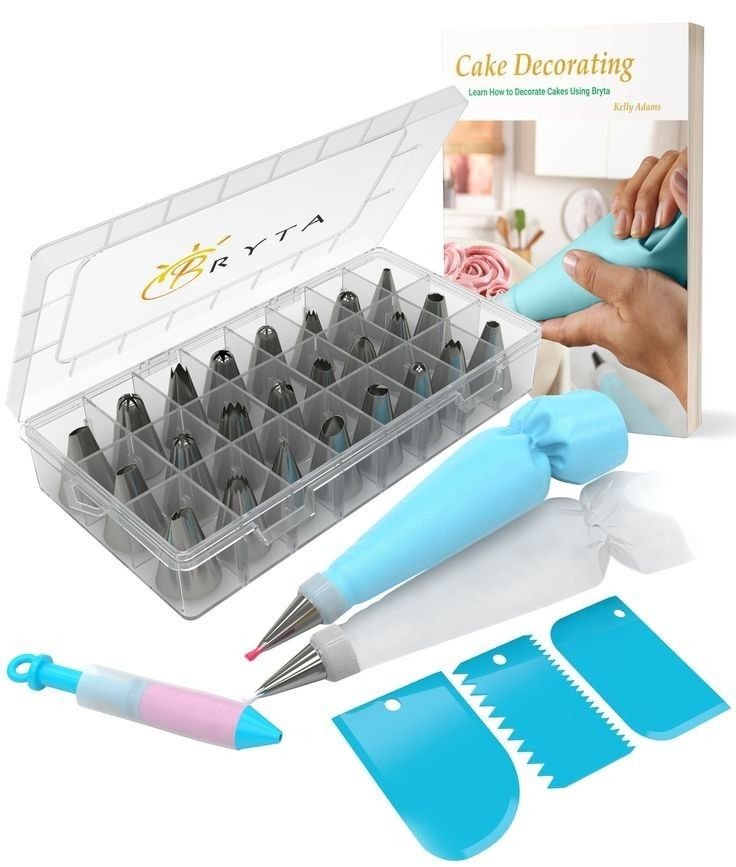
Piping bags are among the most essential Cookie Decorating Tools for icing work. Disposable piping bags offer quick cleanup for casual or high-volume projects, while reusable silicone or cloth bags provide durability and eco-friendly reliability. Pairing these bags with metal or plastic piping tips opens the door to countless designs: ultra-fine tips for writing and outlining, star tips for borders and textures, and round tips for smooth flooding or filling larger areas. Beginners can rely on a basic starter set, while advanced decorators often expand their toolkit to include specialized tips for every technique imaginable.
Offset spatulas and palette knives are equally important for achieving smooth, even icing coverage. Their thin, flexible blades allow decorators to spread buttercream effortlessly without disturbing the cookie’s surface. Scribe tools—another core component of Cookie Decorating Tools—are used to refine edges, pop air bubbles in royal icing, and create stunning effects like marbling or feathering.
Royal icing remains a favorite because of its versatility. Thin consistencies are perfect for flooding, while thicker forms create raised details and sharp outlines. Buttercream offers a softer, more textured look and is ideal for swirls, ruffles, and decorative accents that require a creamy finish.
Achieving clean lines, crisp edges, and professional details depends not only on the quality of your Cookie Decorating Tools but also on mastering technique. Consistent pressure, proper bag angles, and understanding icing viscosity are key elements for decorators of all skill levels. With practice and the right tools, your icing work can transform simple cookies into polished, eye-catching creations.
Specialty Tools for Texture and Embellishments
For decorators eager to elevate their cookies from simple shapes with icing to intricate, tactile masterpieces, a range of specialty tools can make all the difference. Embossing mats and patterned rolling pins, for example, enable the transfer of sophisticated textures directly onto dough or fondant. Rolling a strip of dough under a deeply etched rolling pin, or pressing a mat gently atop fondant, can create backgrounds that resemble lace, woodgrain, or geometric patterns—extremely effective for statement cookies at weddings or themed events.
Stencils open another avenue for creativity. Placing a stencil over a set, iced cookie allows the decorator to brush or airbrush food coloring across the surface, leaving behind sharp, crisp designs that would be nearly impossible to pipe by hand. This method is ideal for monograms, repetitive patterns, or adding consistent detail to batches of cookies. Airbrushes, paired with edible food colors, let artists add subtle gradients, ombré effects, and dynamic shading that brings realistic depth to flowers, landscapes, or characters. Light passes of color can transform flat icing into dimensional works of art.
Edible pens or markers are among the most precise Cookie Decorating Tools, allowing decorators to add fine details, facial features, and handwritten messages with total control. Unlike piped icing, these pens make it easy to outline, doodle, or personalize cookies once the icing base has fully dried.
Pairing these pens with other Cookie Decorating Tools, such as stencils or embossing mats, opens the door to intricate layering and advanced designs. For example, you can stencil a pattern onto the cookie and then enhance it with drawn lines or delicate shading. These specialty embellishment tools add texture, dimension, and artistic flair that simple icing techniques can’t achieve. Whether your goal is elegant, rustic, whimsical, or highly detailed designs, using the right Cookie Decorating Tools transforms ordinary cookies into unforgettable edible art.
Cookie Presses and High-Volume Decorating Solutions
When efficiency and consistency matter—whether for large gatherings, holiday exchanges, or commercial baking—using the right Cookie Decorating Tools is essential. Cookie presses, often called cookie guns, are especially valuable in these scenarios. By simply loading dough into the tube and pressing the trigger, bakers can produce dozens of identical shapes in seconds, from festive trees to elegant rosettes. This uniformity ensures even baking and beautifully finished cookies every time.
High-volume Cookie Decorating Tools like cutting sheets and rolling cutters take efficiency even further. These tools allow you to cut multiple cookies at once in classic shapes such as circles, diamonds, or hearts, replacing the repetitive single-cutter process. With consistent shapes across a full batch, decorators can apply icing, sprinkles, or details more quickly and uniformly. This shift to batch processing saves time, enhances presentation, and delivers professional-level consistency with every tray.
Choosing between manual and automated options depends on scale and preference. Manual presses and cutters offer control and are suitable for home bakers or small events. They provide the tactile satisfaction of hands-on preparation while still boosting production. Electric cookie presses, on the other hand, excel when meeting high demand. These devices deliver precision and volume without hand fatigue, ideal for bakeries or those preparing for very large-scale events.
When making your selection, consider the tool’s material (stainless steel or food-grade plastic for durability), ease of cleaning, the range of available shapes and disks, and how comfortable the grip feels during extended use. Streamlining production with these specialized tools means less time in prep and more time perfecting your decorative finishes, ensuring every batch dazzles with professional uniformity.
Care, Maintenance, and Tool Selection Tips
Proper care and thoughtful maintenance of your Cookie Decorating Tools are just as important as mastering piping techniques or choosing the right icing consistency. After each decorating session, give your tools immediate attention by washing piping tips, couplers, and spatulas in warm, soapy water. Use small cleaning brushes to remove any stubborn icing residue and keep your tools performing at their best.
Silicone mats, rolling pins, and other frequently used Cookie Decorating Tools should always be hand-washed to prevent warping, odor retention, or surface damage. Avoid harsh abrasives that can scratch materials and create spaces where bacteria can grow. Once cleaned, allow every tool to air-dry fully before storing it. This prevents rust, moisture buildup, and long-term deterioration—especially for tools with metal components.
Proper maintenance ensures your Cookie Decorating Tools stay hygienic, durable, and ready to help you create flawless treats every time.
Choose quality over quantity when building your decorating toolkit. Invest in stainless steel piping tips for their durability and resistance to rust, and opt for sturdy silicone or food-grade plastic for reusable piping bags. When selecting tools, consider your primary decorating styles—fine detail work requires smaller precision tips and scribe tools, while bold, colorful designs benefit from wider tips and adjustable couplers. Beginners might prefer starter sets with labelled tools, while advanced decorators can gradually expand their collection with specialty equipment tailored to their signature techniques.
Organization plays a major role in boosting efficiency and creativity when working with Cookie Decorating Tools. Compartmentalized storage boxes keep piping tips and couplers neatly sorted and prevent misplacement, while magnetic strips or hanging racks are perfect for storing spatulas, scissors, and other frequently used tools. Airtight containers help preserve the freshness of food colors and sprinkles, ensuring your decorating process stays smooth. For high-volume decorators, labeled drawers or rolling carts make bulk supplies easy to access and visually organized.
Regular tool maintenance is just as important as storage. Inspect your Cookie Decorating Tools often and replace piping bags with weakened seams, frayed tips, or any metal tools that have become bent or damaged. Proper care and smart investments extend the lifespan of your equipment, helping every batch of cookies look as polished and beautiful as your creative vision.
Conclusions
Mastering the use of Cookie Decorating Tools empowers bakers of every skill level to create beautiful, professional-looking treats. By understanding how each tool functions—and how to use them effectively—you can decorate cookies that look stunning and taste just as impressive. Investing in high-quality Cookie Decorating Tools, maintaining them properly, and experimenting with new techniques will help you continually improve your decorating skills and elevate every batch of homemade cookies.
For more helpful tools that improve your baking workflow, explore our Specialty Baking Tools category.