

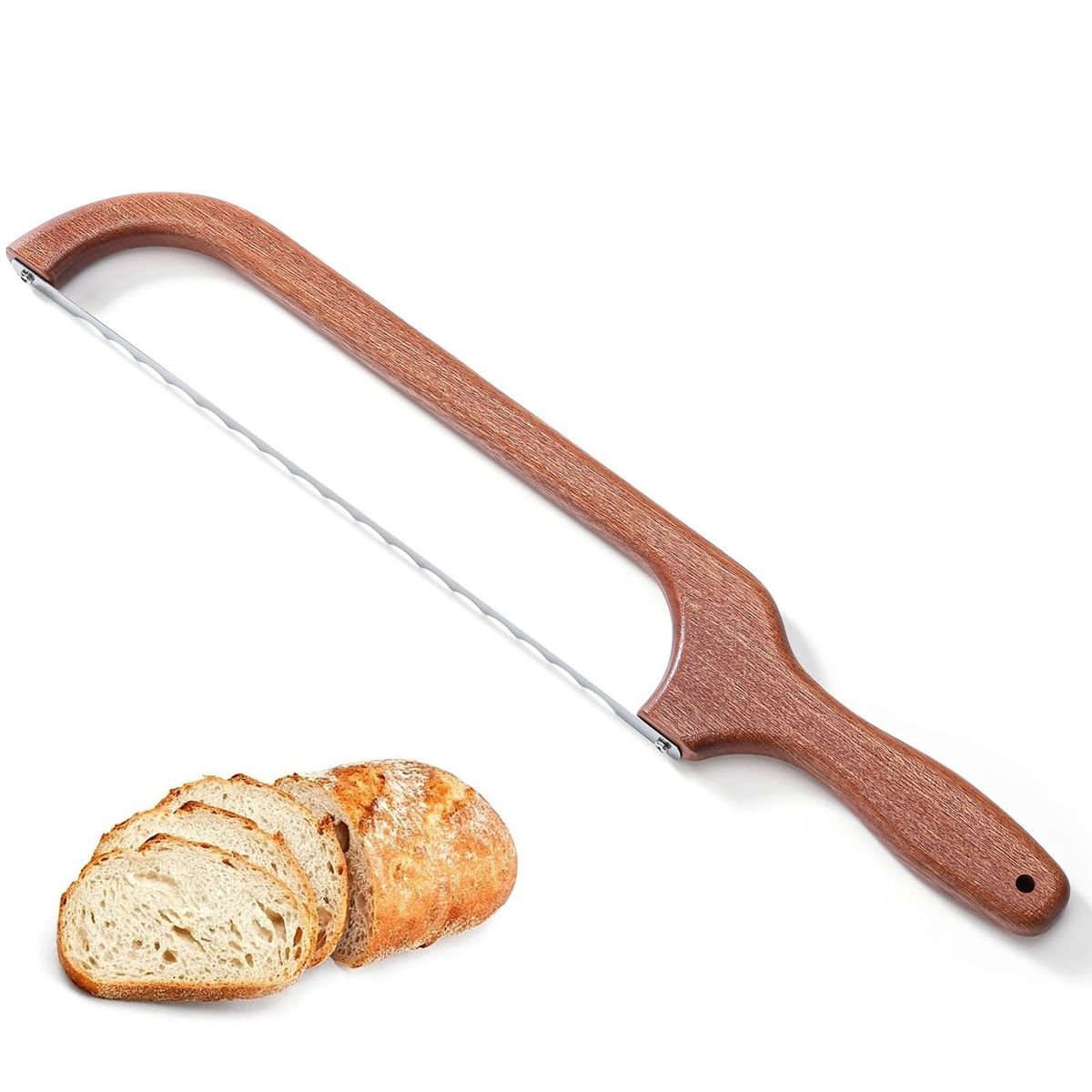
Bread scoring knives are an essential tool for every baker aiming to create visually striking and delicious homemade bread. Whether you’re a novice or professional, understanding the function and significance of a bread scoring knife will elevate your baking results, helping you achieve perfectly risen, beautifully decorated loaves that impress every time. Discover all you need to know about bread scoring blades in this comprehensive guide.
Table of Contents
The Art and Science of Bread Scoring
Bread scoring is both a technical requirement and a creative expression in artisan baking. Using bread scoring knives allows bakers to guide the dough’s expansion by creating intentional cuts before the loaf enters the oven. As the dough heats up, internal gases rapidly expand, and without proper scoring, the bread can burst unpredictably. Strategic slashes made with bread scoring knives control the “oven spring,” shaping how the loaf opens and ensuring an even, attractive final form.
Beyond functionality, scoring is a form of artistry. The depth, angle, and pattern created with bread scoring knives influence crust thickness, crumb texture, and the path that steam takes during baking. Light decorative cuts add delicate visual details, while deeper slashes create bold arcs or dramatic ears on baguettes and boules. Many traditional breads follow specific scoring styles, such as the single long cut of a French bâtard or the geometric patterns found in Scandinavian and Italian loaves.
The cultural roots of scoring stretch back centuries. In many communities, distinctive slashes served as baker’s marks, identifying family loaves in shared ovens. Over time, these marks evolved into artistic signatures, reflecting regional traditions and personal craftsmanship. Today’s bakers draw inspiration from historic methods as well as modern designs, using bread scoring knives to bring individuality to every loaf.
Thoughtful scoring represents the final step in a loaf’s journey—from fermentation to shaping and finally to the oven. With skilled use of bread scoring knives, bakers turn each loaf into a work of edible art, balancing technique and creativity in every cut.
What Makes a Great Bread Scoring Knife
A great scoring tool is designed to meet the specific demands of artisan baking, and this is exactly where bread scoring knives excel. Unlike standard kitchen knives meant for slicing or chopping, bread scoring knives are engineered to glide smoothly across fermented dough, creating clean and precise incisions. Their razor-thin, ultra-sharp blades—either straight or slightly curved—allow bakers to cut dough without dragging or tearing, which is essential for predictable oven spring and a beautifully formed crust.
Material quality plays a major role in performance. High-quality bread scoring knives typically use stainless steel or high-carbon stainless steel. Stainless steel blades resist corrosion and require minimal maintenance, making them ideal for everyday home bakers. High-carbon steel blades, while requiring more care, hold a sharper, finer edge—preferred by professionals seeking maximum precision.
Handle ergonomics are just as important. Because scoring requires delicate control, the handle of a scoring knife should feel comfortable and balanced in the hand. Whether the handle is made from wood, plastic, or metal, a well-designed grip enhances safety and stability. Many traditional lames feature a lightweight, slender construction to improve maneuverability and provide better tactile feedback.
Compared to utility knives or paring knives, bread scoring knives offer superior precision and safety. Their specialized design allows for confident, assertive slashes while reducing the risk of slipping—especially when working with sticky or highly aerated dough. This level of precision invites bakers to explore more intricate scoring patterns, ultimately shaping the loaf’s bloom and adding artistic flair to every bake.
How to Use a Bread Scoring Knife Effectively
Using bread scoring knives effectively requires the right blend of technique, timing, and an understanding of how dough behaves during baking. Begin by checking that your loaf is properly proofed—not under-proofed, which makes dough resist the blade, and not over-proofed, which causes collapse. Just before baking, make confident, intentional cuts to guide oven spring and control how the bread opens.
Lightly dust the dough with flour to prevent sticking, then hold your lame or scoring knife at a shallow angle—about 30 to 45 degrees. This angle helps bread scoring knives create the signature “ear” that forms during baking, rather than allowing the cut to reseal or burst unpredictably. Use a smooth, quick motion for each incision; avoid sawing, as it tears the dough and disrupts clean expansion.
Cut depth is essential. Aim for about 1/4 inch (6 mm) on standard loaves. Shallow cuts may disappear as the loaf bakes, while deeper cuts can cause spreading or collapse. For decorative scoring, keep cuts more delicate to preserve fine patterns.
Common mistakes include hesitant, slow cuts that leave ragged lines, scoring too early in the process, or pressing so firmly that the dough flattens. Always make your cuts right before placing the loaf in the oven to maximize bloom and lift.
Patterns created with bread scoring knives do more than look appealing—they influence how the loaf expands. A single long slash directs upward rise, while multiple cuts encourage a rounded bloom. Decorative scoring adds visual flair but should always leave room for proper expansion. With practice, you’ll develop confidence, style, and a signature look for every loaf.
Cleaning and Maintaining Your Bread Scoring Knife
Proper care of your bread scoring knife is the key to precise, reliable cutting and the continued beauty of your design work. Always begin by cleaning your blade immediately after each use. Dried dough can be surprisingly sticky and difficult to remove once set, so rinse under warm running water as soon as possible. Use a soft cloth or sponge—never abrasive pads—to gently wipe away any residue. If your scoring knife has a handle made of wood, avoid full immersion, as this can cause swelling or cracking over time.
For *stainless steel* blades, a quick wash and thorough drying are usually sufficient, as stainless resists most staining and oxidation. Still, ensure the blade is completely dry before storing, as even stainless steels can spot or develop rust in humid environments. For *carbon steel* blades, maintenance is more hands-on. Dry immediately and completely, then lightly coat the blade with a food-safe oil to prevent rust and maintain a razor-sharp edge. Carbon steel’s superior sharpness comes with this extra responsibility—a thin layer of oil acts as a barrier against moisture and oxygen.
When it comes to storage, always keep your scoring knife in a protected place. Many scoring knives come with their own sheath or case. If yours does not, wrap it securely in a clean cloth or keep it in a dedicated compartment where the edge will not be dulled or damaged by other utensils. Never store your bread scoring knife with the blade unprotected in a drawer.
Blades should be replaced—or if applicable, sharpened—the moment you notice difficulty making clean cuts or if the blade snags or drags through the dough. Replace disposable blades; for reusable ones (especially in traditional French lames), carefully sharpen using a fine honing stone. Sharp, well-maintained blades deliver the best results and safest handling every time.
Choosing the Best Bread Scoring Knife for Your Needs
Choosing the perfect bread scoring knife is about more than simply picking the sharpest blade. A baker’s hand size, skill level, and artistic ambitions should inform their choice, alongside practical concerns like price and frequency of use. Fixed blade knives—often crafted from high-quality stainless or carbon steel—provide exceptional control, favored by many artisan bakers for intricate designs and deep, confident scores. These knives offer a solid grip and a tangible connection to the dough but may require careful maintenance and sharpening.
**Replaceable blade lames**, typically featuring double-edged razor blades, have surged in popularity for both home and professional bakers. Blades can be switched out swiftly for a consistently clean cut, reducing the risk of tearing delicate dough. Plastic-handled lames are lightweight and budget-friendly—excellent for beginners or those on a tight budget—while beautifully finished wooden models from brands such as Mure & Peyrot or Wire Monkey elevate the scoring ritual and often include ergonomic handles for added comfort.
When assessing brands, consider established names such as **Bannetons, Saint Germain, Mure & Peyrot, Breadtopia**, and budget alternatives like **Utopia Kitchen**. For smaller hands or more reserved scoring, choose a scoring knife with a slimmer handle and short blade, ensuring precise control without fatigue. Frequent bakers will benefit from a tool built for durability, with replaceable blades or robust construction. Consider also the intended scoring patterns: curved blades allow for dynamic, decorative slashes, while straight blades produce bold, practical cuts for better oven spring.
Price points range from under $10 for basic plastic lames to $30 or more for artisan-crafted, stylish knives. For most home bakers, a midrange lame with replaceable blades balances quality and cost, while professionals or design-focused bakers may find investment in premium brands worthwhile for daily, demanding use.
Conclusions
In summary, mastering the bread scoring knife transforms homemade loaves from simple to spectacular. By understanding the tool’s role in baking, learning effective techniques, and maintaining your knife correctly, you can consistently produce artisan-quality bread. Choose your bread scoring knife with care, and let your creativity shine in every cut and pattern.
For more helpful tools that improve your baking workflow, explore our Specialty Baking Tools category.