

The stainless steel dough scraper is a fundamental utensil in both professional and home kitchens, prized for its versatility and durability. From manipulating dough to cleaning work surfaces and portioning ingredients, this simple tool can truly transform your baking experience. In this article, we’ll explore its many uses, advantages, and practical tips, helping you make the most of every bake.
Table of Contents
Understanding the Stainless Steel Dough Scraper
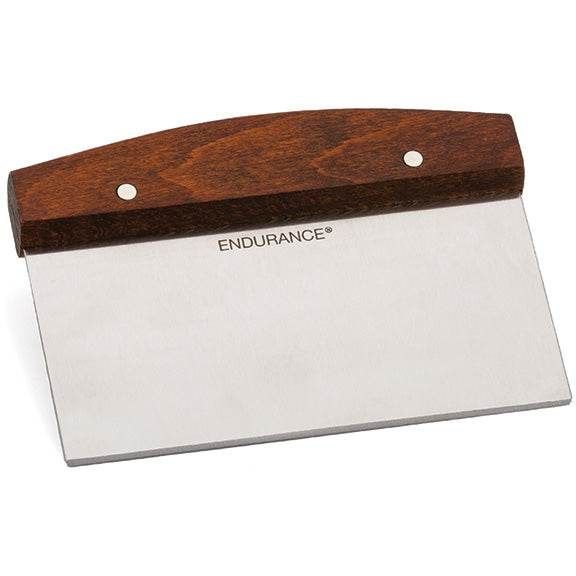
A stainless steel dough scraper is a compact yet powerful tool used by both home bakers and professionals. It features a flat, rectangular blade made primarily of stainless steel, offering excellent durability and precision. Most stainless steel dough scraper blades measure around 6 inches (15 cm) wide and 3 inches (7.5 cm) tall, providing the perfect balance between coverage and maneuverability. With a typical thickness of 1–2 millimeters, the blade remains flexible enough to slide under dough while staying rigid enough for clean dividing and lifting.
The handle plays an important role in comfort and control. Some stainless steel dough scraper designs come as a single seamless piece, while others include added handles made from wood, plastic, or rubber. Stainless steel handles are sleek and hygienic, whereas wooden or rubberized options offer a warmer, non-slip grip. Certain models skip traditional handles entirely, using a curved metal ridge that allows bakers to press directly on the blade for extra leverage.
Another standout feature of the stainless steel dough scraper is the edge design. The straight cutting edge is perfect for portioning dough cleanly and consistently. Some versions have a slightly beveled side for sharper cutting, while rare specialty models include a subtle serrated edge for decorative work or crust scoring.
The history of the stainless steel dough scraper is rooted in the evolution of bread and pastry making, where precise and hygienic tools became essential. Although plastic and silicone scrapers exist, stainless steel remains the preferred choice due to its durability, easy cleaning, and resistance to retaining odors or colors. In both professional and home kitchens, this versatile tool is also known as a bench scraper, pastry scraper, dough cutter, or pastry cutter—names that highlight the many roles it plays across different culinary traditions.
Versatile Uses in Baking and Cooking
The stainless steel dough scraper is known for its incredible versatility, making it an essential tool for every baker. Its primary strength lies in dough manipulation. When working with sticky bread doughs or elastic sourdoughs, the stainless steel dough scraper easily lifts, folds, and turns the dough while reducing direct hand contact — a major advantage for temperature-sensitive recipes. Bakers also rely on its straight, rigid edge to cut clean, uniform portions for rolls, pastries, or loaves, ensuring consistent size and even baking.
But portioning is only the beginning. Both home cooks and professional chefs use the stainless steel dough scraper to transfer chopped ingredients efficiently. After slicing vegetables, nuts, or herbs, the wide blade scoops and moves ingredients from the cutting board to bowls, pans, or mixers with ease. This improves workflow, minimizes spills, and helps keep prep stations tidy. Its sturdy design also makes it ideal for gathering sticky doughs or batters that cling to work surfaces.
Cleaning is another invaluable use. During active baking sessions, countertops quickly collect flour, dough scraps, and residue. With a quick, firm motion, the stainless steel dough scraper removes debris and restores a clean surface, reducing cross-contamination between different doughs or recipes.
Beyond bread making, the stainless steel dough scraper shines in shaping and finishing tasks. Bakers use it to guide pastry rounds, smooth frosting on cakes, or create crisp lines in ganache. Its precision and leverage make it useful for any task that demands accuracy or efficient transfer. This versatility has cemented the stainless steel dough scraper as an indispensable tool for both baking and general cooking.
Benefits of Stainless Steel Construction
Stainless steel stands out as the material of choice for dough scrapers, and for good reason. Its unmatched strength ensures the tool can handle firm, elastic doughs and scrape dense or sticky batters from even the toughest surfaces without bending or warping. This robustness lends itself beautifully to bakers who regularly tackle heavy sourdoughs or large quantities of dough, where lesser materials might flex or break.
Another significant advantage is hygiene. Stainless steel is non-porous, so it doesn’t harbor bacteria or absorb odors and stains the way wooden or some plastic scrapers can. This is especially vital when switching between tasks, such as moving from bread dough to pastry or even cake decorating. A simple rinse or a pass through the dishwasher brings it back to spotless, food-safe condition.
Corrosion resistance is a hallmark of quality stainless steel. Exposure to moisture, acids from certain ingredients, or cleaning products won’t easily dull or rust the blade. Unlike silicone, which can degrade over time, or plastics, which may warp or scratch, stainless steel maintains its integrity through years of daily kitchen demands.
A stainless steel edge also allows for greater control and precision. Its ability to maintain a thin, sharp edge is critical when you need to divide dough cleanly or to scrape delicate pastry bits from a countertop. In contrast, plastic or silicone tends to dull quickly or may lack the rigidity necessary for clean, sharp cuts and efficient scraping.
For professional kitchens or passionate home bakers, these qualities elevate stainless steel beyond mere preference—it becomes an essential for efficiency and food safety. While plastics have their place for ultra-light tasks, or silicone for nonstick pans, neither matches the all-around performance stainless steel consistently delivers in demanding culinary settings.
Tips for Effective Use and Maintenance
Achieving the best results with a stainless steel dough scraper hinges not just on its superior material but also on mastering its use and care. For sticky doughs, such as high-hydration bread or enriched brioche, keep the blade clean and lightly floured or oiled. Push the blade beneath the dough with a swift, confident motion; this reduces sticking and lets you maneuver the dough smoothly for folding or dividing. When scraping countertops, hold the scraper at a slight angle—about 30 degrees—to glide under residues without damaging work surfaces or the scraper’s edge.
Focusing on grip is essential for control and safety. Use your dominant hand to hold the handle firmly, wrapping your thumb over the top for stability. With wet hands or greasy conditions, a firm grip prevents slips that could lead to accidental nicks. If your scraper is a single-piece design without an ergonomic grip, consider wrapping the handle in a rubber band or food-safe tape for extra traction, especially when working swiftly or with wet doughs.
After each use, promptly rinse off dough fragments under warm water and use a gentle sponge if necessary. Avoid abrasive scouring pads that can scratch the blade and compromise its finish. Dry the scraper thoroughly to prevent water spots and oxidation, even though stainless steel resists rust. Storing the scraper in a dedicated slot or sheath keeps the edge sharp and prevents accidental cuts when reaching for other tools.
Regularly inspect the edge for any burrs or nicks—if found, hone lightly with fine sandpaper or a sharpening tool. By adhering to these practices, you ensure your stainless steel dough scraper remains a safe, efficient, and long-lasting ally in even the busiest kitchen environments.
Choosing the Best Stainless Steel Dough Scraper
When searching for a stainless steel dough scraper, making an informed choice ensures the tool matches your baking needs and delivers lasting value. Begin by evaluating the blade’s thickness and flexibility. A blade too thin may bend under pressure, while one too thick can be unwieldy; a medium gauge—around 1mm—balances strength and adaptability for dividing doughs or scraping surfaces. For precise work such as lifting delicate pastry or cleaning bowls, opt for a slightly flexible edge.
Handle comfort is often underestimated but crucial, especially during repetitive tasks. A well-designed handle—whether brushed steel or high-quality polypropylene—should fit snugly in your palm, reducing hand fatigue. Rounded or beveled edges enhance comfort and grip without risking blisters. If possible, test the handle in hand before purchase.
Weight and balance matter: a slightly weighted scraper provides leverage and control, but too much heft may tire your wrist. For fine detail work or frequent dough shaping, choose a model in the 100–150 gram range.
Size considerations are task-dependent. Professionals handling large batches should consider wider scrapers (6-8 inches) for efficient portioning, while home bakers might prefer a nimble 5-6 inch tool for maneuverability in smaller kitchens.
For professionals, prioritize dishwasher-safe, fully stainless models with measurement marks etched on the blade for quick portioning. Some top choices include scrapers from brands like OXO, Winco, and Ateco, which consistently deliver on durability and ergonomic design. Look for NSF certification if food safety compliance matters.
Purchase from reputable culinary supply stores or established online retailers—read reviews to assess consistency and durability. Avoid scrapers with sharp, unfinished edges or flimsy handles; these can be uncomfortable or unsafe. With careful consideration, you’ll unlock a tool that becomes indispensable for years of baking endeavors.
Conclusions
A stainless steel dough scraper is more than just a basic kitchen tool—it’s a baker’s trusted ally. Its enduring construction and multifunctional design make it indispensable for handling, portioning, and cleaning in the kitchen. By understanding its uses, benefits, and how to choose the right one, you can streamline your baking process and achieve professional results every time.
For more helpful tools that improve your baking workflow, explore our Specialty Baking Tools category.
[…] for more smart kitchen tips? See our guides on tools like the stainless steel dough scraper, manual food chopper, and kitchen organization tools to level up your meal […]