

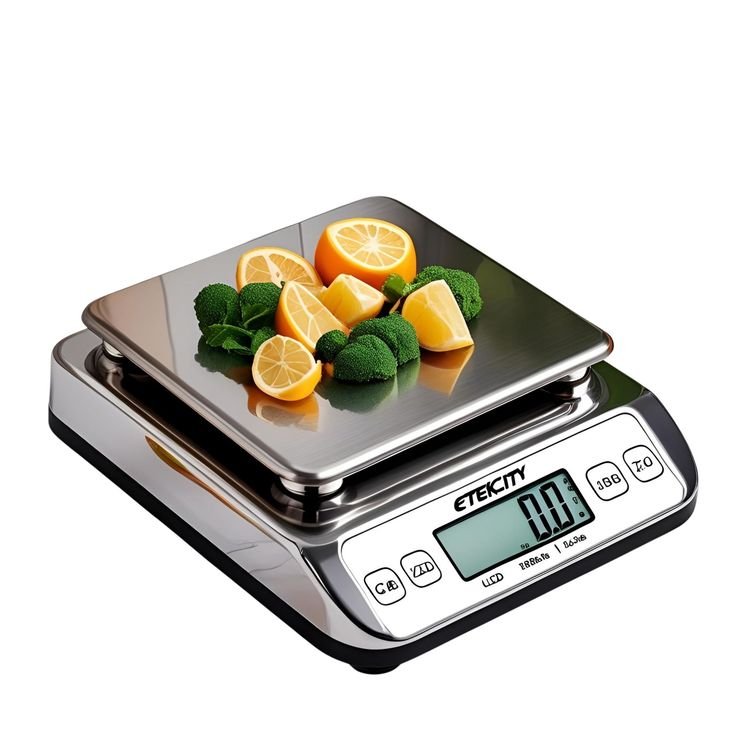
Digital kitchen scales have become an essential tool in today’s kitchens, allowing both amateur and professional cooks to achieve accurate measurements and consistent results. This article delves into how digital scales revolutionize food preparation, the technology behind them, key features to consider, and tips for choosing the perfect scale for your culinary needs.
Table of Contents
The Evolution of Weighing Scales
The history of weighing technology is long and fascinating, and it naturally leads to the modern Digital Kitchen Scales we rely on today. In ancient times, early balance scales were simple yet effective tools that allowed people to compare objects using standardized stones or metal weights. These early devices, found in Egyptian tombs and Sumerian markets, depended on a central fulcrum to achieve accurate measurements. Their precision was vital for fair trade, early cooking practices, and even medicinal preparation.
As civilization progressed, spring scales emerged in the 18th and 19th centuries and marked a major advancement in measuring tools. Unlike balance scales that compared two masses, spring scales measured gravitational force by compressing or stretching a spring. This movement translated into a readable weight through calibrated dials. Their portability and convenience quickly made them popular in homes, markets, and especially in baking, where accuracy is essential. These improvements opened the door to more reliable recipes and consistent culinary results.
Precision continued to be a priority, leading to constant innovation throughout the industrial era. Standardized measurements became essential for global trade and food safety. Even with these improvements, analog scales still faced limitations such as friction, wear, and inconsistent accuracy.
This push for better performance paved the way for electronic measuring tools. Modern Digital Kitchen Scales are the result of centuries of innovation, combining microelectronics and sensor technology to deliver unmatched accuracy, speed, and user-friendly operation. Today, Digital Kitchen Scales are considered indispensable by both home cooks and professional chefs seeking precision and reliability in every recipe.
How Digital Kitchen Scales Work
Digital Kitchen Scales use advanced engineering and modern electronics to deliver highly precise measurements, making them essential for accurate cooking and baking. At the center of every digital scale is the load cell, a sensitive metal sensor—usually aluminum or stainless steel—that slightly bends when weight is applied.
This tiny deformation is detected by strain gauges, which are ultra-thin resistors attached to the load cell. As the load changes, the electrical resistance of the strain gauges shifts. Digital Kitchen Scales convert these microscopic changes into readable information.
Once an ingredient is placed on the platform, the load cell sends an analog signal to an internal analog-to-digital converter. This converter transforms the voltage changes into clear digital data. The scale’s microprocessor then calculates the exact weight and displays it instantly on the LCD or LED screen, often with precision down to 0.1 grams.
Unlike mechanical or spring-based devices, Digital Kitchen Scales are not affected by friction, parallax errors, or mechanical wear. This makes them far more reliable for everyday use in both home and professional kitchens.
Modern Digital Kitchen Scales also include helpful features such as automatic taring, overload protection, and unit conversion. These smart technologies ensure long-term accuracy, minimal calibration drift, and a smoother cooking workflow. Together, these advancements create a superior weighing experience compared to traditional analog scales, allowing cooks and bakers to achieve consistent and professional results.
Benefits of Using Digital Kitchen Scales in the Kitchen
Digital Kitchen Scales have revolutionized how home cooks and professional chefs measure ingredients, bringing a level of precision and control that traditional tools simply cannot match. One of the biggest benefits is accuracy. Digital Kitchen Scales can measure down to fractions of a gram or ounce, which is crucial for tasks like baking bread where even small deviations can dramatically affect the final result.
Switching between measurement units—grams, ounces, pounds, or milliliters—is effortless with Digital Kitchen Scales. This flexibility is especially useful when following international recipes or adapting diverse cooking styles. With just one button, you eliminate manual conversions and reduce costly mistakes.
Daily meal preparation becomes more efficient thanks to the tare function. By using Digital Kitchen Scales, you can weigh ingredients directly in mixing bowls or pots, minimizing clutter, reducing dirty dishes, and speeding up both cooking and cleanup. For those following strict diets or managing macros, these scales provide precise portion control, helping maintain consistent calorie intake.
Another key advantage is waste reduction. Digital Kitchen Scales allow you to measure exactly what you need—nothing more. This is especially valuable for expensive ingredients or eco-friendly kitchens aiming to minimize excess. Whether you’re weighing flour for baking, cacao for desserts, or coffee grounds for a perfect pour-over, the precision of digital scales enhances both consistency and flavor.
From portioning dough and dividing meal prep to perfecting craft beverages, Digital Kitchen Scales elevate efficiency, reduce guesswork, and bring a professional touch to every cooking routine.
Key Features to Look for When Buying a Digital Kitchen Scale
When choosing a digital kitchen scale, several key features play a crucial role in how effectively the scale meets your culinary needs. The maximum capacity of a scale determines the heaviest amount it can measure accurately. For home cooks primarily measuring smaller quantities for baking or portioning, a 5- to 11-pound (2 to 5 kg) capacity is often sufficient. Professional kitchens, however, frequently require a higher maximum capacity to accommodate bulk ingredients.
Precision is the scale’s ability to read small weight increments. Precision down to 1 gram or 0.05 ounces is generally adequate for most cooking, but certain applications like molecular gastronomy, baking with spices, or coffee brewing may require even finer readings (0.1g). Consider the foods and techniques you most frequently use to determine the best precision level for your needs.
A tare function is indispensable, allowing you to reset the scale to zero after placing a bowl or container on it. This feature streamlines weighing multiple ingredients in the same vessel, enhancing workflow and reducing the number of dishes used.
Variety in units—grams, ounces, pounds, milliliters, and sometimes fluid ounces—adds major convenience for switching between international recipes and specific dietary needs. Unit versatility also matters when measuring both dry and liquid ingredients.
Platform size should match the types of containers or ingredients you regularly use. A larger platform accommodates big mixing bowls and trays, important for bread bakers or catering environments, while a compact platform works better for small kitchens.
Durability is dictated by build quality and materials; stainless steel platforms, for instance, resist staining and are less likely to crack or warp. For busy or commercial kitchens, robust construction is non-negotiable.
Lastly, ease of cleaning—flat, sealed surfaces are preferable to minimize crevices where debris can collect. Removable platforms or covers aid maintenance, ensuring your scale remains hygienic with minimal effort. Selecting a scale with thoughtful features guarantees it fits seamlessly into your cooking routine, whether at home or in a professional setting.
Tips for Getting the Most Out of Your Digital Kitchen Scale
To make the most of your digital kitchen scale, begin by regularly calibrating it to ensure precise measurements. Most modern scales allow user calibration with standard weights—consult your manual for exact steps, and repeat the process if you notice inconsistent readings. Frequent calibration is especially important in professional settings or when accuracy is critical, like baking pastries or measuring coffee beans.
Cleaning your scale after each use preserves its accuracy and reliability. Remove any debris or spills from the weighing platform promptly using a soft, damp cloth, being cautious not to allow moisture into the buttons or display. Avoid abrasive cleaners that can scratch the platform, as well as submerging the scale in water. For challenging substances like sticky syrups or fine powders, place a piece of parchment paper or a lightweight bowl on the scale (using the tare function to zero out the added weight), which also helps prevent residues from clogging sensitive parts.
Safe battery handling directly impacts your scale’s performance and lifespan. Use high-quality batteries recommended by the manufacturer, and replace them when the display dims or becomes erratic. Remove batteries if you plan to store the scale for a long time to prevent leakage or corrosion.
When weighing tricky ingredients, select containers that minimize mess—narrow mugs for liquids to avoid spills, or shallow bowls for powders that can scatter with airflow. Always let the scale settle before reading the measurement; small movements can affect accuracy. For ultra-fine ingredients, avoid measuring near fans or open windows.
Should you encounter issues—such as the scale failing to zero, fluctuating readings, or an unresponsive display—reset the device by removing and reinserting the batteries, and ensure the scale is on a stable, flat surface. Regularly check for firmware updates if your model supports them. With attentive care and smart usage habits, your digital kitchen scale will remain an accurate and dependable kitchen companion.
Conclusions
In conclusion, digital kitchen scales bring precision and efficiency to all types of cooking. Understanding their evolution, technology, advantages, and features ensures you select the right tool for your kitchen. By integrating proper usage habits, you can ensure lasting accuracy and performance, making the digital scale a trusted companion in your culinary journey.
For more tools that improve precision in the kitchen, explore our Kitchen Scales & Measuring Tools category.
[…] picky cooks who love measuring precision or streamlining kitchen routines, an accurate kitchen scale is an ideal companion to your ice cream […]
[…] Extraction Routine: Small machines can be unforgiving. Use a scale (see why in this kitchen scale guide), time your shots, and experiment with grind coarseness and […]