

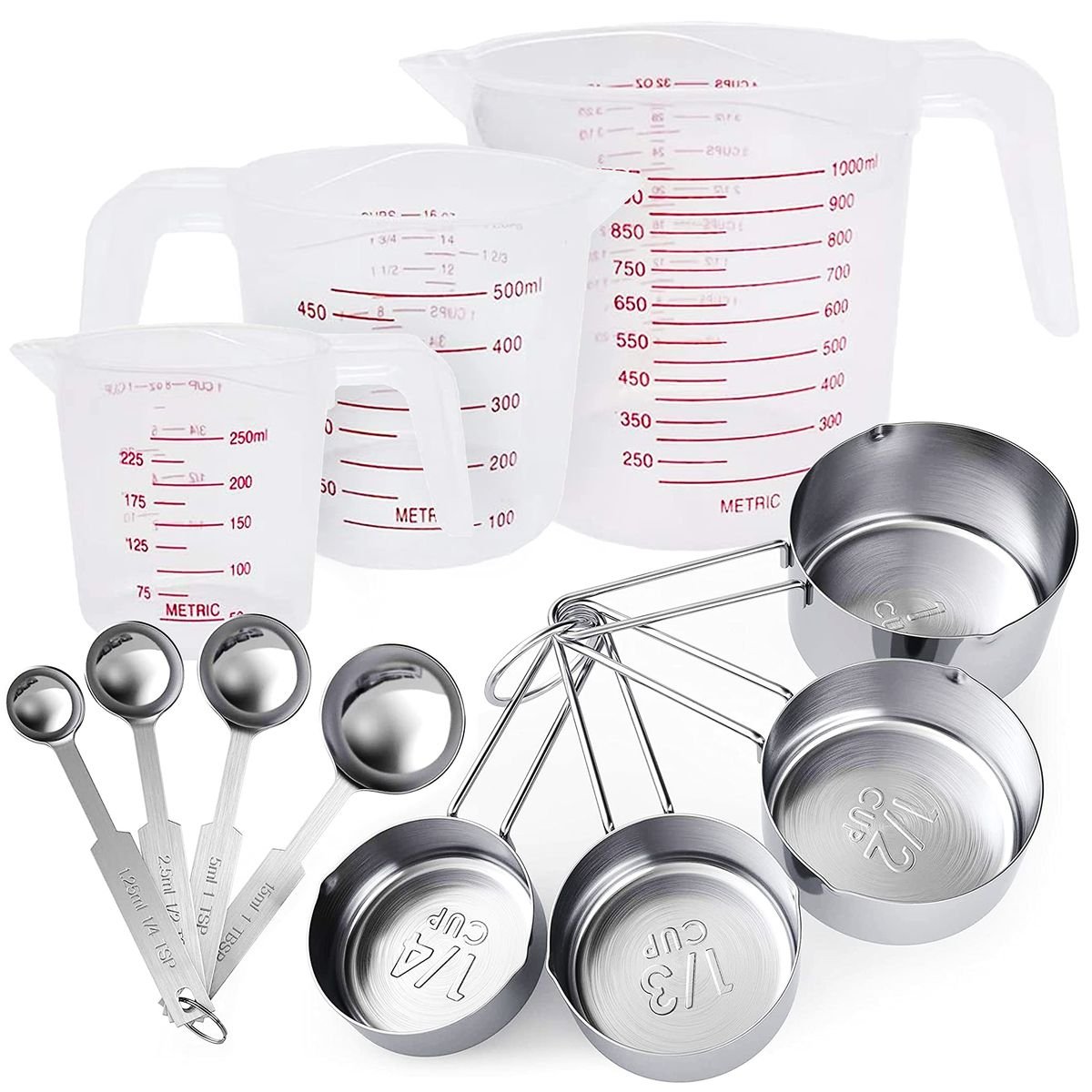
Measuring cups and spoons are foundational tools in every kitchen, ensuring precision in both cooking and baking. Whether working with liquids or dry ingredients, the right measurements can make the difference between culinary success and failure. In this article, we explore everything you need to know about selecting, using, and caring for measuring cups and spoons for perfect results every time.
Table of Contents
Understanding Measuring Cups and Spoons
Measuring cups and spoons are foundational tools in any kitchen, designed specifically for the precise measurement of both dry and liquid ingredients—a practice that’s crucial for reliable outcomes in recipes. When a recipe calls for a cup of flour or a teaspoon of vanilla, the expectation is an exact quantity, not an approximation. This precision is especially vital in baking, where even small deviations can drastically affect texture, flavor, and structure. Measuring cups and spoons translate recipe instructions into consistent, replicable results.
Measuring cups typically come in sets with graduated sizes such as 1 cup, ½ cup, ⅓ cup, and ¼ cup. Measuring spoons usually include 1 tablespoon, 1 teaspoon, ½ teaspoon, and ¼ teaspoon. Understanding measurement units and equivalents is key: 3 teaspoons equal 1 tablespoon, 16 tablespoons equal 1 cup, 2 cups make a pint, and so forth. Familiarity with these conversions ensures flexibility and accuracy when adjusting recipes or doubling batches.
These tools are manufactured from materials like plastic, stainless steel, and glass. Plastic is lightweight and budget-friendly, but may stain or absorb odors. Stainless steel is favored for its durability and resistance to rust, while glass measuring cups allows for easy viewing of liquid levels and is often microwave safe. Each material has unique benefits; selecting the right kind depends on your kitchen needs and preferences.
While both cups and spoons share the role of dividing ingredients into proper ratios, their design and intended usage differ depending on what you’re measuring—be it dry goods or liquids. Their form, features, and how to best use them will be discussed further, highlighting why accuracy is maintained through the appropriate use of each type.
Key Differences Between Dry and Liquid Measuring Tools
A common mistake in cooking and baking is using dry and liquid measuring tools interchangeably. Each type is designed for a specific purpose, and choosing the right one is essential for accuracy.
Liquid measuring cups have transparent sides, clear measurement markings, and a pour spout. They allow you to fill liquids to an exact line without spilling. For the most precise reading, always check the measurement at eye level to avoid parallax errors.
Dry measuring cups, on the other hand, are made to be filled completely and leveled off with a straight edge. Their flat rims help you sweep away excess flour or sugar to get an exact amount. Using a liquid cup for dry ingredients can cause overpacking, while using a dry cup for liquids can lead to spills and under-measuring.
Measuring spoons work for both dry and liquid ingredients but must always be filled to the top, then leveled if needed.
Using the correct tool for each ingredient—liquid cups for liquids and dry cups for solids—ensures consistent, reliable results. Even small measurement errors can change the texture or structure of a recipe, so proper technique is key to precision in every dish.
International Measurement Standards and Kitchen Conversions
Understanding how measuring cups and spoons are standardized around the world is crucial for cooks who love trying international recipes. While U.S. measuring cups are ubiquitous—where 1 cup equals 240 milliliters (ml)—this isn’t the universal rule. In Europe, the “cup” isn’t a common kitchen measure; instead, recipes rely on weight (grams) and milliliters. When European recipes do mention cups, it usually refers to a metric cup of 250 ml. Australia uses a slightly larger 250 ml cup as its standard, and Japanese recipes typically reference a “cup” of 200 ml. Even standard tablespoons can vary: a U.S. tablespoon is 14.8 ml, an Australian tablespoon is 20 ml, and a UK tablespoon is 15 ml.
Such discrepancies make following global recipes challenging if you’re unaware of these regional differences. To complicate matters, international recipes may switch between metric and imperial (U.S. customary) systems. When converting between systems, remember that 1 ounce is about 28 grams, and 1 fluid ounce (U.S.) is roughly 30 milliliters. For teaspoons and tablespoons, 1 tablespoon equals 3 teaspoons in all standards, but the actual size of a tablespoon may differ. Always check for recipe clues: if a “cup” yields different results, the recipe may use another country’s standard.
For best results, invest in both metric and U.S. standard measuring sets if you frequently explore world cuisines. Keep a basic conversion chart handy or use digital scales and measuring beakers with both ml and fluid ounce markings. When in doubt, seek reputable conversion websites or apps, and double-check the country of origin for recipes to anticipate which system is in use. Mastering these nuances ensures your international dishes turn out as intended, no matter which kitchen you’re cooking in.
How to Choose the Best Measuring Cups and Spoons for Your Kitchen
Choosing the right measuring cups and spoons for your kitchen goes beyond simply selecting the first set you see on the shelf. When making your choice, *durability* is a top priority—stainless steel and high-quality plastics tend to outlast flimsy aluminum or inexpensive plastics that can warp. Stainless steel resists rust and warping, while heavy-duty plastics are lightweight and often more affordable. For frequent bakers, glass measuring cups provide the added benefit of being microwave safe, ideal for melting butter or warming milk directly.
*Ease of cleaning* is another major factor. Sets with smooth edges and without nooks where ingredients can collect are far easier to wash, whether by hand or in the dishwasher. Dishwasher safe labels are highly recommended; this ensures both convenience and sanitation. Always check that colored or painted-on measurement markings are resistant to fading after repeated washing, as *legibility* is crucial for accuracy. Deeply etched or embossed measurements won’t wear off over time, providing long-term reliability.
Consider *nesting and storage*: Nested sets save valuable drawer space and keep all pieces organized—look for those with secure interlocking or magnetic features. However, nested sets can sometimes make it harder to grab a single size if you’re working quickly. Individual cups and spoons are easier to handle and wash, but take up more space and are prone to being misplaced.
Select sets tailored to your needs: For *baking*, a full set with increments for dry and liquid measures is essential, while coffee enthusiasts may prefer specialty scoops designed for coffee grounds. Adjustable measuring spoons save space, but can be trickier to clean thoroughly. Some sets offer metric as well as imperial units, a benefit for tackling global recipes after exploring international standards in the previous chapter. Matching your measuring tools to your kitchen activities ensures both precision and efficiency.
Proper Usage and Maintenance Tips
When measuring dry ingredients such as flour, sugar, or cocoa powder, begin by lightly spooning the ingredient into the measuring cup rather than scooping directly from the bag or container. This prevents packing, which can lead to over-measuring. Once the cup is overflowing, use a flat-edged tool such as the back of a knife or a straight-edged spatula to level off the contents, ensuring a precise measurement. For ingredients like brown sugar that are meant to be packed, press the sugar into the cup until it holds its shape when turned out. To measure small quantities of dry ingredients, fill the measuring spoon to overflowing and level it with a straight edge.
For liquid ingredients, opt for a clear liquid measuring cup with a spout. Place the cup on a flat, level surface and pour in the liquid. Bend down so your eye is level with the measurement marks to get an accurate reading. For small amounts, use sturdy measuring spoons, filling them to the brim, and move cautiously to avoid spillage.
After each use, wash your measuring tools thoroughly in warm soapy water to remove residue, especially sticky or oily substances. Dry them completely before storing to avoid rust or mold. Stainless steel cups and spoons are typically dishwasher safe, but plastic pieces may warp, so check manufacturer guidelines. When storing, nest or hang your measuring tools to keep them organized and accessible.
Periodically inspect your cups and spoons for faded measurement markings, warping, or dents—especially on plastic or metal pieces. Replace any that have become difficult to read or are misshapen, as accuracy is crucial for successful cooking and baking. Well-maintained measuring tools ensure consistent results at every pour, scoop, and spoonful.
Conclusions
Measuring cups and spoons are indispensable for any kitchen, underpinning the art and science of reliable home cooking and baking. By understanding how to select, use, and take care of these tools, you ensure precision and consistency in every recipe. Investing in quality tools and learning proper techniques will elevate your culinary results and help you tackle a world of recipes with confidence.
For even more ways to upgrade your kitchen workflow, explore our Kitchen Tools category to find additional essentials that enhance precision , speed , and creativity .
[…] fully chilled. Some recipes require whisking or heating before you place them in the machine. Use measuring cups and spoons for accurate […]
[…] Organization Tools for a Clean & Efficient Cooking Space. And for precise baking or mix-ins, Measuring Cups and Spoons: A Must-Have Essential can help ensure consistent […]
[…] more kitchen tool upgrades, review our Measuring Cups and Spoons guide or see zero-clutter tips in our Magnetic Knife Holder […]
[…] To supplement with better kitchen tools for prepping your bases and mix-ins, see guides like The Ultimate Guide to Mortar and Pestle Sets or master portioning with Measuring Cups and Spoons. […]