

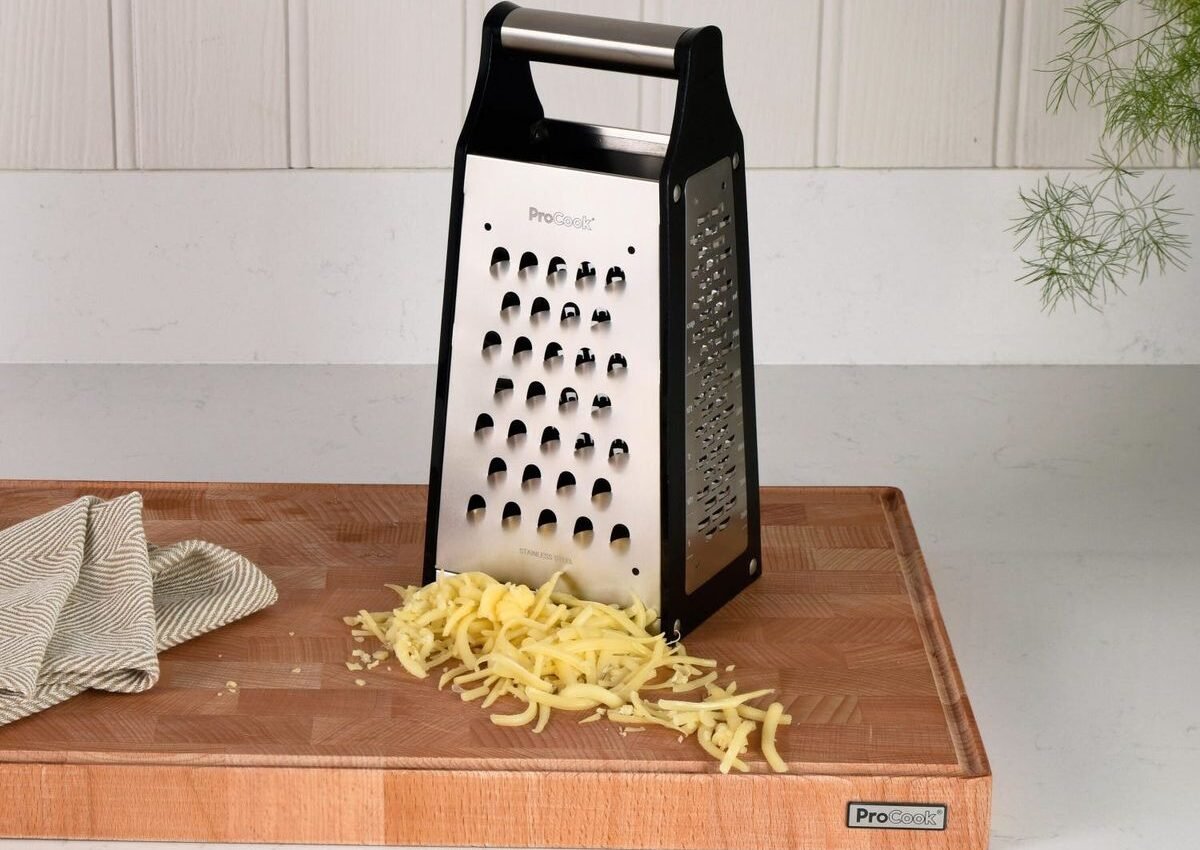
Cheese graters, especially those made from stainless steel, have become indispensable in modern kitchens. Their versatility, durability, and ease of cleaning make them not only ideal for grating cheese but also for preparing a wide variety of ingredients. In this article, discover why stainless steel cheese graters are a must-have, how to select the best one, and tips for long-term maintenance.
Table of Contents
The Evolution of the Cheese Grater
The history of the stainless steel cheese grater is rooted in centuries of culinary innovation, beginning with early civilizations that sought practical tools to process hard cheeses and other firm foods. The earliest graters were made from bronze or tin, with sharp-edged holes manually punched into thin sheets of metal. While functional, these early designs were limited by the materials available at the time—bronze dulled quickly, and iron was highly prone to rust, making maintenance difficult and sometimes compromising food safety.
As metalworking techniques advanced, cheese grater designs evolved alongside improvements in metallurgy. By the 16th and 17th centuries, iron and pewter graters became more common across Europe. These versions offered improved strength but still required careful drying and frequent upkeep to prevent corrosion and unwanted metallic flavors from transferring to food. The Industrial Revolution marked a significant turning point, introducing steel graters with more uniform cutting surfaces and greater efficiency. However, early steel models still demanded oiling and constant care to avoid rust.
The true transformation occurred in the early 20th century with the introduction of stainless steel. The development of chromium-infused steel led to the modern stainless steel cheese grater, offering exceptional resistance to rust, tarnish, and corrosion. This breakthrough allowed manufacturers to produce sharper, more precise perforations while maintaining high hygiene standards. Its non-reactive surface ensured that flavors remained pure, even after repeated washing, quickly making stainless steel the preferred material for cheese graters in both home and professional kitchens.
Stainless steel set a new benchmark. Its robustness permitted the creation of diverse grater shapes and sizes, from microplanes to classic box graters, enhancing both functionality and safety. As a result, stainless steel transformed the cheese grater into an indispensable kitchen essential, valued for its improved hygiene, enduring performance, and adaptability across home and professional kitchens alike.
Why Stainless Steel Stands Out
The popularity of a stainless steel cheese grater comes from the material’s unique balance of strength, hygiene, and long-term reliability. Designed to meet the demands of both everyday home cooking and professional kitchens, stainless steel performs exceptionally well in environments where moisture, fats, and frequent washing are unavoidable. A key advantage is its outstanding resistance to corrosion. Cheese residue often leaves behind oils and moisture, but the chromium content in stainless steel forms a protective layer that shields the grater from rust, acids, and salt exposure—conditions that quickly degrade lower-quality metals or plastic alternatives.
From a performance standpoint, a stainless steel cheese grater maintains sharp cutting edges far longer than tools made from aluminum or plastic. This lasting sharpness allows for smooth, consistent grating with minimal effort, whether working with firm aged cheeses or denser ingredients. The material’s tensile strength also prevents bending or warping under pressure, ensuring precise results and reliable handling over time.
Hygiene is another reason many cooks prefer a stainless steel cheese grater. Its non-porous surface resists absorbing oils, odors, and food particles, making it easier to clean and sanitize. Most models are dishwasher safe, aligning well with modern food safety standards in both home and commercial kitchens.
While stainless steel graters may require a slightly higher initial investment, their durability offers excellent long-term value. They resist discoloration, preserve ingredient flavor purity, and withstand repeated use without compromising performance. These qualities firmly establish stainless steel as the gold standard for cheese graters and many other essential kitchen tools.
Types and Uses of Stainless Steel Cheese Graters
Stainless steel cheese graters come in various shapes and forms, each designed to handle different kitchen tasks with precision and efficiency. The classic box grater is perhaps the most versatile and ubiquitous model, featuring four sides with different grating surfaces—ranging from coarse and medium shreds to fine zesting surfaces and slicers. This design makes the box grater a multi-purpose tool that not only shreds hard and soft cheeses but also grates vegetables like carrots, potatoes, and zucchinis, zests citrus, and even shreds chocolate for desserts. The hefty structure offers stability, letting you grate directly over a bowl or cutting board with minimal mess.
Paddle, or flat graters, are compact and easy to maneuver, ideal for quick grating over dishes or when space is limited. They’re excellent for grating cheese straight onto pasta but can also handle garlic, fresh ginger, or nutmeg, offering direct control over the amount.
Rotary graters, on the other hand, are designed with a cylindrical blade inside a housing, operated by a hand crank. This style is particularly effective for hard cheeses such as Parmesan and Pecorino but also serves well for grinding nuts or chocolate. Their enclosed mechanism helps prevent slipping and ensures child-friendly operation.
Microplane graters have soared in popularity due to their razor-sharp etched blades. Originally intended for woodworking, microplanes excel at producing ultra-fine shreds—perfect for zesting lemons or limes, grating hard cheese over dishes, or turning fresh garlic and ginger into a smooth paste. The fineness of the blade allows for maximum flavor extraction and delicate textures.
Each grater’s pattern and sharpness will significantly impact the texture and mouthfeel of the final ingredient. Coarse holes create hearty ribbons, ideal for melting, while fine surfaces achieve light, fluffy piles—well-suited for enhancing sauces or garnishes. Choosing the right grater type lets you tailor both preparation and presentation for optimal culinary results.
Choosing the Best Stainless Steel Cheese Grater
When selecting the ideal stainless steel cheese grater for your kitchen, a thoughtful approach ensures that it will seamlessly fit your cooking routines and preferences. First, consider the grater style that aligns with your most common culinary tasks. For example, a box grater provides versatility with multiple grating surfaces, while a microplane is perfect for fine zesting or shredding. If you often grate large amounts of cheese or want extra control, a rotary grater may be preferable due to its ergonomic turning motion and safety shield.
Grip design is crucial for comfort and safety. A handle with a non-slip, cushioned grip makes even prolonged grating easier on your hands and wrists, reducing fatigue and minimizing the risk of accidental slips. Likewise, stability is essential, particularly for larger box or flat paddle graters. Look for features such as rubberized or silicone bases that keep the tool steady on cutting boards or countertops, providing a safer and smoother grating experience.
The sharpness of the stainless steel blades is another key factor—razor-sharp teeth not only make grating faster and more efficient but also help retain food texture without excessive crushing. Blade quality also influences durability; finely crafted, hardened stainless steel resists dulling even with frequent use.
Consider size relative to your storage space and meal preparation habits. A compact microplane suits smaller kitchens or quick tasks, while larger box graters serve multi-purpose roles but require more storage.
Ease of cleaning is critical for maintaining hygiene and prolonging the grater’s lifespan. Seek out models with minimal seams and accessible corners, which won’t trap food debris and are easier to rinse or wash.
Finally, match the grater to your culinary needs—those who entertain often might appreciate a stylish, multi-functional box grater, while a keen baker might prioritize a microplane for zesting and spice grating. Ultimately, prioritizing grip, stability, blade sharpness, and easy cleaning will ensure your stainless steel cheese grater becomes an indispensable tool in your kitchen.
Care and Maintenance for Longevity
Caring for your stainless steel cheese grater is crucial not only for hygiene but also for preserving its sharpness and durability over the long term. After each use, it’s best to rinse the grater immediately under warm water. This prevents cheese and other residues from drying and sticking, which could otherwise lead to stubborn buildup. If particles have already hardened, soak the grater in warm, soapy water to soften them before cleaning.
Hand-washing is generally recommended for stainless steel cheese graters, as dishwashers can expose them to high temperatures and harsh detergents that may eventually dull the blades or cause micro-abrasions. Use a soft-bristled brush or an old toothbrush to scrub the grating surfaces, moving in the direction of the blades to prevent accidental cuts. Avoid using steel wool or abrasive pads, as these can scratch the stainless steel, making it more susceptible to corrosion.
To maintain sharpness, handle the grater with care—don’t grate excessively hard substances that can damage the blades. Occasionally inspect for bent or nicked grating edges, and avoid tapping the grater against hard surfaces to dislodge stuck food, as this can warp the metal.
Dry the grater thoroughly with a towel right after washing, as even stainless steel can develop rust spots if moisture lingers, particularly in crevices. For storage, choose a well-ventilated area and, if possible, a protective cover to shield the blades and prevent accidental cuts when reaching into drawers or cabinets.
Safety during cleaning is another key consideration. Always hold the grater by the handle and use caution when scrubbing near sharp edges; consider using cut-resistant gloves if needed. These best practices will help ensure your stainless steel cheese grater remains clean, safe, and exceptionally effective for many years in your kitchen.
Conclusions
Stainless steel cheese graters offer unmatched durability, cleanliness, and efficiency for various kitchen tasks. Understanding their evolution, advantages, types, and maintenance ensures you choose the right tool and keep it performing optimally. By selecting and caring for a quality stainless steel grater, you’ll enhance your meal preparation for years to come.
For more useful kitchen equipment , explore our full collection in the Other Tools category .
[…] Another underestimated pitfall is under-using the appliance. To avoid gathering dust, try new recipes regularly or designate a “family ice cream night.” For further inspiration with custom toppings and perfect textures, see our recommendations for cheese graters and kitchen tools. […]
[…] quartz, and fireclay options are trending for their unique looks and quieter operation. Visit our stainless steel cheese grater guide to learn about the perks of quality metals in kitchen […]
[…] Steel cheese graters for stubborn residues […]
[…] the cloudy, off-flavored ice that can develop if maintenance is ignored—similar to keeping a stainless steel cheese grater or garlic press in top […]
[…] for more tips on kitchen prep and storage? Discover our guides on knife organization, cheese storage, and maximizing counter space with sink […]
[…] for small kitchen equipment recommendations too? See our guide to selecting the right stainless steel cheese grater for busy […]
[…] can appreciate. If you’re a fan of practical kitchen accessories (like mortar and pestle sets or cheese graters), countertop mats belong at the top of your […]
[…] more on selecting and maintaining safe kitchenware, see our Stainless Steel Garlic Press and Stainless Steel Cheese Grater guides for tested, long-lasting […]
[…] with basic tools for prepping ingredients—like a manual citrus juicer for infusions or an efficient cheese grater for mix-ins—quality upgrades can streamline your […]