


Fridge drawer storage isn’t just a trendy kitchen upgrade—it’s a smart way to boost food freshness, accessibility, and organization, whether in a modern apartment or a bustling family home.
Key Takeaways :
- The fridge drawers market is rapidly growing in 2024, driven by demand for compact, energy-efficient, and space-saving appliances.
- Choosing, installing, and using fridge drawers can shake up your kitchen routine—but knowing common pitfalls and practical tips is critical.
- Smart organization, accessory hacks, and clear maintenance strategies will make your fridge drawer last longer and work better.
- What Are Fridge Drawers and Why Use Them?
- How to Choose, Install, and Organize a Fridge Drawer
- Pitfalls, Drawbacks, and Unspoken Realities
- Conclusion
- FAQ
What Are Fridge Drawers and Why Use Them?
Fridge drawers, also called refrigerator drawers, are compact, slide-out cold storage units that install under counters, in kitchen islands, or as part of custom cabinetry. Unlike traditional upright refrigerators, fridge drawers allow you to access chilled foods, beverages, or snacks at counter height. This setup is increasingly popular in modular kitchen designs and offers both style and practicality.
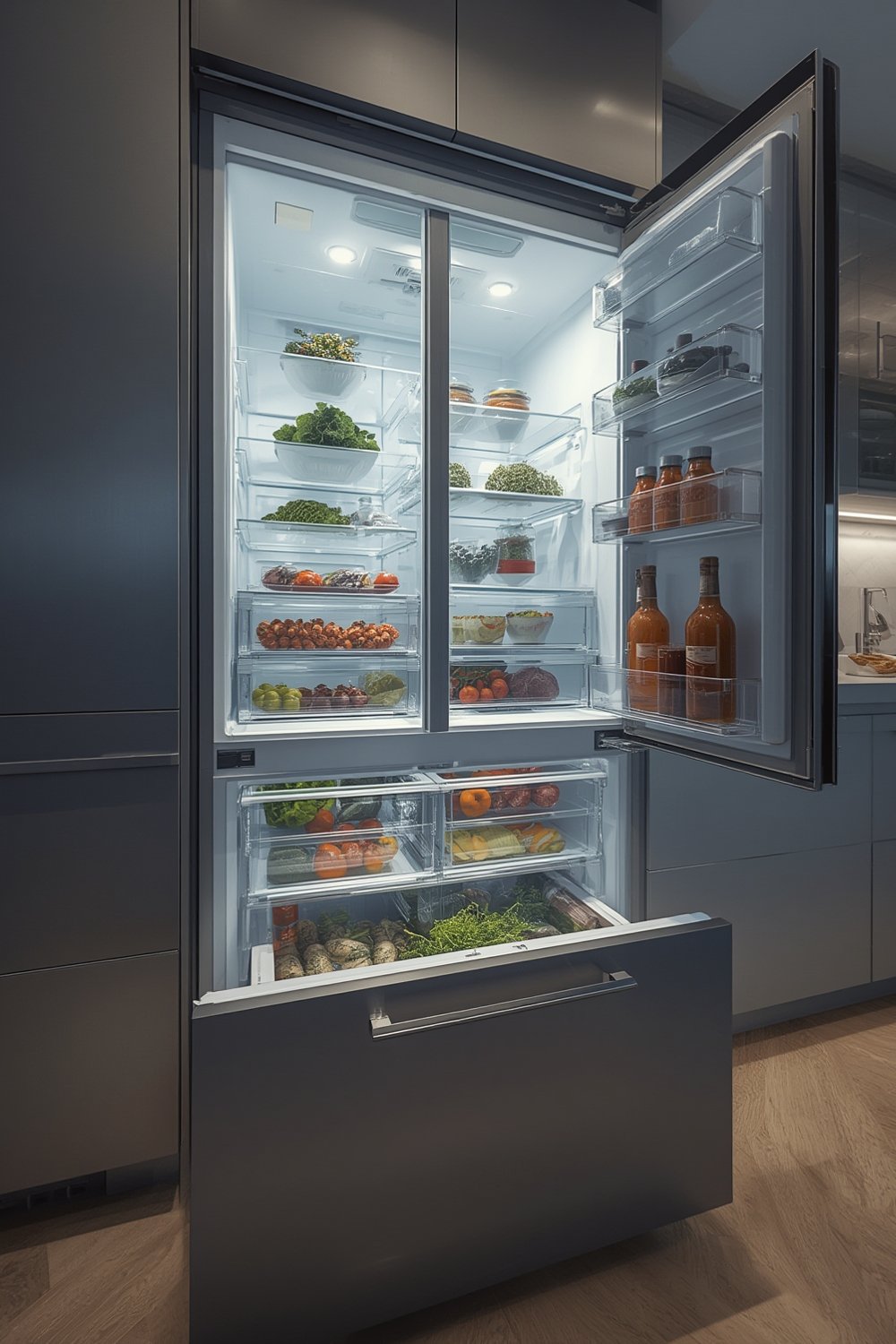
Why are fridge drawers booming in 2024? Market data shows the global fridge drawer sector reached roughly $2.5 billion USD in 2024, with projections climbing toward $4.1 billion by 2031 at 7.2% CAGR (source, source). Factors behind this surge include:
- Growing urban populations looking for space-saving solutions
- Energy cost pressure and a push for more sustainable kitchens
- Functional zoning in modern open-plan homes (e.g., separate beverage and snack storage)
North America and the Asia-Pacific region are seeing the fastest demand rise, pushed by innovation and rising middle-class incomes (source).
Built-in fridge drawers dominate the market, especially in high-spec residential and hospitality remodels.
How to Choose , Install , and Organize a Fridge Drawer :
Getting the best from your fridge drawer takes a clear process—before, during, and after installation.
- Define your usage and must-have features.
- Do you need a beverage cooler, extra snack space, or overflow produce storage?
- Will it be used daily by all family members or for special occasions?
- Are specific energy ratings or noise levels critical for your kitchen?
- Measure and plan the location.
- Check the width, height, depth—including door/drawer clearance.
- Plan for electrical outlets and proper ventilation. Most fridge drawers require front or rear venting—read the manufacturer’s installation manual.
- Built-in versus freestanding: Built-in models integrate into cabinets and require precise cutouts, undercounter models sometimes need no custom cabinetry.
- Purchase and schedule delivery.
- Brand new fridge drawers generally range from $1,000 to $3,000 in 2024, depending on features. Installation may cost extra (often $150–$500), and maintenance is similar to other high-end kitchen appliances.
- Refer to this 2024 refrigerator price roundup for average appliance costs.
- Install and level.
- Follow the manufacturer’s leveling instructions. Neglecting this step can reduce lifespan and cause noisy operation.
- If DIY, always test the door glide with a full load before finalizing. Built-in fridge drawers should align flush with cabinetry for best results.
- Organize for access and efficiency.
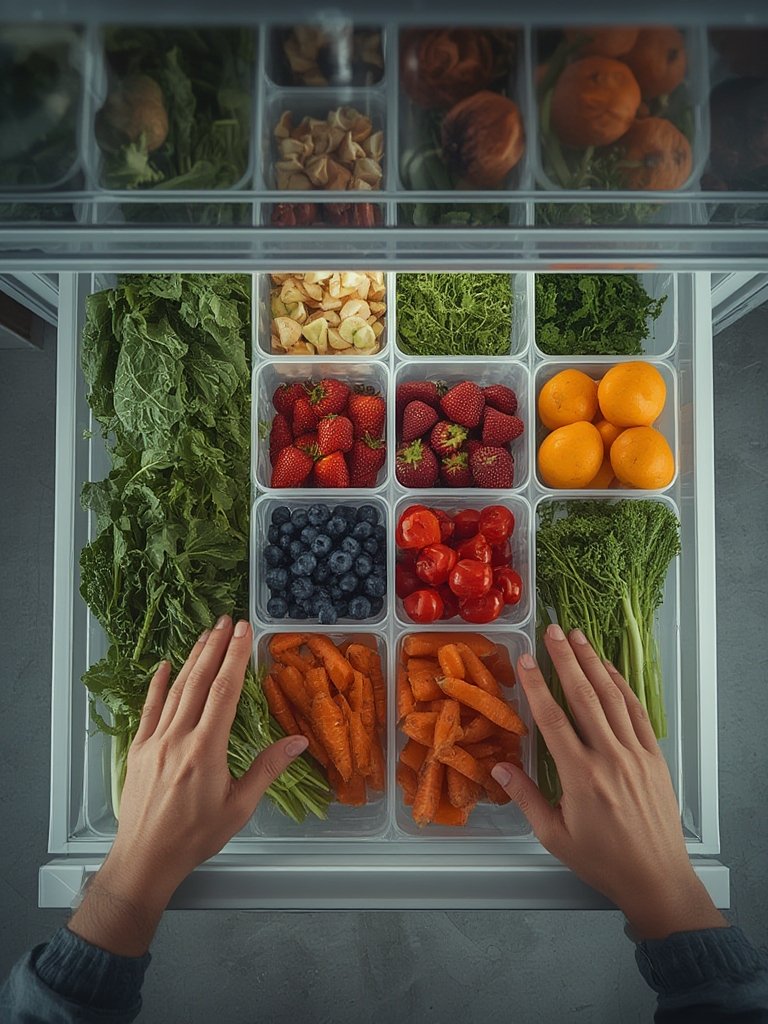
- Add purpose-specific organizers: clear bins, stackable trays, and modular shelves.
- Label sections for produce, beverages, and ready-to-eat snacks. This reduces door-open time and cold air loss.
- Rotate stock frequently—older items go in front so nothing gets buried and forgotten.
- Include open bins or baskets for loose fruits and veggies—see advice in our kitchen organization guide.
- Maintain and clean regularly.
- Wipe interior surfaces weekly to avoid bacteria and odors.
- Check drain holes (if equipped) to prevent blockages.
Looking for more tips on kitchen prep and storage? Discover our guides on knife organization, cheese storage, and maximizing counter space with sink covers.
Pitfalls , Drawbacks , and Unspoken Realities :
Fridge drawers offer clear benefits, but they’re far from perfect. Here’s a practical look at common challenges and how to manage them:
- Space Limitations: Drawers are typically smaller than traditional refrigerators. Overloading can block airflow, reduce cooling, and cause spoilage.
- Energy Use: While modern models are efficient, poorly installed drawers or those left open often can waste energy. Always check ENERGY STAR certifications, if available.
- Installation Headaches: Retrofits can be challenging. Custom cabinetry or electrical work adds cost and risk of improper fit. The average fridge drawer installation is more involved than a freestanding fridge.
- Noise: Cheap or poorly installed models can be noisier than expected, especially in quiet, open kitchens.
- Limited technical specs: Most manufacturers do not publish full details about capacity, decibel ratings, or temperature control precision, so always request this before buying—especially when comparing built-in versus undercounter models. Market-wide, innovations in customizable compartments are improving usability (source).
| Feature | Fridge Drawer | Traditional Fridge |
|---|---|---|
| Accessibility | High—counter height, easy pull-out | Medium—requires bending |
| Storage Capacity | Low/Medium (1.5 – 5 cu. ft.) | High (18 – 28 cu. ft.) |
| Energy Efficiency | Often ENERGY STAR rated, smaller volume reduces loss | Varies, but larger units consume more |
| Installation | Complex, often requires professionals | Simple for freestanding, complex for built-in |
| Cost (Avg. 2024) | $1,000 – $3,000 | $1,057 (avg.) |
| Organization | Customizable, but may require extra accessories | Basic drawers, less modular |
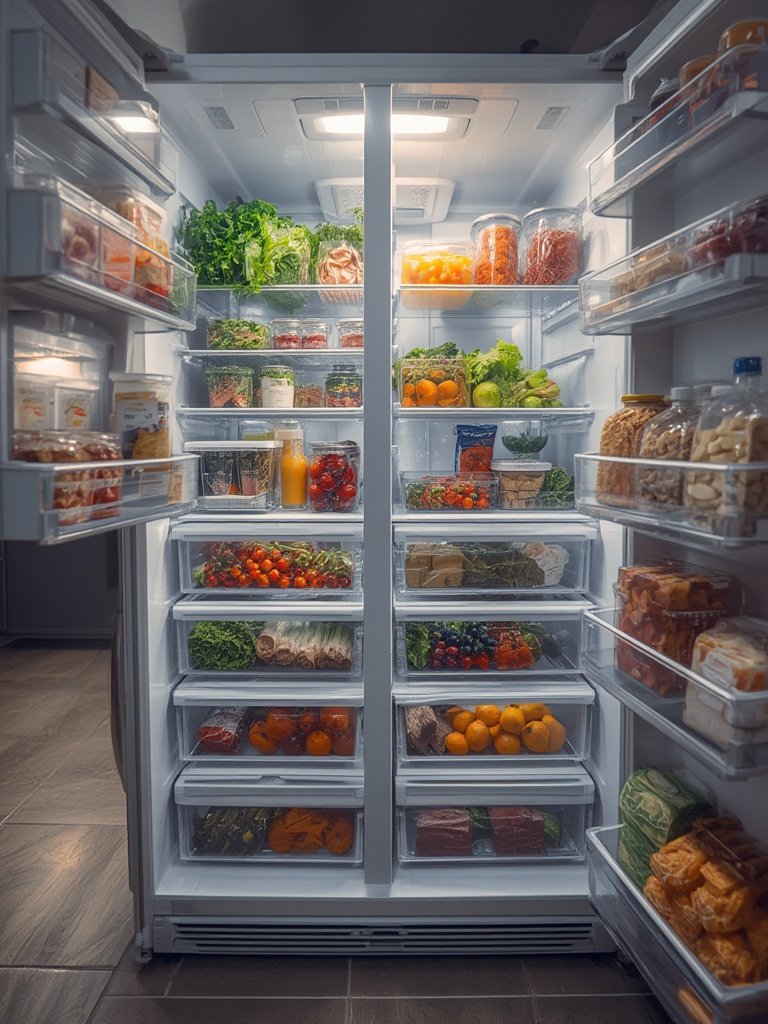
Advanced accessories—like modular drawer dividers and humidity-control bins—are increasingly common but not standard. Explore them in related organization resources such as our salad spinner guide for preserving freshness.
Conclusion :
Fridge drawers are a significant upgrade for kitchens prioritizing accessibility, space-efficiency, and modern organization. If your needs fit their limitations—and you plan installation and organization carefully—you’ll likely boost both convenience and kitchen value. For related tips on optimizing every kitchen tool, check our guides to potato mashers and manual food choppers. Let your next kitchen project include a fridge drawer for smarter storage.
Ready to elevate your kitchen? Start planning your fridge drawer installation today and share your experience with us.
FAQ :
What is the ideal use case for a fridge drawer ?
Fridge drawers excel as beverage coolers, snack stations, or overflow produce storage, especially in kitchens with limited space or zones for children and guests.
How much does a fridge drawer cost in 2024 ?
The average price for a fridge drawer ranges from $1,000 to $3,000, depending on brand, features, and installation complexity. Expect to pay extra for custom fit or upgrades.
Do fridge drawers use more energy than regular fridges ?
Modern fridge drawers are usually energy efficient due to their compact size. However, poor installation or leaving drawers open frequently can increase energy consumption.
Are fridge drawer organizers universal ?
No, sizes and internal layouts vary widely between brands and models. Always measure your drawer before ordering organizers or shelves.
What’s the biggest drawback of fridge drawers ?
Storage capacity is limited compared to upright refrigerators. They can be noisy if not installed correctly or if overloaded. Installation can also be challenging in older kitchens.
[…] a deep dive into food storage tech for every kitchen? Don’t miss our new guide on fridge drawer organization for maximized […]
[…] combining smart appliances for maximum kitchen efficiency, see how organizational updates—like a fridge drawer or a sink cover—support the modern induction […]
[…] 25 lbs) with built-in carrying handles and drain plugs. If you have a tiny kitchen, check out the best ways to maximize counter space […]