

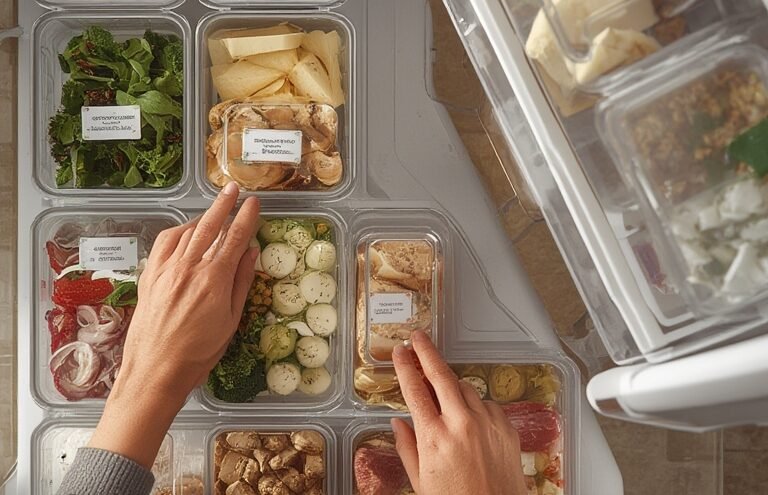
fridge storage containers are more than just a home organization trend—they are a practical tool for anyone looking to waste less food, streamline meal prep, and keep their fridge cleaner. Yet, buying the right containers and using them well isn’t as simple as stacking clear boxes on a shelf.
Key Takeaways :
- Fridge storage containers help extend shelf life and simplify meal prep, but direct, quantified food waste reductions are rarely measured by containers alone.
- Choosing safe, durable, and truly functional containers—using expert-backed strategies—solves the most common user headaches.
- Smart organization (zoning, FIFO, clear labeling, and the right material) brings real savings in both time and food waste.
- What Are Fridge Storage Containers and Why Use Them?
- How to Use Fridge Storage Containers for Maximum Impact
- Advanced Analysis: Issues, Gaps, and Real-World Pitfalls
- Conclusion: Should You Invest in Fridge Storage Containers?
- Frequently Asked Questions
What Are Fridge Storage Containers and Why Use Them ?
Fridge storage containers are reusable boxes, bins, and organizers made specifically for food storage in the refrigerator. Their goal: keep food fresher, cut down on spoilage, speed up meal prep, and make your fridge less of a chaos zone. Markets and researchers agree—they’re now a key battleground in the fight against household food waste, which topped 29% of the US food supply in 2024. But most of their impact comes down to how you use them—not just having them.
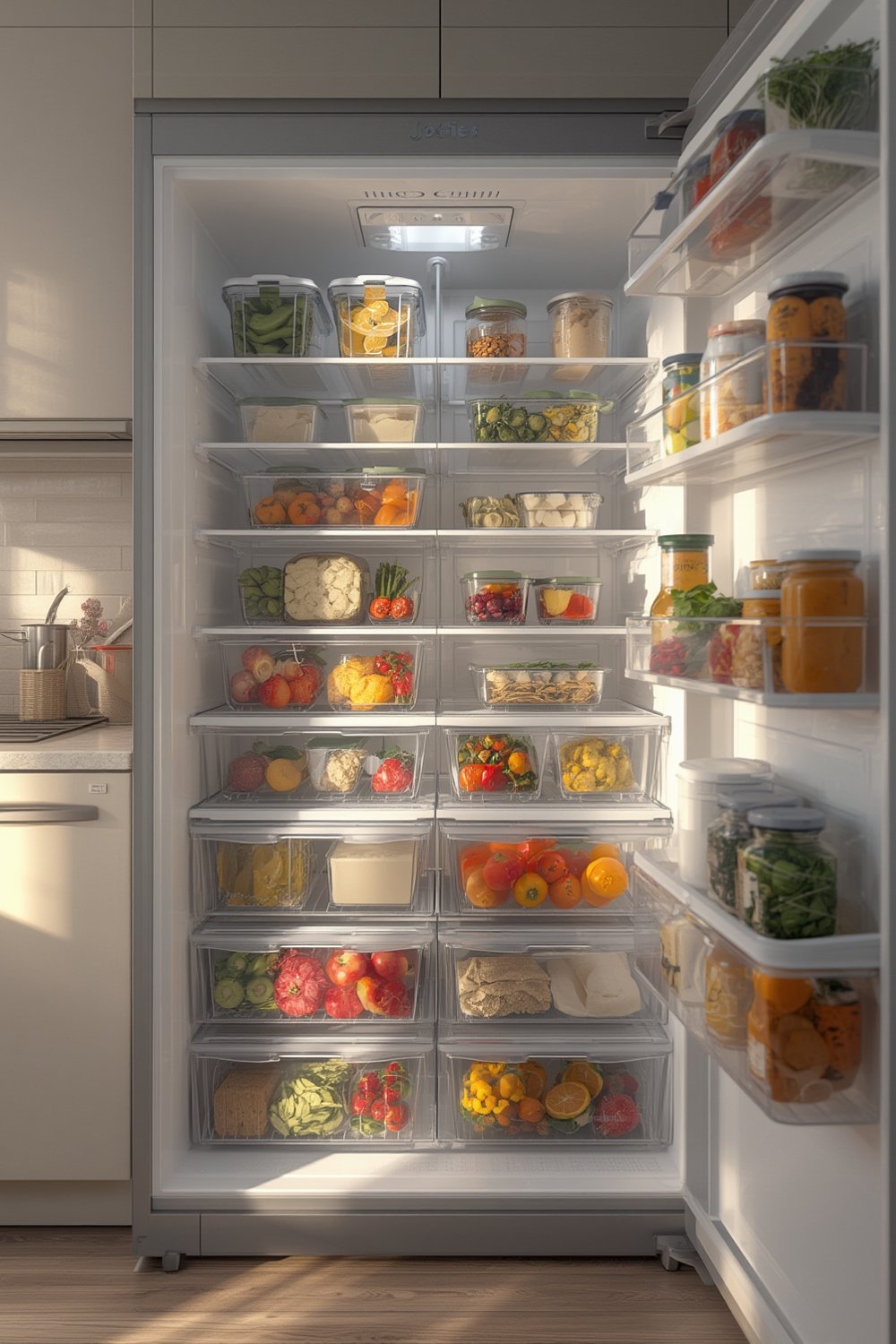
Here’s why they matter:
- Reduced spoilage: Sealed, well-designed bins slow drying, wilting, and cross-contamination.
- Faster meal prep: Prepped ingredients in stackable bins can be seen and grabbed in seconds.
- Less clutter: Bins group foods by type, meal, or urgency—reducing forgotten items hidden at the back.
But beware. Not all solutions are equal (see pitfalls below). Container material, size, and fit impact both food safety and your daily convenience. Smart use unlocks real value—while the wrong setup can become an expensive, unused hassle.
For deeper food-prep tools, see our related guides like the Ultimate Guide to Mortar and Pestle Sets or Manual Food Choppers for hands-on kitchen efficiency.
How to Use Fridge Storage Containers for Maximum Impact ?
- Sort your fridge by zone, not just by shelf. Dedicate bins for raw meats (always bottom shelf), dairy, produce, ready-to-eat items, snacks, and “use first.” This follows food safety agency recommendations on temperature and contamination control.
- Choose the right materials. For most, BPA-free polypropylene (PP), Tritan copolyester, or borosilicate glass is safest. Skip acrylic for high-durability/fridge jobs—it’s rarely dishwasher safe and cracks easily. Look for “dishwasher safe” and “NSF-certified” where hygiene matters most.
- Pick the best fit for your fridge. Measure your shelf depth and clearance before buying. Bins with low handles and flat lids maximize stackability; avoid bins with domed, non-locking lids or overly large handles if your fridge is compact.
- Visibility and labeling. Use clear containers where possible. Add large, water-resistant labels (date and use-by) on front or lid. For deep bins, mark categories in bold, wipeable pen or pre-printed stickers. For more tools, check out our Top 10 Kitchen Organization Tools guide.
- Use FIFO and “Eat Me First” bins. Dedicate one eye-level bin to leftovers and near-expiry produce. Rotate older items forward and newer ones back when unloading groceries—always eat oldest first. Professional kitchens rely on this FIFO (first in, first out) method for a reason.
- Group by meal or use occasion. Assemble “breakfast,” “snack,” and “meal prep” bins for quick grabs. This eases mental load and reduces constantly opening every bin to find one yogurt.
- Adjust for humidity and airflow. If you store produce, use containers with adjustable vents, ridged bottoms, or lift-out baskets. For delicate greens and berries, line bins with reusable dry towels or buy bins with built-in drain trays.
- Standardize container sizes and shapes. Use consistently sized, stackable containers to maximize vertical space and ensure a clean, uniform look. This also makes cleaning and rearranging much easier.
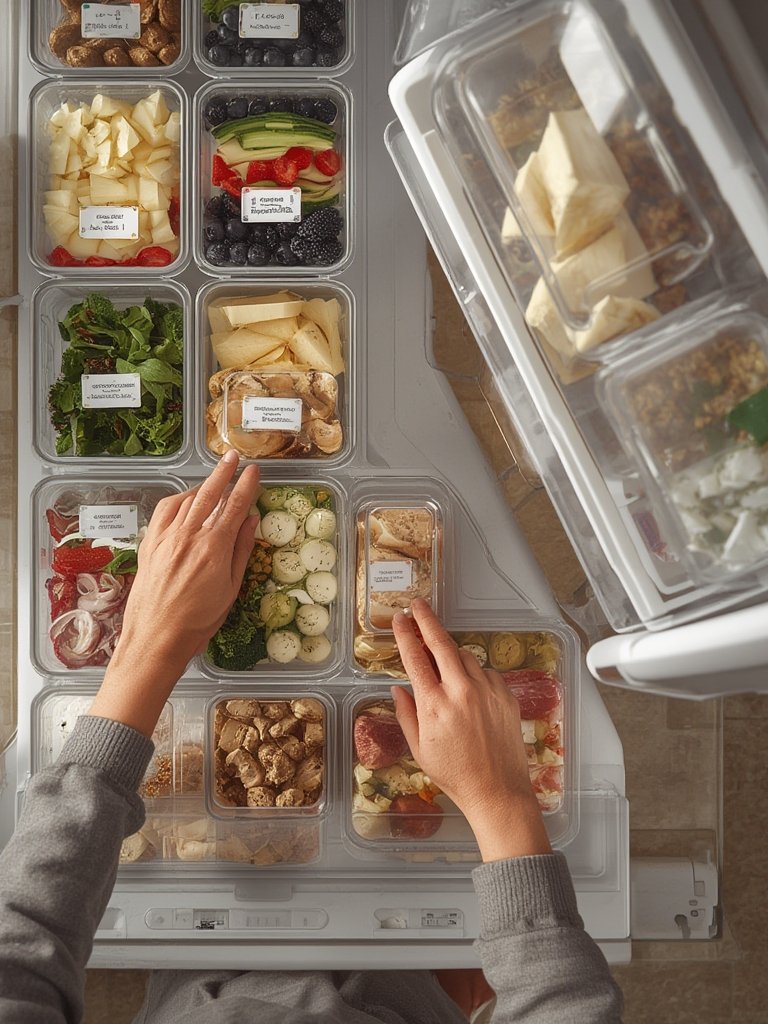
- For accessibility, choose bins with large, non-slip handles and high-contrast labels—especially for users with arthritis, mobility, or vision challenges.
- If budgeting, invest in a few premium produce-keepers for fragile items (berries/herbs) and use affordable, clear PP bins for snacks and condiments.
- To prevent cross-contamination, use color-coded or clearly labeled bins—dedicate red for raw meats, blue for dairy, green for produce, and so on.
For specific food-safe fridge drawer organization, explore our Fridge Drawer Organization Guide. Advanced setups can further optimize freshness in modern quad-door fridges, as shown in our Quad Door Fridge Guide.
For snacks, leftovers, or meal prepping efficiency, these strategies can rival even high-end kitchen tools in the time and money saved every week.
Advanced Analysis : Issues , Gaps , and Real-World Pitfalls .
While fridge storage containers promise easier living, purchasing blindly or over-organizing holds real risks. Based on top consumer complaints and field research from 2024, here are the hard truths and what you can do about them:
| Common Problem | What Causes It | How to Avoid |
|---|---|---|
| Cracking or shattering | Cheap/brittle acrylic; dropped or overfilled bins; extreme cold | Invest in BPA-free PP, Tritan, or glass; check impact ratings; avoid overloading |
| Clouding/warping from dishwasher | Acrylic/non-dishwasher safe plastics; hot cycle | Select true dishwasher-safe bins; always check the label |
| Poor fit—bins too long/wide/high | Not measuring fridge shelves or overlooking handle/lid space | Measure carefully including handles/lids; consider modular, short-length bins for European/counter-depth fridges |
| Stacking instability | Non-flat or domed lids; missing interlocking features | Choose flat-lidded, modular containers; avoid domed tops for stacking zones |
| Condensation/produce spoilage | Non-vented bins or smooth-bottoms trap moisture | Choose produce bins with vents/drain trays; line with towel if needed |
| Access friction/over-organization | Too many bins or subdivided systems; hard to reach rear items | Keep systems simple—group by meal or use; don’t overpartition |
| Label failure/loss of visibility | Poor adhesive labels, fogging, deep bins | Use erasable markers or adhesive for plastics; keep bins shallow where possible |
| Odor/stain transfer | Tomato, curry, or sauces in cheap plastic; porous surfaces | Store strong colors in glass or high-end Tritan; avoid porous bins for sauces |
| Misleading “fridge-safe” marketing | Lack of true airtight/vented seal; unclear claims | Look for evidence (NSF-cert, adjustable vents, actual sealing tech) |
Notably, there’s no robust, peer-reviewed study quantifying food waste reduction from containers alone. Data from the Stockholm Environment Institute and major markets suggests efficacy is highest when fridge organization, planning, and quality containers are combined—but no magic bullet exists.
Serious gaps remain in most guides, such as using containers for precise food safety zoning (separating raw vs ready-to-eat), managing food allergies, or making fridges accessible for aging-in-place households. Most posts focus on pretty photos—not high-level kitchen safety best practices or concrete inventory systems for leftovers and perishables. For accessible organization, check practical tools in our Stainless Steel Colander guide and Rolling Pin guide as well.
Conclusion : Should You Invest in Fridge Storage Containers ?
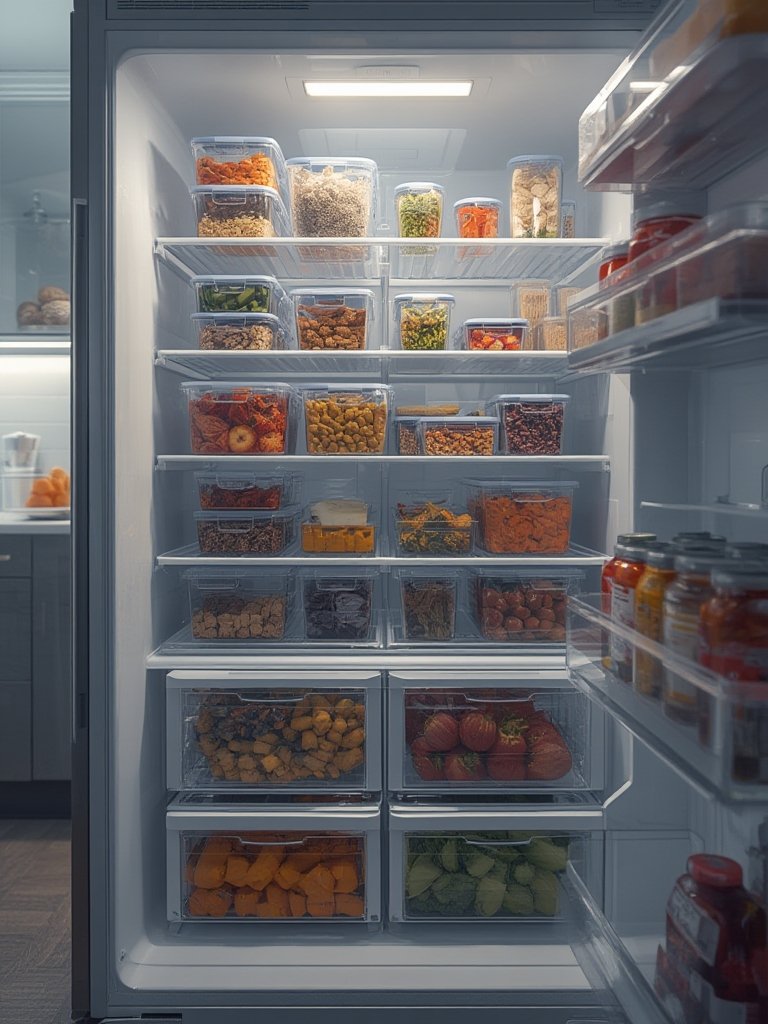
Fridge storage containers can absolutely help you reduce food waste, save time, and ease kitchen frustration—if you invest thoughtfully and use them as part of a broader fridge organization strategy. The best results come from combining high-quality, food-safe bins (BPA-free PP, Tritan, or borosilicate glass) with clear, accessible labeling, smart zoning, and regular rotations.
Remember, the true value isn’t in the number of bins you own but in how they fit your habits and fridge layout. The most common headaches—cracking, clouding, fit issues, over-organization—can all be avoided with careful purchases and a little upfront planning.
Ready to upgrade your fridge organization? Start with one fridge storage containers set that fits your real needs—measured, labeled, and in materials tested for safety and durability. You’ll notice the real savings each week, in both food and frustration.
For more kitchen tool upgrades, review our Measuring Cups and Spoons guide or see zero-clutter tips in our Magnetic Knife Holder review.
FAQ :
Which material is safest and most durable for fridge storage containers ?
BPA-free polypropylene (PP), Tritan copolyester, and borosilicate glass are widely recognized as the safest and most durable choices for fridge storage containers. They are resistant to cracking, typically dishwasher safe, and do not leach BPA or BPS. Always check labels for specific certifications.
Should I choose clear or colored containers ?
Clear containers maximize visibility so you can see what’s inside and avoid forgetting food at the back. However, for allergy management or food safety zoning, color-coded bins can help prevent cross-contamination. Use clear for general visibility, colored for safety organization.
How do I prevent produce from getting slimy or spoiling fast in containers ?
Use bins with adjustable vents, ridged bottoms, or lift-out drain trays to manage humidity. For standard bins, line the bottom with a dry (reusable) paper towel. Store leafy greens and berries with airflow, not sealed tight.
What’s the average price for a good set of fridge storage containers ?
Budget sets start at $20–$35 (6–10 bins), but mid-range branded sets usually cost $35–$70. Premium produce-keepers and borosilicate glass containers can be $20–$40 each. Always check for “dishwasher safe” and BPA-free claims at your chosen price point.
Are there any risks to over-organizing with fridge bins ?
Yes. Too many bins or overly subdivided systems can make accessing food slow and frustrating. Keep systems simple and practical—group by meal or urgency, not by every micro-category. Avoid “out of sight, out of mind” by ensuring all food remains visible and accessible.
—