

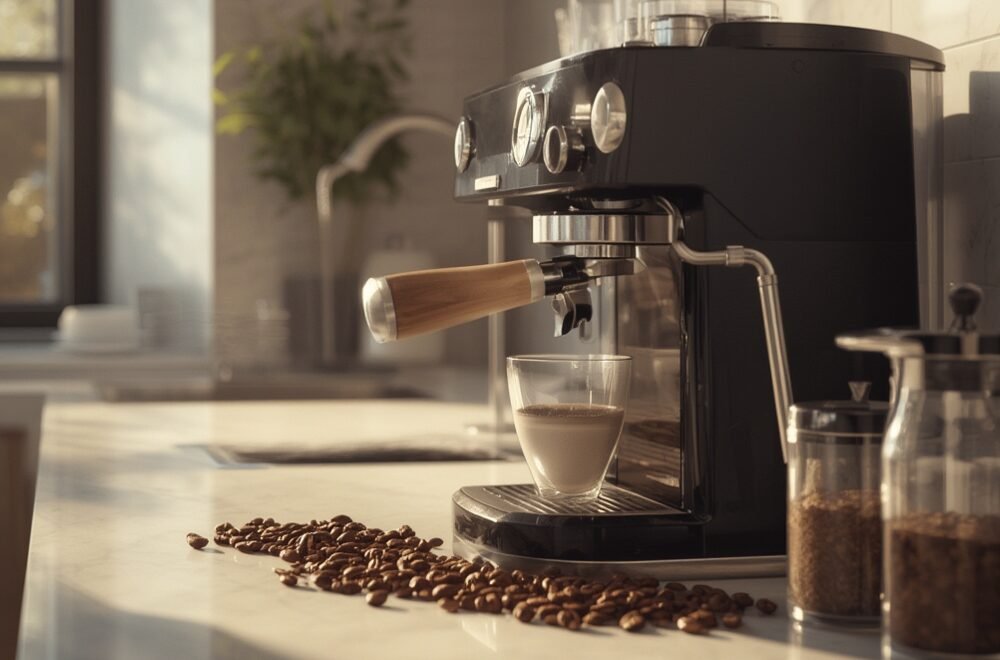
Espresso grinder demand is soaring as more coffee lovers bring the café experience home and professionals seek precision for commercial setups. The right espresso grinder is essential for rich flavor, consistent shots, and unlocking the true potential of your espresso beans.
Key Takeaways :
- The espresso grinder market has reached $1.45 billion globally in 2024, showing rapid growth for both home and commercial use.
- Choosing the right espresso grinder impacts flavor, consistency, and overall coffee experience—commercial and home users have different requirements.
- Understanding common pitfalls and recent tech can save you money and improve your brewing results.
- What Is an Espresso Grinder and Why Does It Matter?
- Step-by-Step Guide: How to Choose and Use an Espresso Grinder
- Advanced Analysis & Common Pitfalls
- Conclusion
- Espresso Grinder FAQ
What Is an Espresso Grinder and Why Does It Matter ?
An espresso grinder is a device that transforms whole espresso beans into grounds fine enough for rich, balanced shots. Unlike standard coffee grinders, espresso grinders focus on precision and control, because even small grind size changes can dramatically alter flavor and extraction.
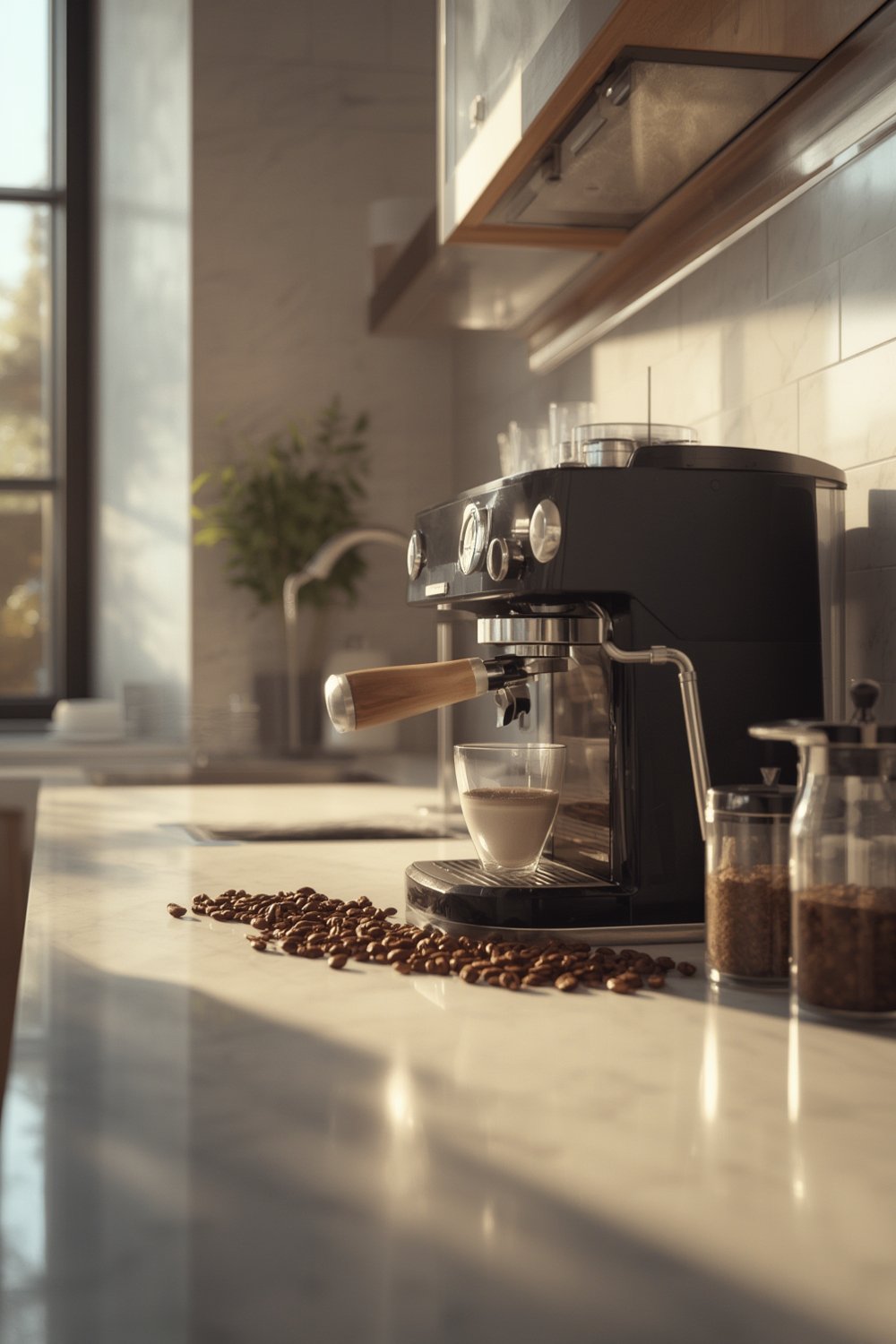
The 2024 premium espresso grinder market topped $1.45 billion. Demand comes from both commercial cafés aiming for consistency and home baristas invested in high-quality gear. The surge in home brewing since the pandemic has driven innovation—think digital dose controls, app integrations, and grinders that keep beans fresh and flavors intact. Technological advances are reshaping even entry-level options.
But why invest in an espresso grinder? Pre-ground coffee loses freshness quickly. Grinding just before brewing keeps oils and aromas locked in. Plus, the ability to adjust grind size means you can fine-tune for every bean, roast, and espresso machine—even if you’re just getting started. Learning to master your espresso grinder is a skill that separates average shots from the truly memorable ones.
If you’re into kitchen tools that genuinely improve your results, check out our guide on manual citrus juicers—another tool where choosing right makes a real difference in flavor and efficiency.
Step-by-Step Guide : How to Choose and Use an Espresso Grinder ?
Navigating the espresso grinder market can be confusing, especially with both high-end commercial and affordable home models on offer. Here’s how to pick the best one for your setup—and use it to its full potential.
- Decide on Burr Type : Espresso grinders use either flat or conical burrs. Flat burrs (like in the Mazzer Major V) deliver consistent particle size and are popular in cafes. Conical burrs (such as in the Mazzer Robur S) are quieter and tend to retain less coffee—ideal for low-volume use.
- Assess for Home or Commercial Use : For home users, consider noise, footprint, ease of cleaning, and whether the grinder offers single-dose capabilities (great for switching between beans). Commercial grinders prioritize speed, output, and durability. Single dose grinders are gaining popularity for home setups due to freshness and ease.
- Look at Adjustment Steps : Micro-adjustable (stepless) grinders let you fine-tune extraction to match your espresso machine and beans. Stepped grinders are simpler but less precise.
- Check for Smart Features : Some modern grinders now offer digital dosing or app connections, reducing waste and saving your favorite profiles. Not all innovations are useful—some can make cleaning or repairs trickier.
- Budget and Value : Entry-level electric espresso grinders for home start around $150-$200, but don’t expect commercial-level precision or longevity at this price. More robust options run $500 and up.
- Grind Fresh and Clean Regularly : Always grind immediately before brewing, and clean the burrs weekly to avoid stale flavors. Investing in a quality digital kitchen scale helps you keep dosing consistent for best results.
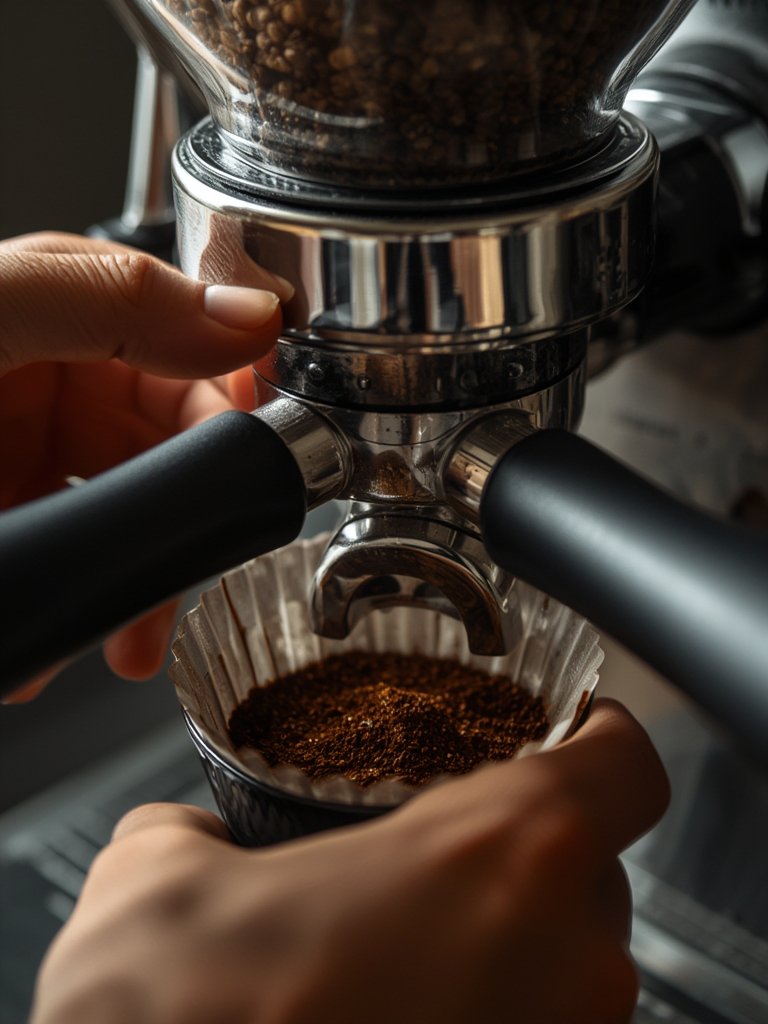
Practical kitchen skills make a huge difference—even with tools as simple as measuring spoons or a potato masher, inaccuracy can ruin results. The same goes for espresso grinders: consistent technique and mindful cleaning matter more than getting swayed by marketing claims.
Advanced Analysis & Common Pitfalls :
The espresso grinder market is full of choices, but not all models are created equal. Here’s a realistic view of key challenges and how to avoid costly mistakes.
- Buying Too Cheap: Budget grinders (under $200) may promise espresso-quality, but often lack low retention and fine adjustment. This leads to clogging, flavor inconsistencies, and early replacement costs.
- Ignoring Burr Maintenance: Dull or dirty burrs are the #1 reason for bitter, uneven espresso. Plan for regular cleaning and burr replacement every 1–2 years, especially if using oily beans or high volumes.
- Overvaluing “Smart” Features: Bluetooth and digital interfaces sound appealing, but always check if tech updates are supported, and whether replacement parts are available if electronics fail.
- Misjudging Burr Type: Flat burrs generally produce a more uniform grind, but require higher cleaning frequency and larger motors (often noisier). Conical burrs excel for home users with quieter operation and less heat buildup—but grind speed may be lower.
- Retention and Workflow: Many grinders hold old grounds internally between uses. For maximum freshness, prioritize low retention or single-dose models, as explored in our single dose grinder guide.
Here’s a direct comparison of commercial options, as found in 2024 research:
| Model | Burr Type & Size | Speed / Output | Key Features |
|---|---|---|---|
| Mazzer Major V | Flat, 83mm | 1600 RPM, 3.5-4g/sec | Large display, 3 dosing presets |
| Mazzer Robur S | Conical, 71mm | 420 RPM, 3.5 sec/18g | Dual-fan cooling, robust for high volume |
| Mahlkonig E80W | Flat, 80mm | Automated dosing adjust | Weight-based grinding, auto-sync |
| Eureka Mignon | Flat, 65mm | 4-5g/sec | 8 grind profiles, compact design |
Another pitfall is underestimating accessory value. For example, a quality egg separator or precise measuring cups might seem trivial—yet they dramatically improve workflow and results for serious cooks.
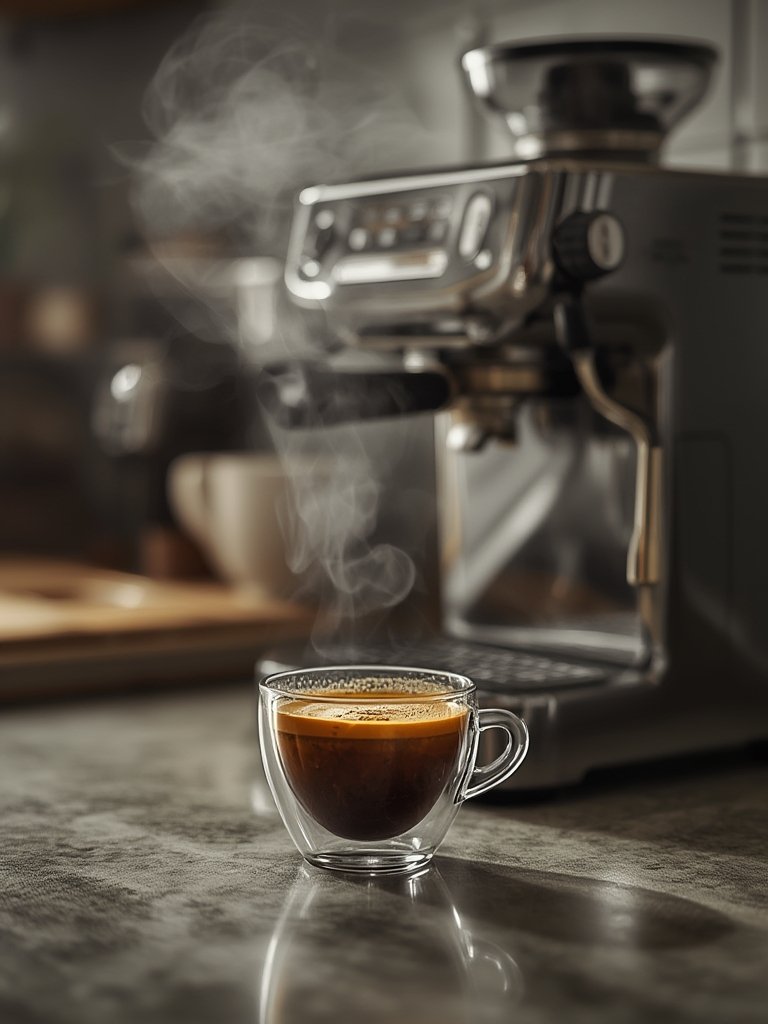
One major information gap remains: User reviews are critical, but many affordable grinders lack long-term reliability data. Look for independent test results—especially direct comparisons of conical vs. flat burrs and retention performance. And don’t forget to check warranty details; commercial grinders often come with longer coverage than budget models.
If you appreciate the tactile feel of manual prep, our mortar and pestle guide covers why material and size choices also matter in the kitchen, much like burr types with grinders.
Conclusion :
Investing in the right espresso grinder pays off with every cup. Whether you’re brewing at home or managing a busy café, understanding burr types, adjustment methods, and maintenance will help you avoid common pitfalls and produce café-style espresso consistently. Don’t let marketing hype steer your choice—align features with your actual needs, and remember: a well-chosen espresso grinder is the foundation of every great shot.
Ready to upgrade your espresso setup? Start by choosing an espresso grinder that matches your habits—and see how much your flavor improves. If you want even deeper technical comparisons, visit our guide on single dose grinders.
Espresso Grinder FAQ :
What’s the difference between conical and flat burr espresso grinders ?
Conical burrs are quieter and build up less heat, making them ideal for most home users. Flat burrs produce more uniform grounds and typically perform better in busy cafés but require more effort to keep clean and can be noisier.
How important is grinder retention for espresso ?
Grinder retention refers to how much coffee remains trapped inside the machine after grinding. Lower retention is preferred as it means fresher grounds and more consistent dosing. Single-dose grinders are best for minimizing retention.
Can I use a budget grinder for espresso ?
Some entry-level grinders under $200 claim they are suitable for espresso, but most struggle with fine grind consistency and may have higher retention. For daily espresso, investing a bit more brings better flavor and reliability.
How often should I clean my espresso grinder ?
Weekly cleaning is recommended for home use. In commercial environments, burrs may need cleaning daily due to higher volumes. This keeps flavors fresh and prevents clogging.
Are “smart” grinders with apps worth it ?
Smart features can save time and help repeat favorite recipes, but consider repairability and long-term support before investing. Not all tech upgrades are necessary for quality espresso.
[…] trying to get ultra-even results, pairing a puck screen with other structured prep tools (like a burr espresso grinder) gives a significant consistency […]