


Drying mat is one kitchen accessory that’s often overlooked yet makes a huge difference in how clean, organized, and hygienic your home feels after every meal. If you’re tired of sopping towels, crowded racks, or musty-smelling counters, a data-driven approach to choosing and caring for a drying mat can dramatically improve your daily routine—and keep those odor and mold issues at bay.
Key Takeaways
- Microfiber, silicone, and stone drying mats each have distinct pros, cons, and best uses—knowing which to choose is key for fast, hygienic drying.
- Common issues include slow drying, mold, odor build-up, and improper care—address them with Machine-wash microfiber mats, antimicrobial treatments, and correct sizing.
- BPA-free, antimicrobial-treated, and machine-washable features drive higher prices but offer easier maintenance, especially for families and baby bottles.
- What Is a Drying Mat and Why Does It Matter?
- How to Use and Care for a Drying Mat: Actionable Steps
- Advanced Analysis: Pitfalls, Comparisons, and Real-World Tips
- Conclusion
- FAQs
What Is a Drying Mat and Why Does It Matter?
A drying mat is a specialized surface designed for air-drying dishes, glasses, utensils, or baby bottles after washing. Instead of risking puddles on your counter or stacking delicate items on racks, a well-chosen drying mat offers absorbency, quick evaporation, non-slip support, and easier hygiene maintenance.
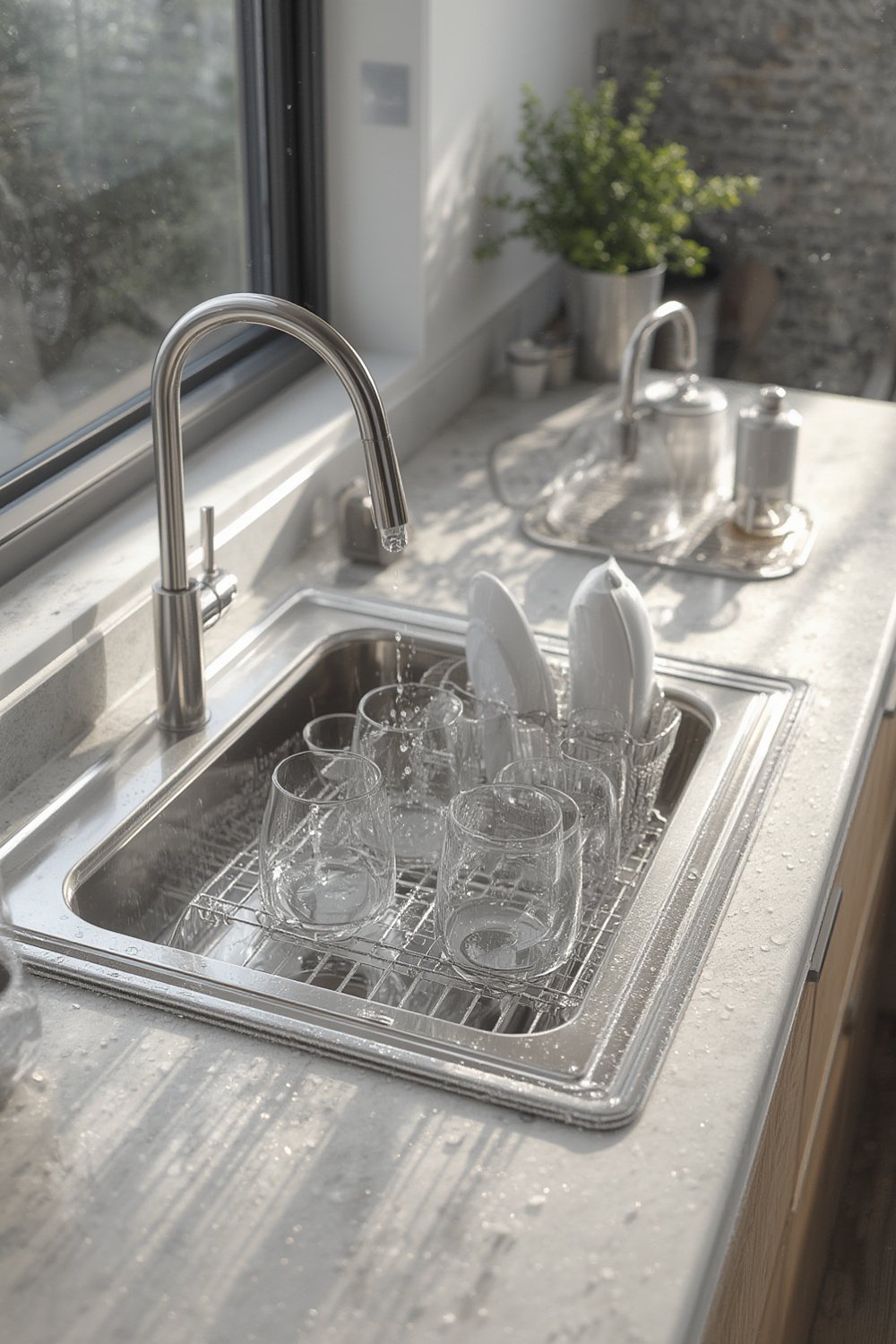
The right drying mat prevents countertop water stains, inhibits mold growth, and keeps even heavy pots or glassware stable as they dry. In 2024, the global market for dish drying mats has surged—with innovative materials like fast-dry stone valued at USD 1.27 billion, countertop microfiber at USD 1.24 billion, and silicone baby gear mats at USD 420 million. With hygiene and organization in mind, families and small-space dwellers alike are looking beyond the standard dish towel.
Many kitchens also integrate drying mats with other organization tools for a safer, cleaner space. For example, pairing a mat with a magnetic knife holder or kitchen organization tools can maximize your setup.
How to Use and Care for a Drying Mat : Actionable Steps
Getting the most out of your drying mat means following a few simple but essential steps to prevent damage, mold, or wasted effort.
- Choose the right size and material:
- Measure your main counter or drying area; aim for a mat at least as wide as your largest pan or several bottles. Large microfiber mats (like Bellemain XXL at 18 x 16 inches) are great for family loads but less ideal for very small kitchens.
- For baby bottles or when quick cleanup is needed, opt for silicone or stone with antimicrobial properties. Bamboo is best as a rack, not a mat, but hybrid microfiber-silicone blends are increasingly popular for their dual-functionality.
- Position mat on a dry, flat surface: Ensure the counter is wiped dry first—trapped water underneath accelerates mold and odor issues, and can even warp countertops.
- Optimize for airflow: Don’t overcrowd the mat. Leave space between items so air can circulate. Bottles should stand upright on thicker or ridged mats for stability. If available, use mats with built-in raised ridges.
- Daily shake and hang-dry: After dishes are put away, shake out the mat and hang it to dry vertically or drape it over a sink edge.
- Clean weekly (or more):
- Machine-wash microfiber mats every few days to prevent odor and mildew. Use a gentle, fragrance-free detergent. Avoid fabric softener, which reduces absorbency.
- Silicone and stone mats can often be placed right in the dishwasher. Consult the manufacturer’s care instructions for any specialty antimicrobial coatings.
- Rotate and replace as needed: If you notice lingering smells or visible staining even after cleaning, it’s time to swap your drying mat out for a fresh one.
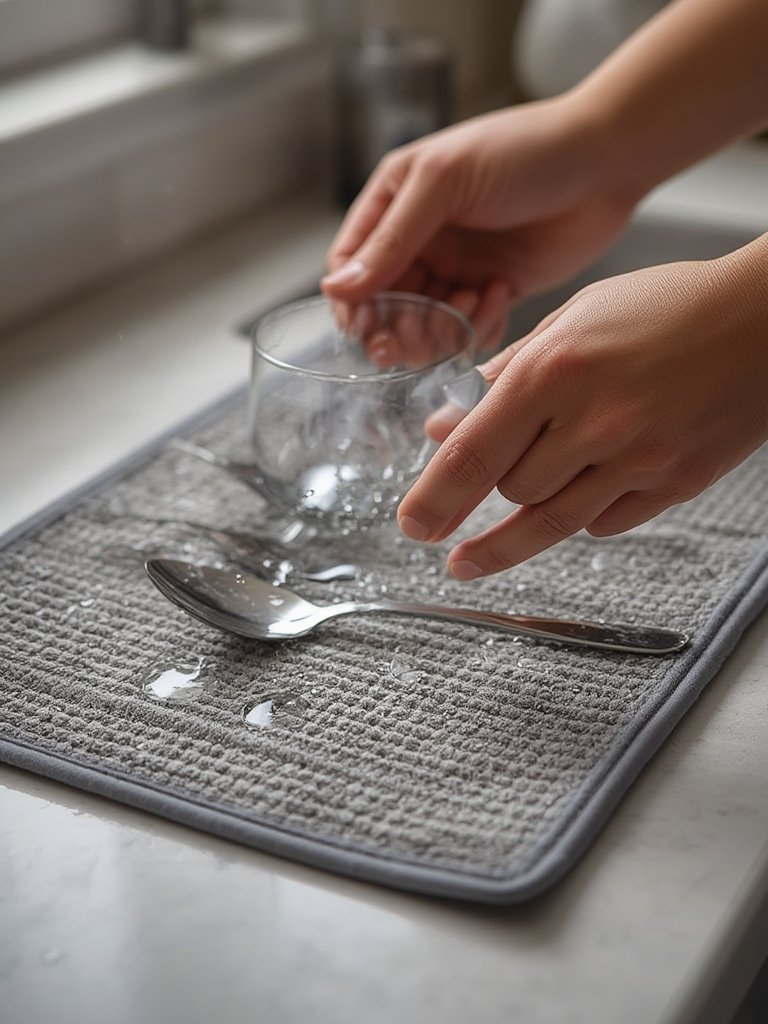
Need space-saving tricks? Try a collapsible mat or combine a drying mat with a sink cover in a small kitchen. For extra heat protection, some mats even double as trivets.
Looking for more tips on cleaning and specialty kitchen maintenance? Check out guides like The Ultimate Guide to Mortar and Pestle Sets or Egg Separator Kitchen for efficient and hygienic home routines.
Advanced Analysis: Pitfalls, Comparisons, and Real-World Tips
It’s easy to assume any drying mat will do the job. In reality, material choice, size, thickness, and care methods all impact performance—especially around odor, mold, and product lifespan.
Common Pitfalls to Avoid
- Mold and Odor Issues: Microfiber mats are highly absorbent but dry slowly, quickly developing musty smells and mold if not washed frequently. Leaving the mat flat and damp is the top mistake.
- Premature Wear: Machine washing boosts cleanliness but gradually breaks down fibers in microfiber. Overly harsh detergents or bleach can weaken the mat even more.
- Slippage and Staining: Silicone mats often lack absorbency, allowing water to pool, which can cause glassware to tip. Stone mats dry fast but are prone to water stains, especially if used in hard water areas.
- Wrong Size for the Job: Choosing a mat that is too small means water will puddle on the counter, especially with family-sized loads or when drying tall bottles. Overly thick mats may wobble under heavy dishes or slow drying time.
- Lack of Certification: For baby gear or food-contact, always check for BPA-free and antimicrobial designations. Skipping this can lead to chemical leaching or bacterial growth.
Material Comparison Table
| Material | Absorbency | Quick-Dry Performance | Hygiene | Longevity |
|---|---|---|---|---|
| Microfiber | High, soft and absorbent (source) | Slow, prone to mold (source) | Mold risk if not dried properly (source) | Durable but needs frequent washing (source) |
| Silicone | Lower (source) | Fast, non-slip, mildew-resistant (source) | Dishwasher-safe, high resistance (source) | Strong, good for frequent use (source) |
| Stone | Moderate | Rapid evaporation (source) | Antimicrobial, bacterial-resistant (source) | High but can stain (source) |
| Bamboo | N/A (rack only) | Good with coatings (source) | Mold/mildew resistant, eco-friendly (source) | Long-lasting, renewable (source) |
When selecting, inspect certifications like BPA-free labeling on silicone (source), and look for antimicrobial treatment especially if using the mat for baby bottles or daily meal-prep.
If cost is a concern, remember: higher prices are justified when features like rapid-dry stone, antimicrobial tech, or dual trivet-mat uses are present (source).
Looking for more smart kitchen upgrades? Check out The Ultimate Guide to Stainless Steel Colander for better dishwashing support, or learn how the Countertop Mat shields surfaces from heat and spills.
Conclusion
The right drying mat can transform your dish-drying routine—cutting cleanup time, reducing mold and odors, and protecting counters. From microfiber for max absorbency, to premium silicone or stone for hygiene and speed, your drying mat should match your kitchen’s workload and needs. Always check certifications, clean mats regularly, and don’t be afraid to invest a little more for long-lasting antimicrobial features.
Looking to get the most hygienic result? Upgrade to a certified, quick-drying drying mat and experience the real difference in your kitchen every day. Start by measuring your space and listing your must-have features—then check trusted resources, compare options, and enjoy cleaner, safer drying!
FAQs
What is the best material for a drying mat?
It depends on your needs: microfiber is highly absorbent for big loads, silicone is fastest to dry and easiest to clean, and stone resists bacteria and dries rapidly. For baby bottles, choose silicone with BPA-free certification.
How often should I clean my drying mat?
Microfiber mats should be machine washed every 3-5 days. Silicone and stone mats can go in the dishwasher whenever odor or residue appears. Always dry thoroughly after each use to prevent mold.
Can drying mats go in the dryer?
Check the care label: most microfiber mats can be tumble-dried on low, but high heat damages the fibers. Silicone and stone mats should air dry only.
What certifications should I look for in a drying mat?
Look for BPA-free certification (especially for silicone), antimicrobial treatment, and water-resistant coatings on microfiber and bamboo. For food safety, trust products with clear labeling and reputable sources.
Are expensive drying mats worth it?
Higher-end mats justify their price with rapid-drying tech, antimicrobial coatings, and multi-use features (such as doubling as a trivet or sink liner). If hygiene and long-term durability matter, premium options are usually worth the investment.