

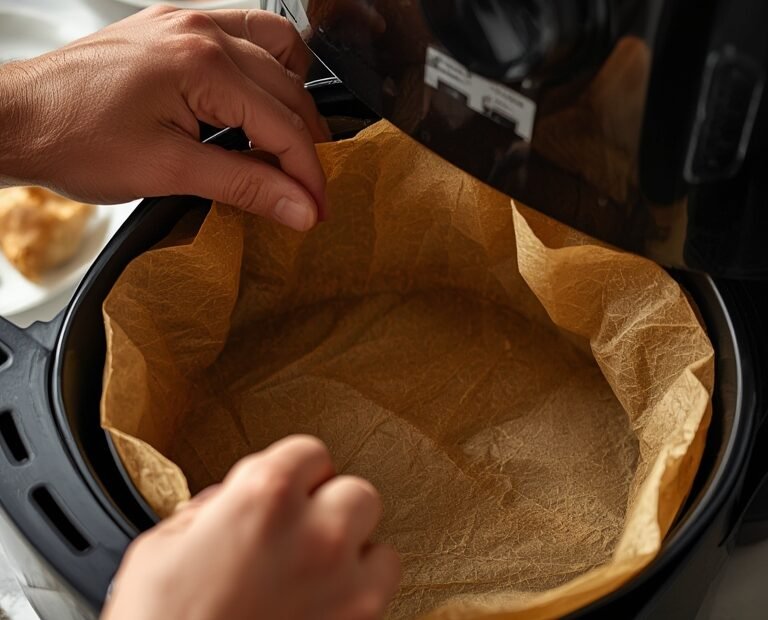
Air fryer liners are quickly becoming an indispensable kitchen accessory for anyone who loves the convenience and speed of air frying but hates the post-cooking cleanup. Whether you’re considering silicone or parchment liners, knowing the latest trends, real pros and cons, and the best ways to use them can help you avoid common mistakes and get more from your air fryer.
Key Takeaways
- Silicone air fryer liners lead the market for reusability, heat resistance, and long-term value.
- Parchment liners remain popular for single-use ease but typically offer less durability and lower heat resistance.
- Lack of direct brand guidance means users should choose based on air fryer size, recipe, and safety awareness.
- What Are Air Fryer Liners and Why Use Them?
- How to Use Air Fryer Liners: Step-by-Step Guide
- Advanced Analysis & Common Pitfalls
- Conclusion
- FAQ Section
What Are Air Fryer Liners and Why Use Them?
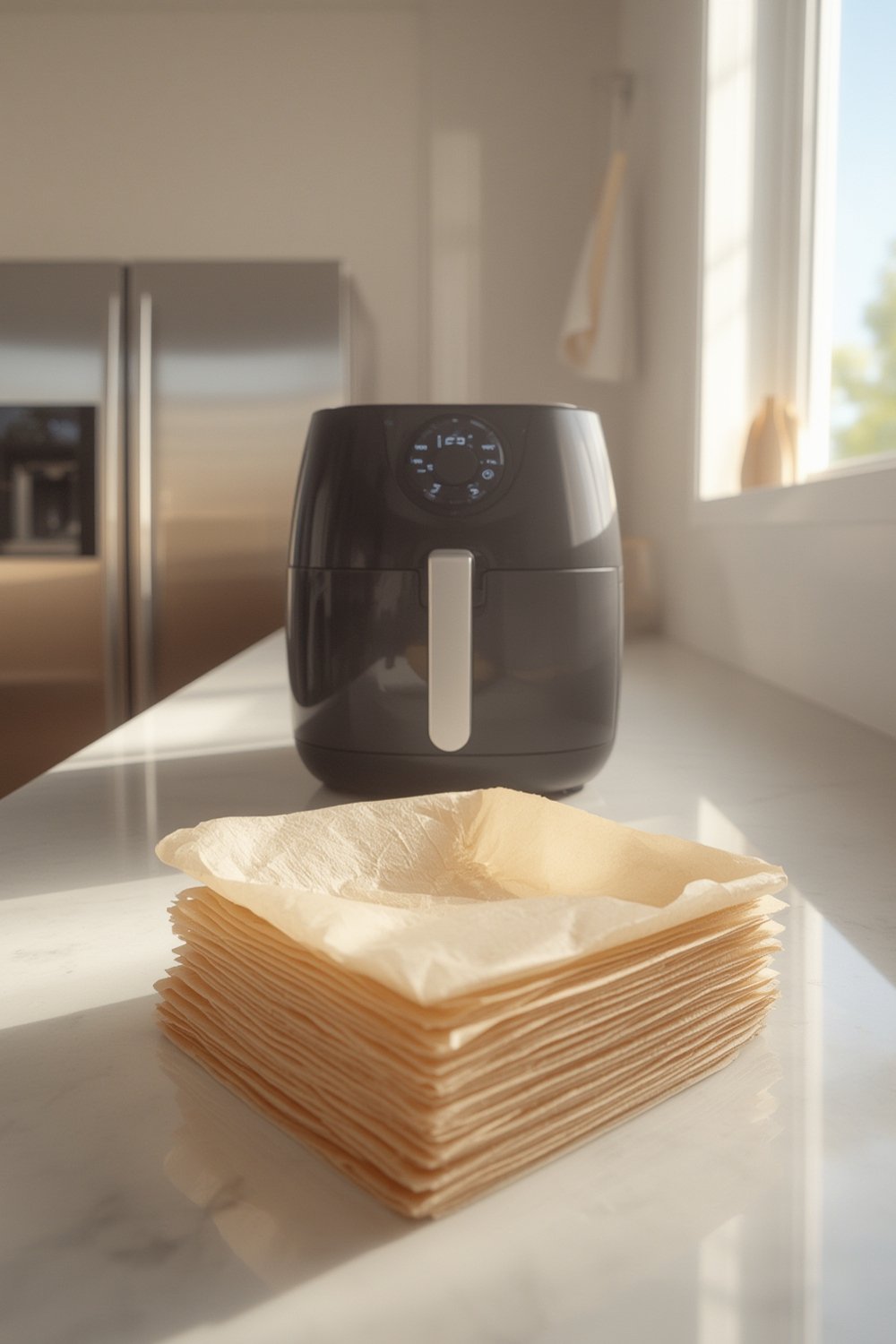
Air fryer liners are purpose-built mats—most often made from silicone or parchment liners—that sit inside your air fryer basket. Their key role is to protect the basket’s nonstick surface, simplify cleanup, prevent food from sticking, and contain drips or crumbs. Silicone liners are a reusable, eco-friendly solution. Parchment liners are disposable and convenient for certain recipes or quick turnarounds. Both aim to save time and effort after cooking, especially with sticky or battered foods. As air fryers spike in popularity, demand for liners has soared, with the global market reaching USD 1.2 billion in 2024.
How to Use Air Fryer Liners: Step-by-Step Guide
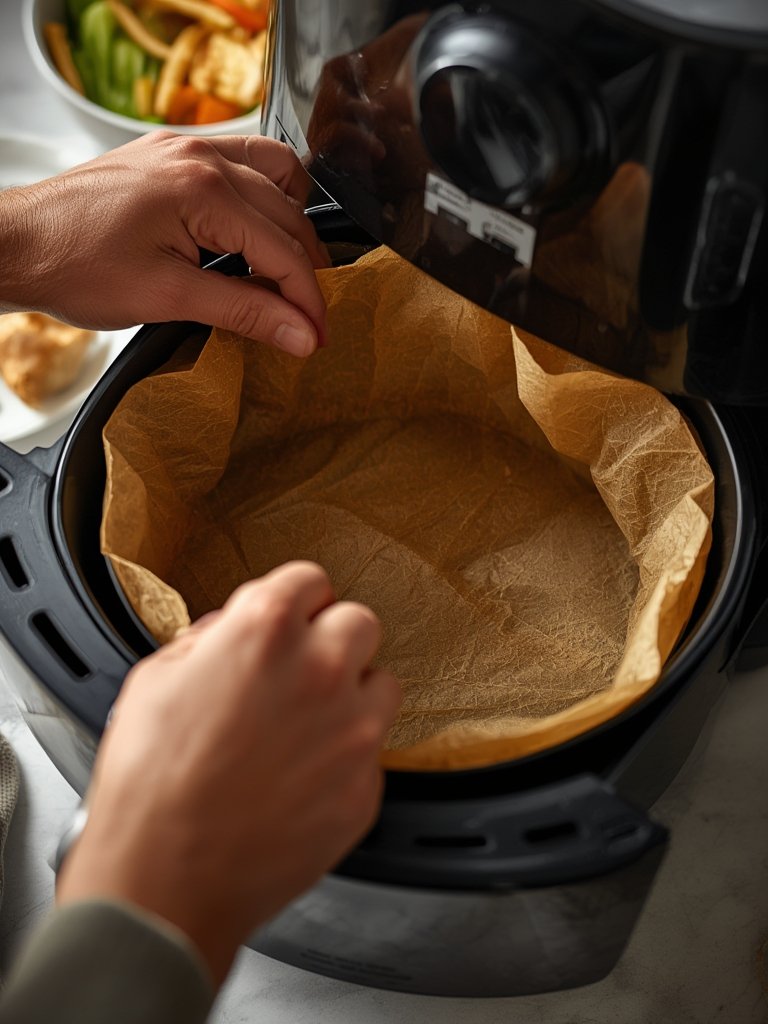
- Choose the Right Liner for Your Air Fryer Size and Model. Carefully measure your basket and check product compatibility before buying. Some air fryers have curved or ridged baskets requiring custom-fit liners.
- Prep Food as Usual—But Plan for Liner Thickness. Liners (especially thick silicone) can slightly reduce the cooking surface or air flow. Don’t overcrowd the basket, and spread food in a single layer.
- Position the Liner Before Adding Food. Never preheat the air fryer with only a liner inside, especially for parchment—it can fly up onto the heating element and scorch.
- Monitor Cooking Time and Air Flow. Thick silicone liners may slightly increase cooking time. Adjust recipes as needed and check food halfway.
- Cleaning and Storage. Silicone liners are usually dishwasher safe. Parchment liners should be disposed of after use. Always let liners cool before removing to prevent burns.
For advanced kitchen organization and efficiency, consider pairing air fryer liners with kitchen organization tools to streamline meal prep and cleanup processes.
Advanced Analysis & Common Pitfalls
Based on recent market studies, silicone liners account for nearly half of reusable liner revenue thanks to better heat resistance, flexibility, and lifespan. However, all types of air fryer liners introduce practical tradeoffs. Here’s a realistic breakdown:
| Aspect | Silicone Liners | Parchment Liners |
|---|---|---|
| Heat Resistance | Excellent (usually 430-480°F) | Good (typically 420°F max) |
| Non-Stick Performance | Consistently high when new; may degrade over time with sharp tools | Good for simple foods; can stick with wet batters or excess grease |
| Durability | Reusable for 100+ cycles | Single use only |
| Ease of Cleaning | Dishwasher safe; may require scrubbing for heavy soils | Disposable; zero cleanup |
| Enviro Impact | Lower waste; long lifespan | Creates more waste; mostly biodegradable but still single-use |
| Cost Over Time | More expensive upfront, but cheaper in the long run | Cheaper initially; greater expense with frequent use |
| Potential Issues | May block airflow if overloaded; can trap moisture beneath food | Can curl or burn if not anchored with food; brittle at high temp |
- Poor Air Circulation: Thick or overloaded liners may prevent crisping—common with snug silicone designs.
- Misfit Sizes: Liners that don’t match your basket’s shape can slip out of place, leading to uneven cooking or even contact with heat elements (a fire risk, especially with parchment).
- Residue Buildup: Silicone liners, though dishwasher safe, can harbor stubborn grease if not scrubbed periodically.
- No Universal Standards: Some brands provide inconsistent sizing, and few publish proper safety documentation. Always check specs before buying.
- No Direct Brand Warnings: Leading air fryer manufacturers rarely issue official guidance on liner compatibility, use, or maximum liner temperature.
For long-lasting results, avoid metal utensils on silicone or scraping stuck residue off parchment sheets. Those interested in maximizing air fryer safety can learn more about non-toxic air fryers to pair with the safest liners.
Conclusion
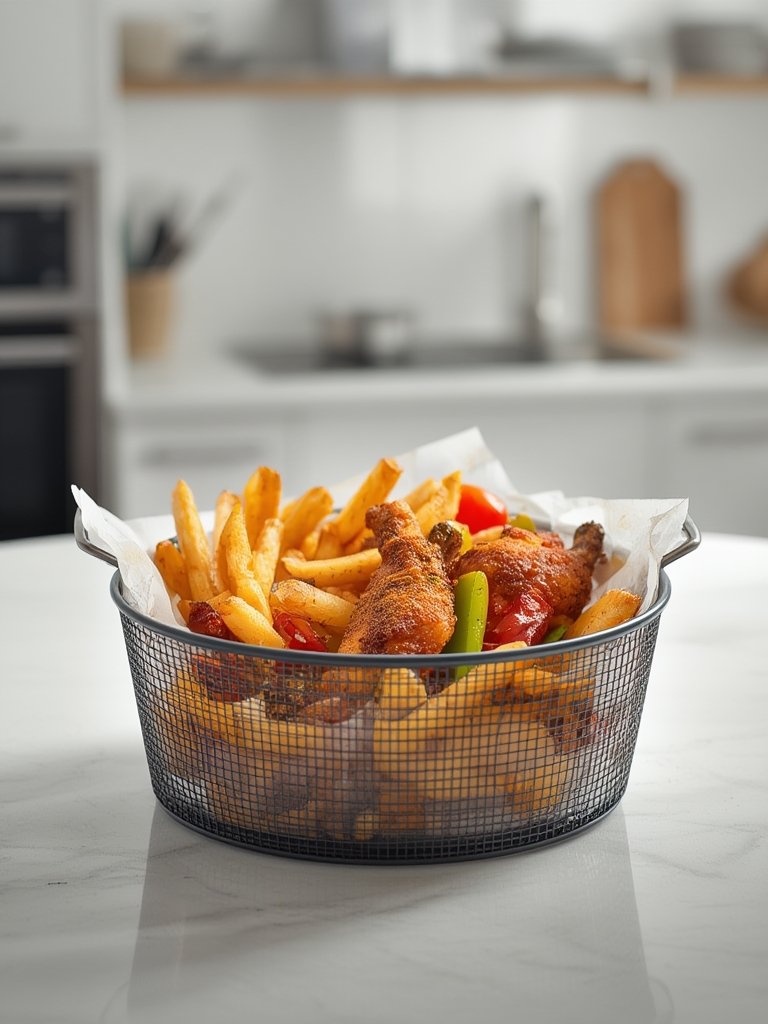
Choosing the right air fryer liners comes down to balancing heat resistance, cleaning habits, and eco priorities. Silicone liners excel in durability and can slash waste over time; parchment liners offer fast, no-scrub convenience but generate continual cost and trash. Despite conflicting market data, both line the global air fryer market with nearly equal importance. For the best performance, always check your user manual for basket size and temperature limits, and when in doubt, invest in a top-rated liner that fits your needs. Ready to streamline your air fryer experience? Upgrade to the best air fryer liners today and make cleanup a breeze!
FAQ Section
Are silicone air fryer liners safe at high temperatures?
Most silicone liners are safe up to 430–480°F (220–250°C), which exceeds standard air fryer temperatures. Always check the manufacturer’s temperature rating and never let silicone touch heating elements directly.
Can I use parchment paper in any air fryer?
Yes, but only use parchment liners designed for air fryers. Never preheat the air fryer with an empty parchment liner, as it may fly up and scorch the heating element.
How often should I replace my silicone air fryer liner?
A quality silicone liner can last for 100+ uses with proper cleaning. Replace if it becomes warped, cracked, or its non-stick surface is damaged by sharp utensils.
Do I need to add oil when using air fryer liners?
Most liners are non-stick, so you typically need less oil. For best browning, lightly spritz food, not the liner, with oil before cooking.
Are reusable liners more environmentally friendly than disposable ones?
Yes, reusable silicone liners generate less waste over time, though they require occasional deep cleaning. Parchment liners, while biodegradable, still create single-use trash.