

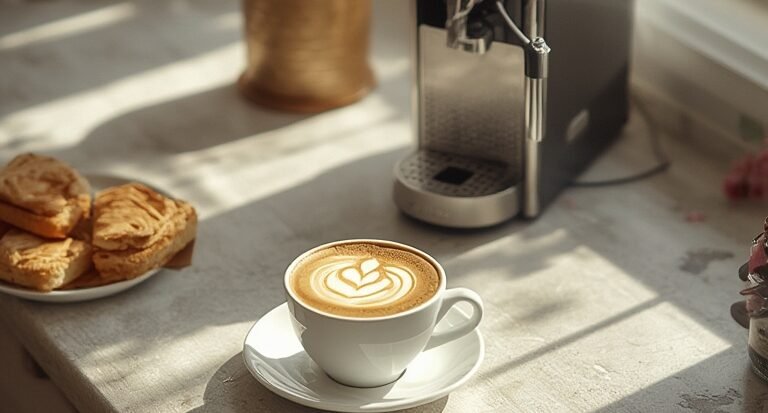
best compact espresso machine options have exploded in popularity, especially for coffee lovers with tight kitchen spaces or who crave café-style coffee at home. But choosing the right model can be confusing, as features, reliability, and size all matter. This guide takes a realistic, step-by-step approach to finding and using the best compact espresso machine for your unique needs.
Key Takeaways
- Compact espresso machines are surging in demand, offering full espresso capabilities in small kitchens and apartments.
- Carefully compare size, user experience, maintenance, and price—some models sacrifice durability for space.
- Common pitfalls include learning curves, noise, frequent descaling, and limited water tank capacity.
- What Is a Compact Espresso Machine? Why They’re Popular Now
- Step-by-Step Guide: How to Choose and Use a Compact Espresso Machine
- Advanced Analysis & Common Pitfalls of Compact Espresso Machines
- Conclusion: Is a Compact Espresso Machine Worth It?
- FAQ
What Is a Compact Espresso Machine? Why They’re Popular Now
A compact espresso machine is a specially designed coffee maker that delivers full espresso brewing functionality in a smaller footprint. These machines often measure under 7 inches wide and are meant for limited counter space—think apartments, dorms, condos, and even RVs.
Consumer trends show an 82% increase in home espresso machine purchases in 2024, reflecting a wider shift toward at-home coffee rituals. What’s driving the surge in compact espresso machine interest is a mix of shrinking urban living spaces, higher rents, and the desire for quality coffee without the long café lines. Industry analysts confirm compact espresso makers as a top growth segment, particularly for those prioritizing convenience and form factor (source).

In summary, a compact espresso machine is ideal when you want quality shots but are short on space. These machines bring home the espresso-bar experience, but buyers should weigh their options carefully—as not every small model performs equally. For those on a broader kitchen upgrade, pairing an espresso machine with a set of kitchen organization tools can maximize efficiency.
Step-by-Step Guide: How to Choose and Use a Compact Espresso Machine
Buying and setting up a compact espresso machine calls for careful attention to both fit and function. Here are the realistic steps any home barista should follow:
- Measure Your Space First: Always check available counter width, depth, and clearance for opening water tanks or portafilters. Many compact models are wider at the base or need extra space for cleaning access.
- Decide on Features: Consider if you need built-in grinders, milk frothers, programmable dosing, or simple manual controls. More features often mean a slightly bigger size.
- Compare Key Specs: Tank size (common is 30-50oz), pump pressure (minimum 9 bar), heating speed, and cup clearance all affect usability.
- Look for actual numbers, not just “compact” or “fast.”
- Read Real-World Reviews: User reports reveal noise, leaking, temperature issues, or tricky learning curves that specs alone cannot.
- Test Coverage and Warranty: Cheap models can fail sooner. Ensure warranty terms cover pump, boiler, and seals for at least a year.
- Think About water filtration: Especially in hard water areas, a poor filter or no filter means more frequent descaling and taste problems. See tips from related kitchen maintenance guides like this hard water filter guide.
- Practice Extraction Routine: Small machines can be unforgiving. Use a scale (see why in this kitchen scale guide), time your shots, and experiment with grind coarseness and tamping.
- Maintain Regularly: Rinse, descale, and check for buildup or leaks. Compact designs sometimes make deep cleaning harder.
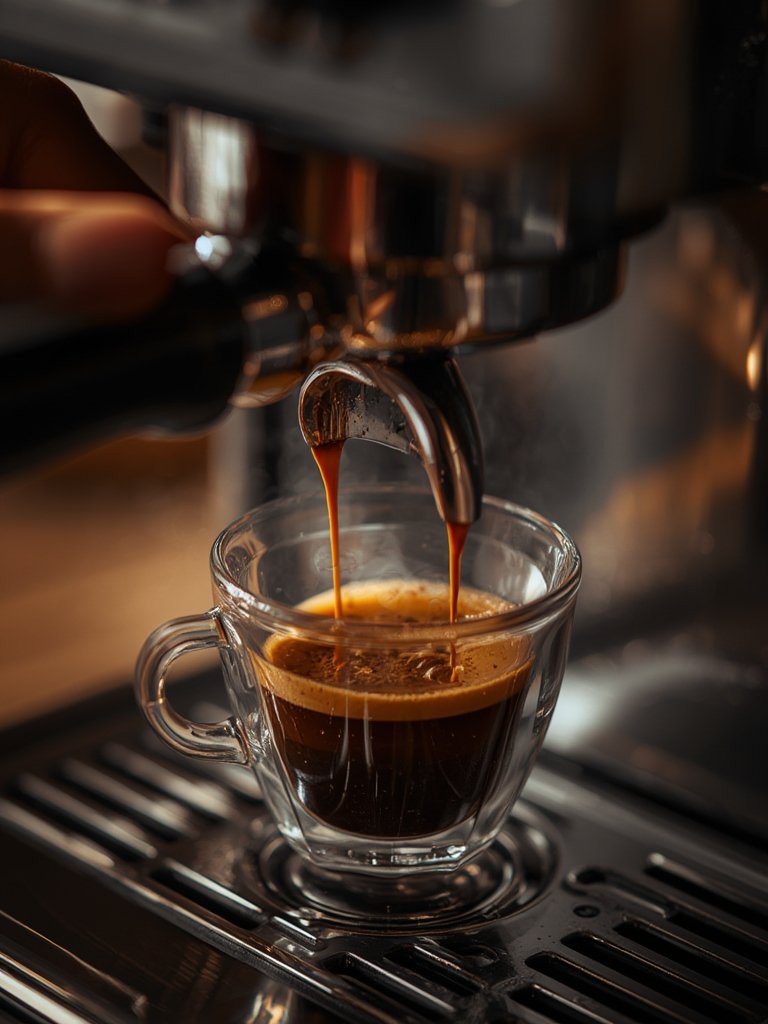
For users upgrading barista accessories, pairing your compact espresso machine with a dedicated espresso grinder and quality coffee puck prep tools can substantially improve results, even in compact kitchens.
Advanced Analysis & Common Pitfalls of Compact Espresso Machines
Compact models promise convenience, but come with tradeoffs. Before committing, review these common pitfalls and warning signs based on market feedback and product statistics.
- Smaller Water Tanks: Frequent refilling (sometimes 1-2 cups between refills) can become frustrating, especially if guests visit.
- Limited Steam Power: Many compact machines have slow or weaker steam wands, hindering proper microfoam for lattes or cappuccinos.
- Learning Curve: Some popular models (like manual lever or semi-automatic) offer maximal control, but their narrow operating margins make mistakes (under- or over-extraction) more common, especially for beginners.
- Short Lifespan: Cheaper compact machines may use plastic internal parts prone to leaks or breakdown after 1-2 years.
- Noise: Smaller pumps can run louder, causing issues in open-plan apartments or shared spaces.
The market has grown fast: the espresso machine segment is valued at USD 4.79 billion in 2024 and is projected to reach USD 8.5 billion by 2035 with a steady CAGR of 5.3%. Automatic machines dominate sales—valued at USD 1,500 million this year—mainly due to their simplicity and reliability. However, not all compact models offer true one-touch brewing.
| Feature | Compact Espresso Machine | Standard Espresso Machine |
|---|---|---|
| Width | 5-7 inches | 12-15 inches |
| Water Tank | 30-50oz | 60-100oz |
| Noise Level | Medium-High | Low-Medium |
| Warmup Time | < 2 minutes | 2-10 minutes |
| Durability | 1-3 years (average) | 5+ years (average) |
| Best For | Small kitchens, apartments, solo use | Large kitchens, families, frequent use |
When shopping, don’t skip due diligence. User stories can sometimes be more revealing than spec sheets. For reliability and longevity, some buyers consult guides for related appliances like countertop ice makers and manual food choppers to better understand potential trouble spots.

Conclusion: Is a Compact Espresso Machine Worth It?
If you crave real espresso in a tight kitchen, a compact espresso machine is a smart investment—provided you balance space-savings against reliability, cleaning, and noise. While growth statistics confirm surging demand and improved technology, it remains essential to scrutinize warranties, long-term costs, and real-world feedback before buying. A little patience upfront ensures you’ll have a satisfying, lasting experience with your compact espresso machine.
Ready to bring café-quality shots home? Compare features, read reviews, and consider what truly suits your space and coffee rituals—then enjoy better mornings, one cup at a time.
FAQ
What is the best compact espresso machine for small kitchens?
There is no one-size-fits-all “best” as models vary by size, features, and price. Look for units under 7 inches wide with solid user reviews and a reliable warranty. Always check if the water tank and portafilter are easy to access in your space.
Are compact espresso machines durable?
Many compact models last 1-3 years on average, especially if they use more plastic components. Reading real user reviews and confirming warranty length helps avoid early failures. Models with more metal parts generally last longer.
Do compact espresso machines make good espresso?
Yes—if you use fresh beans, good grind and tamping technique, and preheat the machine. The best models match full-size machines for pressurized brewing (9+ bar), but overall consistency can be affected by heat retention and learning curve.
How often do I need to descale a compact espresso machine?
Most compact espresso machines should be descaled every 2-4 weeks, especially in hard water areas. Machines with smaller tanks and boiler components can develop buildup faster without proper maintenance.
Is there a noise difference between compact and regular espresso machines?
Most compact machines are a bit louder than full-sized options, as they use smaller pumps and less insulation. This is an important consideration in apartments or quiet settings.