

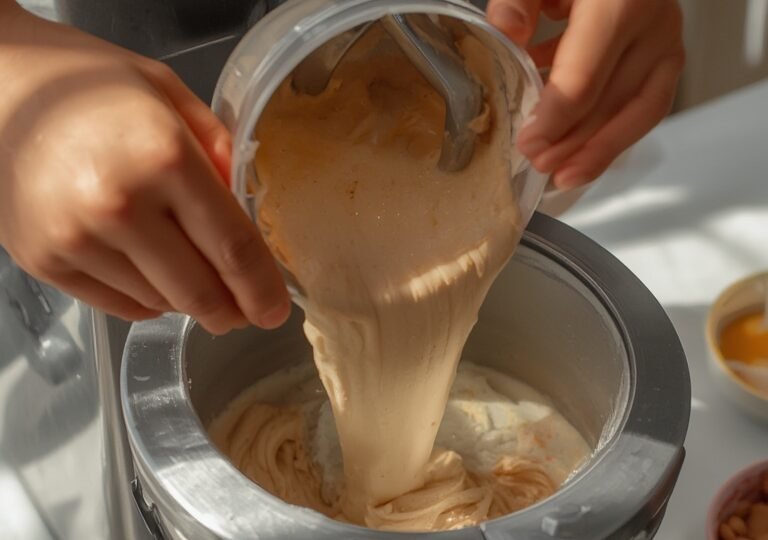
Ice cream maker machines are changing how people create their favorite frozen treats at home, offering customized options and a healthier way to indulge.
Key Takeaways
- The home ice cream maker market is growing fast, fueled by demand for customizable, health-conscious desserts and better online availability.
- Compressor models and freeze-bowl machines each have strong pros and cons, especially around cost, convenience, cleaning, and storage needs.
- Smart features, energy savings, and durability are defining the next generation of ice cream makers—choose wisely to avoid common pitfalls.
- What Is an Ice Cream Maker and Why Use One?
- How to Choose and Use an Ice Cream Maker: Step-by-Step
- Advanced Analysis and Common Pitfalls
- Conclusion and Next Steps
- Ice Cream Maker FAQ
What Is an Ice Cream Maker and Why Use One?
An ice cream maker is a kitchen appliance designed to churn and freeze your own ice cream, gelato, frozen yogurt, or even protein-packed frozen treats. Popular at-home models fall into two main categories: compressor machines (self-freezing) and freeze-bowl types (where you chill the bowl in your freezer before use).

Why use an ice cream maker at home? For starters, you control every ingredient. Whether you’re making classic vanilla, protein-rich options, or dairy-free recipes, homemade ice cream allows you to skip preservatives and adjust sugar and fat levels to fit your needs. For families, DIY ice cream can quickly become a creative activity and a healthy alternative to store-bought brands.
The home-use segment is booming, valued at $1.2 billion in 2024 with forecasts exceeding $2.5 billion by 2034.[source] Rising health consciousness, online D2C shopping, and customization drive this trend.[source] However, buyers face a choice: invest in a high-end compressor model for convenience, or save money with a freeze-bowl version that demands more preparation.[source]
For more on versatile tools for homemade foods beyond frozen treats, see our guide to mortar and pestle sets.
How to Choose and Use an Ice Cream Maker: Step-by-Step
- Assess your needs and space: Decide if you only make ice cream occasionally or want a kitchen workhorse for frequent, creative batches. Compressor machines are larger, pricier, and handle multiple batches without pre-freezing, while freeze-bowl models are more compact and budget friendly.
-
Understand machine types:
- Compressor models: Plug-and-play, no pre-freeze, consistent results, higher price, more moving parts, and more cleaning effort.
- Freeze-bowl/manual models: Bowl must be frozen overnight, more manual effort, easier to store, lower price, works best for small occasional batches.
- Evaluate capacity: Under 2 quarts is suited for small families. 4-5 quart models deliver for gatherings.
- Consider features: Look for app connectivity, timers, noise level ratings, easy-clean buckets, and optional recipe and accessory bundles.
- Check ingredient compatibility: Most modern machines support dairy, non-dairy, sugar alternatives, and protein-enriched mixes.
- Follow use and cleaning instructions: Always read the manual. Prompt cleaning is essential, especially with compressor models.
- Store properly: Dry all parts thoroughly and store in a ventilated area to avoid odors or mold.

Want to make your protein ice cream even smoother? The popular Ninja CREAMi lets you control mix-ins and texture with its unique “Re-Spin” feature. If you’re looking for an alternative to store-bought desserts, read our complete guide to ice cream maker models.
For measuring recipe ingredients accurately every time, check our guide to measuring cups and spoons.
Advanced Analysis and Common Pitfalls
Ice cream makers are not one-size-fits-all. To select the right one for your kitchen, weigh the latest features, maintenance challenges, and the potential disappointments.
Compressor vs Freeze-Bowl: Deep Comparison
| Feature | Compressor Ice Cream Maker | Freeze-Bowl Ice Cream Maker |
|---|---|---|
| Initial Cost | High ($200+) | Low ($50–$100) |
| Freezing Method | Built-in compressor (no pre-freeze needed) | Pre-freeze bowl overnight |
| Batch Size & Frequency | Multiple batches in a row | One batch every 12-24 hours |
| Maintenance | More complex, more cleaning | Simpler, fewer parts |
| Texture Consistency | Usually smoother, more professional | Can be icy if base isn’t cold enough |
| Storage Needs | Bulky, needs countertop space | Compact, easy to stow |
| Lifespan* | Potentially longer if well maintained | Fewer moving parts, but heavy freezer use could affect bowl integrity |
| Long-Term Cost* | Higher upfront, lower incremental cost with frequent use | Lower upfront, potential hassle if used frequently |
*Specific data varies by model and usage habits. Compressor models are typically more robust but require more counter and storage space, while freeze-bowl models are best for occasional users.
Actual User Complaints and Problems
- Compressor models are expensive, harder to clean, and sometimes noisy.
- Freeze-bowl machines require advance planning due to pre-chilling, and may not achieve “parlor” creaminess unless you chill bases and serve immediately.
- All types can be seen as seasonal novelties—many owners report underuse after the initial excitement.
- Storage is a frequent disappointment: both bowl and base can take up a lot of freezer or countertop space.
- For small kitchens, lack of storage space prevents repeated use. If you don’t love the process, store-bought may be more practical.
- Soft serve, protein, and frozen yogurt makers do not differ in cleaning or operation compared to standard models, despite what some marketing implies.
Competitor articles rarely address nuanced factors like power use, bowl size ranges, or actual noise levels. For technical specs, research carefully—models under 2 quarts lead in popularity due to compactness, but larger models deliver convenience for bigger families. Smart features like app controls and timers are growing, but check for reviews about durability and energy draw before buying.[source]

Want to organize your kitchen tools for less clutter? Our kitchen organization tools guide offers practical solutions.
Looking for quieter appliance alternatives? Learn about options in our compact espresso machine guide.
Conclusion and Next Steps
Home ice cream makers give you full creative and nutritional control, letting you choose everything from dairy base to mix-ins. The market is expanding, with new smart and energy-efficient features arriving each year. Compressor and freeze-bowl machines each have trade-offs, especially around upfront cost, convenience, and storage needs.
Before you buy an ice cream maker, review your actual usage habits and storage space. Start with basic recipes to learn your machine’s quirks, and factor in cleaning and maintenance realistically. Ready to transform dessert night? Shop smart, read the full reviews, and pick the right machine for your homemade treats.
Ice Cream Maker FAQ
What’s the real difference between compressor and freeze-bowl ice cream makers?
Compressor ice cream makers freeze the mixture with an integrated compressor—no pre-freezing needed, more convenience, but higher price. Freeze-bowl types require chilling the bowl in advance, can handle only one batch at a time, but are cheaper and easier to store.
Are there real technical differences for protein or gelato ice cream makers?
Most modern home-use ice cream makers can handle protein, gelato, or frozen yogurt bases. The main differences are marketing and included presets. Texture changes come from your recipe, not the machine.
How should I clean my ice cream maker?
Disassemble all parts immediately after use and wash with mild soap and warm water. Some bowls and paddles are dishwasher-safe, but always check the manual. Compressor bases should never be submerged—wipe gently with a damp cloth.
Is making ice cream at home cheaper than buying it?
For frequent users, homemade ice cream can be cheaper per serving and healthier. Factor in machine cost, ingredients, and time—occasional users may not save money versus premium store brands.
Which size should I choose for a small kitchen?
Under 2 quarts is ideal for compact kitchens and easy storage. Many leading models fit in standard freezer drawers or have stackable parts.
[…] product is one-size-fits-all. If you need both ice and creamy desserts, read up on the best countertop ice cream makers for 2026 for a broader look at icy kitchen […]