

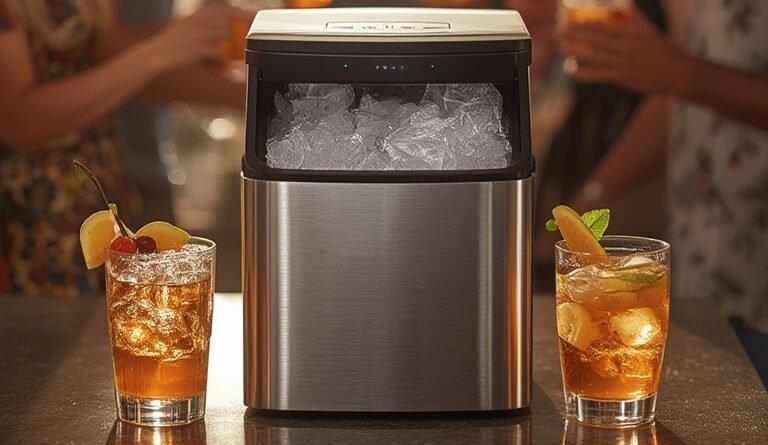
Countertop ice maker appliances have become a must-have for anyone who wants fast, reliable ice at home, in an RV, or at the bar. If you’re tired of filling messy trays or running to the store for bagged ice, it’s time to discover what these compact machines can really do for your kitchen and lifestyle.
Key Takeaways
- Countertop ice makers are a fast-growing segment in the home appliance market, especially for home bars, RVs, and small kitchens.
- Bullet and nugget ice types offer different experiences: bullet for reliability and speed, nugget for chewable texture.
- Choosing the right model means balancing output, cleaning needs, and realistic durability—don’t skip reading user complaints before buying.
- What Is a Countertop Ice Maker and Why Do You Need One?
- Step-by-Step Guide: Choosing and Using Your Countertop Ice Maker
- Advanced Analysis & Common Pitfalls
- Conclusion
- FAQ
What Is a Countertop Ice Maker and Why Do You Need One?
A countertop ice maker is a compact appliance that quickly produces ice cubes or nugget ice without needing a water line or permanent installation. Unlike traditional ice trays or bulky built-in machines, these units are plug-and-play. You fill the integrated reservoir, select your ice size, and get fresh ice in as little as 6-20 minutes. The self-contained design is perfect for busy kitchens, apartments, dorms, RVs, cabins, and outdoor parties.
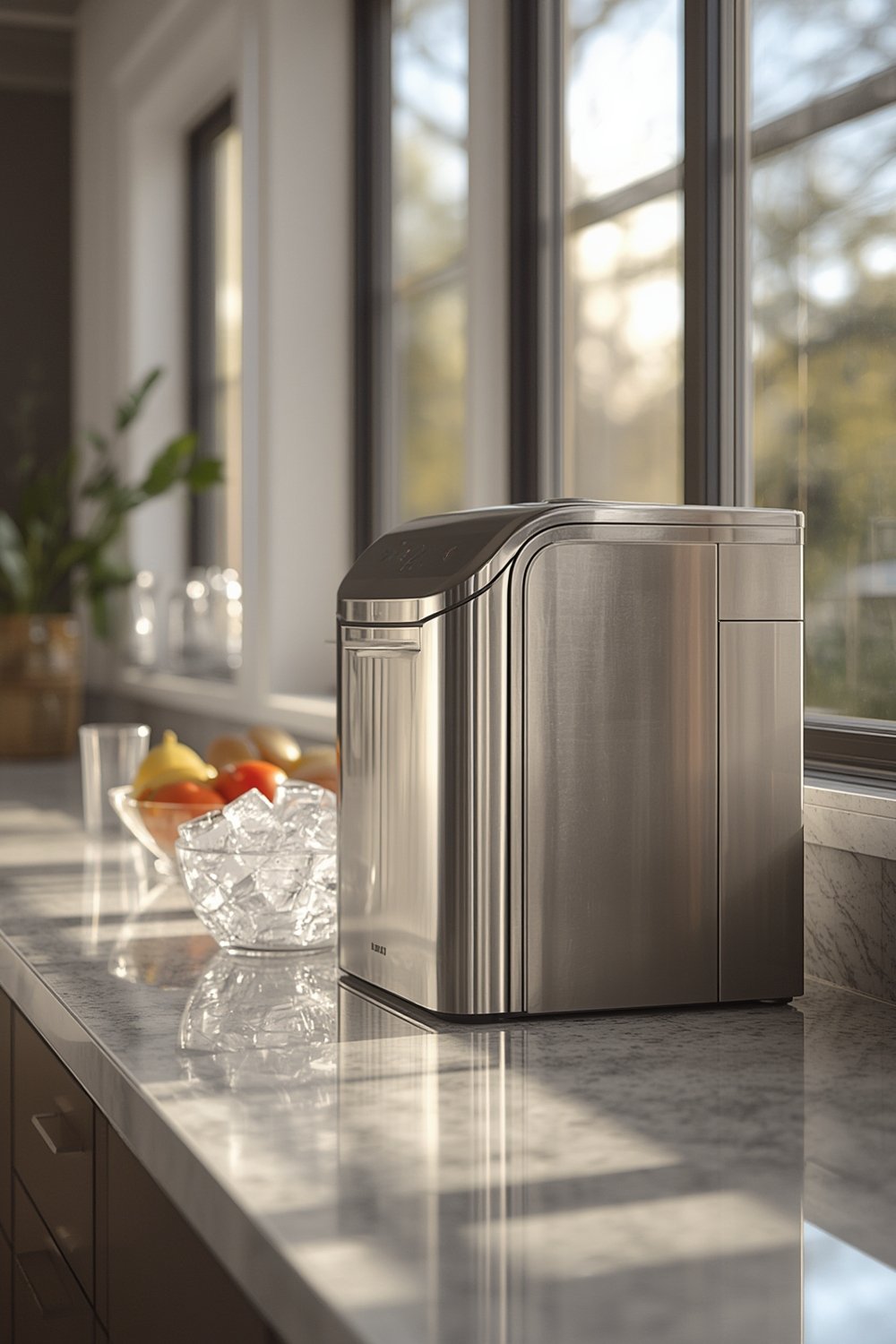
Why choose a countertop ice maker? Recent market research shows North Americans spent over $1.24 billion on these appliances in 2023, with a projected 5.4% CAGR through 2030. Demand is driven by home entertaining, outdoor activities, and the push for convenient, on-demand kitchen solutions. Bullet-shaped ice makers dominate, but nugget ice makers (famous for their chewable texture) are a growing trend led by U.S. consumer preference for better beverage experiences.
With e-commerce making it easier to compare different ice maker types and models, homeowners, renters, and van-lifers are upgrading their setups for more control, less hassle, and fresh ice whenever they want it.
Step-by-Step Guide: Choosing and Using Your Countertop Ice Maker
Here’s a clear, practical framework to help you pick and use the ideal countertop ice maker, whether you’re outfitting an RV, condo, or home bar.
- Identify your ice needs and preferences. Do you want soft, chewable ice for cocktails (nugget/Sonic style), or standard fast-melting bullet ice for coolers and sodas? Consider the ice production rate (20-50 lbs. per day is standard for active homes), ice shape, and storage bin size.
- Evaluate the space and portability. Measure your counter depth and reserved kitchen real estate—most units range from 9″ to 15″ wide and deep. For travel or RV use, favor lighter units (under 25 lbs) with built-in carrying handles and drain plugs. If you have a tiny kitchen, check out the best ways to maximize counter space too.
- Check ease of use features. Displays with real-time ice status, auto-shutoff, removable baskets, and easy-to-fill reservoirs are worth it. Models with self-cleaning cycles or antimicrobial parts are especially useful post-COVID.
- Research noise levels (if possible). Some units can be noisy—look for models with reviews mentioning decibel ratings or “quiet operation.” This makes a difference in small apartments or late-night use.
- Understand cleaning and maintenance. Even with self-cleaning, you’ll need to descale and sanitize every few weeks. Removable parts help. For a deeper dive on safe cleaning, see this guide to stainless steel kitchen cleaning and care.
- Use, maintain, and store correctly. Always clean before first use, empty water when not in use, and avoid running while empty. For added protection, place a countertop mat under the machine to catch any stray drips or condensation.

Choosing the correct countertop ice maker is a balance: higher output is handy for parties, but if you rarely entertain, a smaller, faster machine may be less noisy, easier to clean, and a better fit for your actual usage patterns.
Advanced Analysis & Common Pitfalls
Despite their popularity, countertop ice makers aren’t perfect. Here are the real issues and practical details, based on user experiences and 2024 industry research.
Common Pitfalls and How to Avoid Them
| Issue | Bullet/Cube Ice Makers | Nugget Ice Makers |
|---|---|---|
| Noise | Average 40-50dB. Some models are louder during harvest cycles. Noisiness is a top user complaint for fast models used in quiet spaces. | Can be louder due to augers and motors crushing ice. Look for models tested for “quiet performance.” |
| Cleaning/Maintenance | Usually has a removable basket and drain. Models without self-cleaning cycles are harder to maintain over time. | Some offer self-cleaning, but mold and scale buildup are visible in clear bins if neglected. Always use a cleaning solution regularly. |
| Durability & Repairs | Entry-level models may wear out in 1-2 years; warranties are often 1 year or less. Frequent moving (in RV use) speeds up wear. | More moving parts (like augers) so breakdowns may happen faster, especially in cheaper models. Repairs can be pricey. |
| Ice Output & Storage | Reliable 20-50lbs/day for most units (good for parties), but storage bins are uninsulated—ice can melt if not transferred quickly. | Similar daily output for most home units; soft ice melts faster than hard cubes (plan to use or transfer ice promptly). |
| Price & Availability | Bullet/cube makers are more affordable on average; 2024 prices range roughly $90-$300 depending on features. Warranty details are often vague. | Nugget makers cost $300+ and true Sonic-style ice can push models higher. Price transparency is still limited according to Mordor Intelligence. |
Why Some Users Are Disappointed
- Noise is the #1 complaint in small spaces. Units can startle light sleepers or disrupt quiet evenings in RVs or compact homes.
- Cleaning is often underestimated. Without regular descaling, mold and bad-tasting ice can creep in. Machines without self-cleaning require more elbow grease.
- Melting ice surprises new users. Most countertop bins aren’t refrigerated; ice starts melting as soon as it’s made. Plan to transfer cubes to a freezer or use immediately.
- Durability in frequent-move scenarios is limited. Dropping or jostling can misalign mechanical parts, so careful transport is key in RVs or for events.
- Warranty support can be inconsistent. Many brands offer limited one-year coverage; after that, repairs can cost nearly as much as a new unit.
No product is one-size-fits-all. If you need both ice and creamy desserts, read up on the best countertop ice cream makers for 2026 for a broader look at icy kitchen appliances.

Conclusion
The right countertop ice maker can transform daily life—less hassle, more entertaining, and always fresh ice on demand. But these machines come with tradeoffs. Consider your real-world needs for output, ice style, noise, and cleaning routines before taking the plunge.
For most users, a bullet/cube unit offers great value for everyday drinks, while a nugget ice maker is unbeatable for cold brew or chewable ice fans. Whichever you choose, understand you’ll have routine cleaning and an occasional noise burst. If you’re upgrading your kitchen workspace, check out workstation sinks for even more convenience. The key: match your choice to your life, not just marketing claims.
Ready to upgrade? Evaluate your space, needs, and habits—then bring home a countertop ice maker that makes life chill and easy. Review trusted buying guides and compare top models before buying.
FAQ
How fast can a countertop ice maker produce ice?
Most units start producing the first cubes within 7-20 minutes. Full output (up to 20 or 50 lbs per day) depends on model and ambient room temperature.
Do countertop ice makers need a water line?
No, they use a built-in reservoir that you fill manually. This makes them portable and suitable for RVs, offices, and rentals.
Can I use tap water in my ice maker?
You can use tap water, but distilled or filtered water makes clearer, better-tasting ice and reduces scale buildup inside the unit.
Are self-cleaning ice makers worth it?
Yes, if you want low-maintenance operation and better hygiene. Self-cleaning models simplify descaling and reduce mold risks—especially important if you use your machine every day.
What’s the difference between bullet and nugget ice?
Bullet ice is hard, slow-melting, and great for classic drinks; nugget ice is softer, chewable, and absorbs flavors, making it popular for cold brew and sodas.