

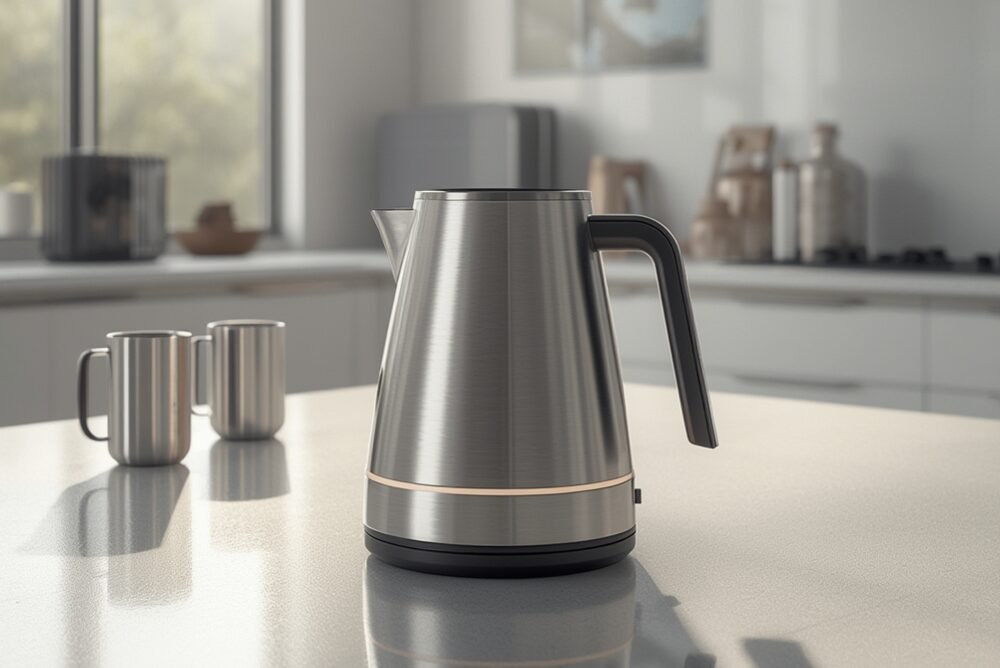
Foldable kettle technology is redefining how travelers, campers, and space-conscious users boil water with unmatched convenience and portability. But before you buy, it’s critical to understand how these kettles perform, their benefits, their pain points, and the real-world trade-offs you should expect.
Key Takeaways
- Foldable kettle offer portability and energy efficiency, but they come with durability and compatibility concerns.
- Key specifications—like wattage, voltage, and fill lines—are not always disclosed or standardized for foldable models.
- User reports highlight issues with leaks, heating elements, and longevity; consider warranty coverage and material safety before purchasing.
- What Is a Foldable Kettle and Why Use One?
- How to Choose and Use a Foldable Kettle: Step-by-Step
- Advanced Analysis, User Pitfalls, and Comparisons
- Conclusion
- FAQ
What Is a Foldable Kettle and Why Use One?
A foldable kettle is a compact, collapsible electric kettle mostly made from food-grade silicone and plastic or stainless steel elements. Its standout feature is its collapsibility—it packs down to a fraction of its size, making it ideal for travel, hotel stays, camping, and tiny kitchens. Its core purpose is to let you boil water quickly with portable convenience, instead of relying on shared hotel appliances, camping stoves, or bulky travel kettles.
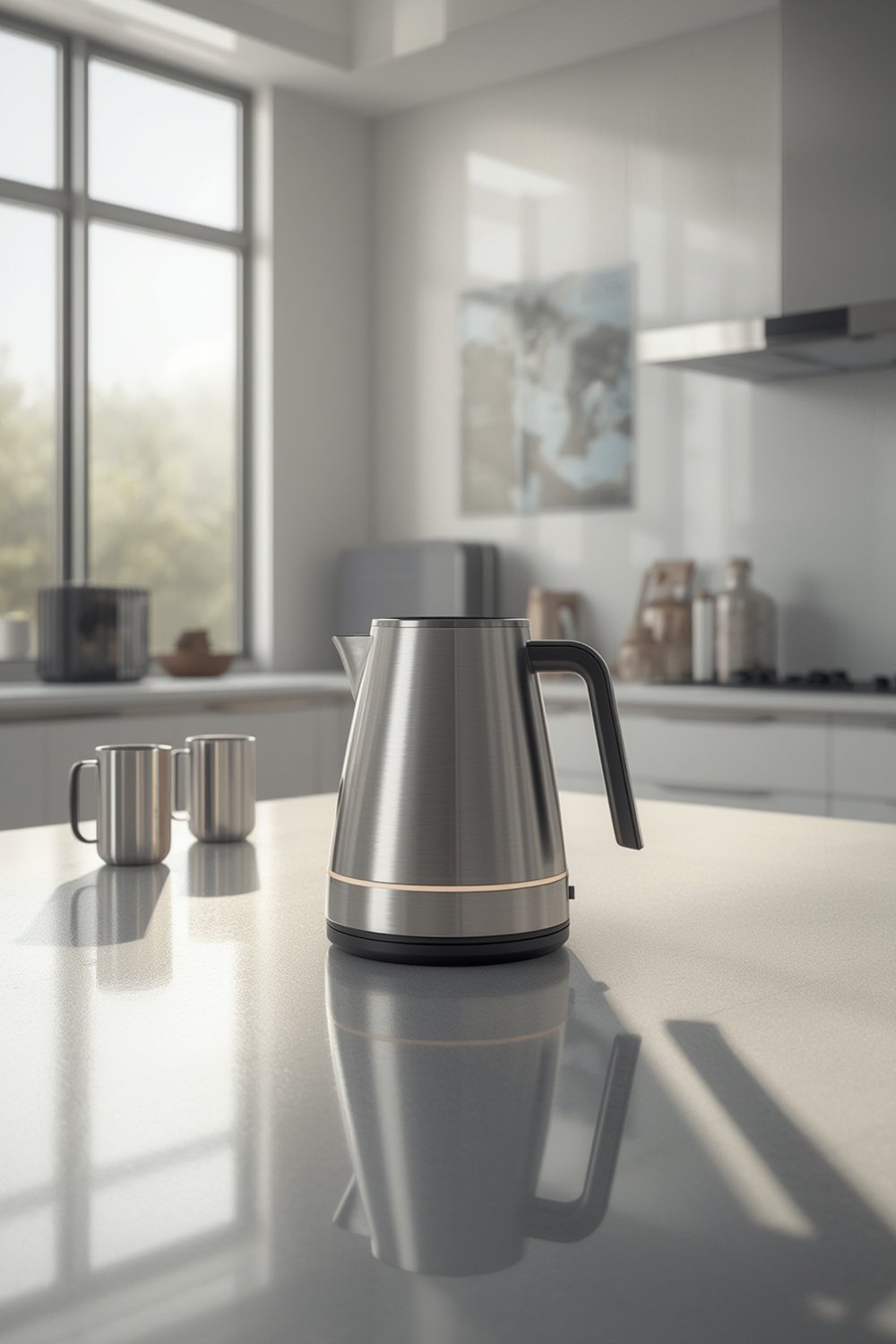
Compared to traditional travel kettles, foldable kettles dominate in terms of storage and portability. Most models target individual or two-person use, with capacities ranging from 0.5 to 1.5 liters. Boiling times vary, but high-end units can bring water to a boil in under three minutes, consuming up to 75% less energy than using a stovetop kettle (source). Safety features—including automatic shut-off and boil-dry protection—are frequently built-in, addressing major buyer concerns (source).
However, foldable kettles are not perfect solutions for all. Flexible construction can result in compromised sturdiness when compared to their traditional counterparts, and not every brand discloses detailed technical specifications beyond capacity and heating time. If you’re interested in optimizing all aspects of your kitchen gear, don’t miss our detailed guides on choosing a heavy-duty potato masher or how a stainless steel garlic press streamlines meal prep.
How to Choose and Use a Foldable Kettle: Step-by-Step
- Determine Your Main Use Case: Are you traveling internationally? Is counter space your main constraint, or are you primarily camping off-grid? Your answer shapes your needed specs—especially voltage, capacity, and heating time.
- Check Capacity & Dimensions: Most foldable kettles hold 0.5–1.5 liters. Under 1L suits solo travelers and hotels; 1–1.5L balances versatility while remaining portable (source).
- Scrutinize Voltage Compatibility: Foldable kettles are sold in 110-120V, 220-240V, or dual-voltage versions. Dual-voltage is vital for international use and hotel stays.
- Verify Safety Features: Look for kettles advertising auto shut-off and boil-dry protection as baseline features. Ideally, seek models with food-grade silicone or BPA-free plastic, but confirm via brand certifications or direct inquiries as many listings omit details (source).
- Set Up and Test: Wash thoroughly before first use. Fill to below the max line, especially if in a low-power hotel or RV outlet. Boil a test run, discard the first batch, and check for leaks or odd odors.
- Pack and Maintain Safely: Always let the kettle fully cool and dry before collapsing. Store in its pouch if provided to prevent abrasion and scent transfer. If you want compact tools for efficient cooking, also consider manual food choppers for your travel kit.
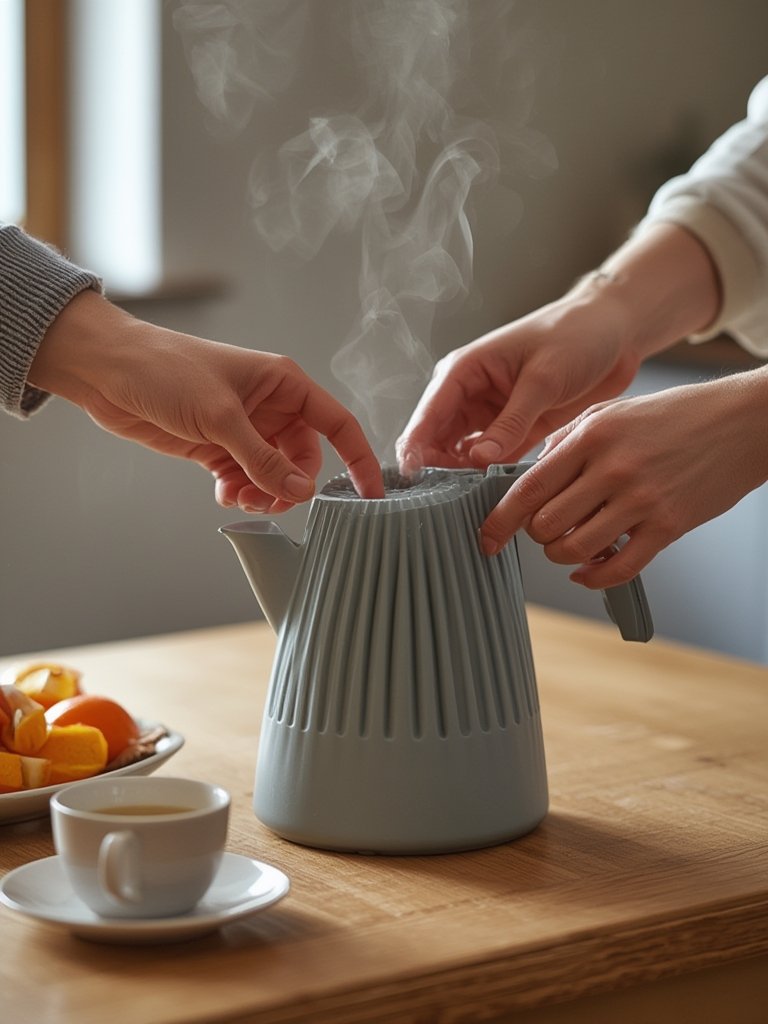
For all your packing and portable gear needs, integrating the right tools matters. If you love efficient kitchen organization, you’ll also appreciate our tips for storing kitchen tools like the magnetic knife holder or keeping ingredients fresh in fridge storage containers.
Advanced Analysis, User Pitfalls, and Comparisons
Research highlights that foldable kettles are not without drawbacks. Here’s what savvy buyers should watch for:
- Durability Issues: Flexible silicone and collapsible hinges may not stand up to frequent folding. About 27% of electric kettle users report performance issues like leaks or failed elements within two years (source), with low-cost imports more prone to returns.
- Leaking and Odors: Some users experience mild “plastic” or silicone odors, especially initially, and leaks can occur if wash instructions are ignored or max fill is exceeded.
- Voltage/Plug Compatibility: Travelers sometimes buy the wrong voltage—resulting in either slow boiling, blown fuses, or outright malfunction. Always confirm label or seller info, and use a converter if required.
- Certifications and Food Safety: Many listings claim BPA-free or food-grade status, but actual independent certifications can be hard to verify. Long-term exposure and taste/odor retention are still under-researched.
- Wattage and Fill Lines: Most sellers omit exact wattage and minimum fill levels. Overfilling or underfilling can cause overheating, spillage, or inefficient boiling—use caution and test first.
| Feature | Foldable Kettle | Traditional Travel Kettle |
|---|---|---|
| Packability | Collapses to 1/3 size; fits in small bags | Bulky, cannot compress; takes more space |
| Weight | Light (avg. 350–700g) | Heavier (avg. 600g–1.2kg) |
| Boiling Speed | Under 3–5 min (0.5-1L) | Similar, but varies by model |
| Voltage Options | 110V, 220V, dual voltage common | Some models need separate converter |
| Durability | Risk of seam/flex wear, leakage | More robust, fewer moving parts |
| Food Safety | Claims of BPA-free, but few certifications published | Can be stainless or plastic; brand-dependent |
| Price | Generally higher for foldables | Entry-level options more affordable |
When planning to upgrade travel tools for maximum convenience, remember the importance of material safety and product certifications. Looking for other compact essentials? See our recommendations on digital kitchen scales for perfect measurement every time.

Conclusion
Foldable kettles are a game changer for travelers, campers, and anyone needing portable hot water on-the-go. While they deliver big wins in portability and energy efficiency, it is crucial to understand their voltage, real-world durability, and lack of guaranteed food safety certifications. Conduct due diligence on any foldable kettle before purchase, and always prioritize units with verifiable safety features and dual-voltage options. Ready to upgrade your travel kitchen? Research, compare, and choose wisely—your next hot drink awaits.
Interested in more travel and kitchen gear? Explore our full guides, and don’t miss our in-depth article on the history, uses, and benefits of mortar and pestle sets for your culinary adventures.
Start browsing top-rated foldable kettles today—and make your next trip simpler, cleaner, and more enjoyable.
FAQ
Are foldable kettles safe to use with all water types?
Most foldable kettles are designed for standard drinking water. Hard water can accelerate scale buildup; always clean regularly and avoid usage with unknown or contaminated water sources.
Can I use a foldable kettle for cooking food (like soups or noodles)?
Some models permit heating soups or instant noodles, but consult the manual. Avoid overfilling, and never use with thick liquids or sticky foods, which can stain or damage silicone walls.
How do I remove a plastic or silicone odor from my new foldable kettle?
Boil a mixture of water and a little vinegar or lemon juice two or three times, discard the water, and rinse thoroughly. Let the kettle air dry unfolded before storing.
Do all foldable kettles work internationally?
No, not all are dual voltage. Check if your model supports both 110-120V and 220-240V. For single-voltage models, you must use a voltage converter when abroad.