

nitrided carbon steel pan is often overlooked in home kitchens, but if you want a lighter, more durable skillet with superior rust resistance and easy seasoning, it’s worth a closer look. Here’s everything you need to know before you buy or use one.
Key Takeaways
- Nitrided carbon steel pans combine the lightness and heat response of carbon steel with a hard, rust-resistant surface.
- Despite limited mainstream stats and studies, chefs favor these pans for better longevity and easier care than untreated options.
- Seasoning a nitrided pan is straightforward—just remember it behaves a bit differently than classic carbon steel.
- What Is a Nitrided Carbon Steel Pan? Why Bother?
- Seasoning and Caring for a Nitrided Carbon Steel Pan: Step-by-Step
- Advanced Analysis & Common Pitfalls
- Conclusion
- FAQ: Nitrided Carbon Steel Pans
What Is a Nitrided Carbon Steel Pan? Why Bother?
Nitrided carbon steel is a regular carbon steel pan that has undergone a surface-hardening process called nitriding. This process diffuses nitrogen into the steel’s surface at high temperature, resulting in a fine, hardened layer. For home cooks, this means your pan gets:
- Tougher, more dent-resistant surface: Nitriding significantly improves hardness and scratch resistance, so your pan lasts longer and won’t warp easily.
- Superior rust resistance: The added nitride layer repels rust far better than untreated carbon steel, reducing the risk of orange spots and flaking.
- Effortless seasoning and cleaning: That same surface helps oil polymerize more evenly for better nonstick, making future cleanups and sears much easier.
In 2024, the global carbon steel pan market reached approximately $2.14 billion—with over half of sales from home kitchens thanks to lighter weight (typically 25 to 40 percent less than cast iron) and a much faster heat response (source). Cast iron cookware remains a dominant force with estimates up to $4.43 billion (source), but carbon steel is rapidly making gains, especially with professional chefs and serious home cooks seeking a livelier, easier-to-handle option.
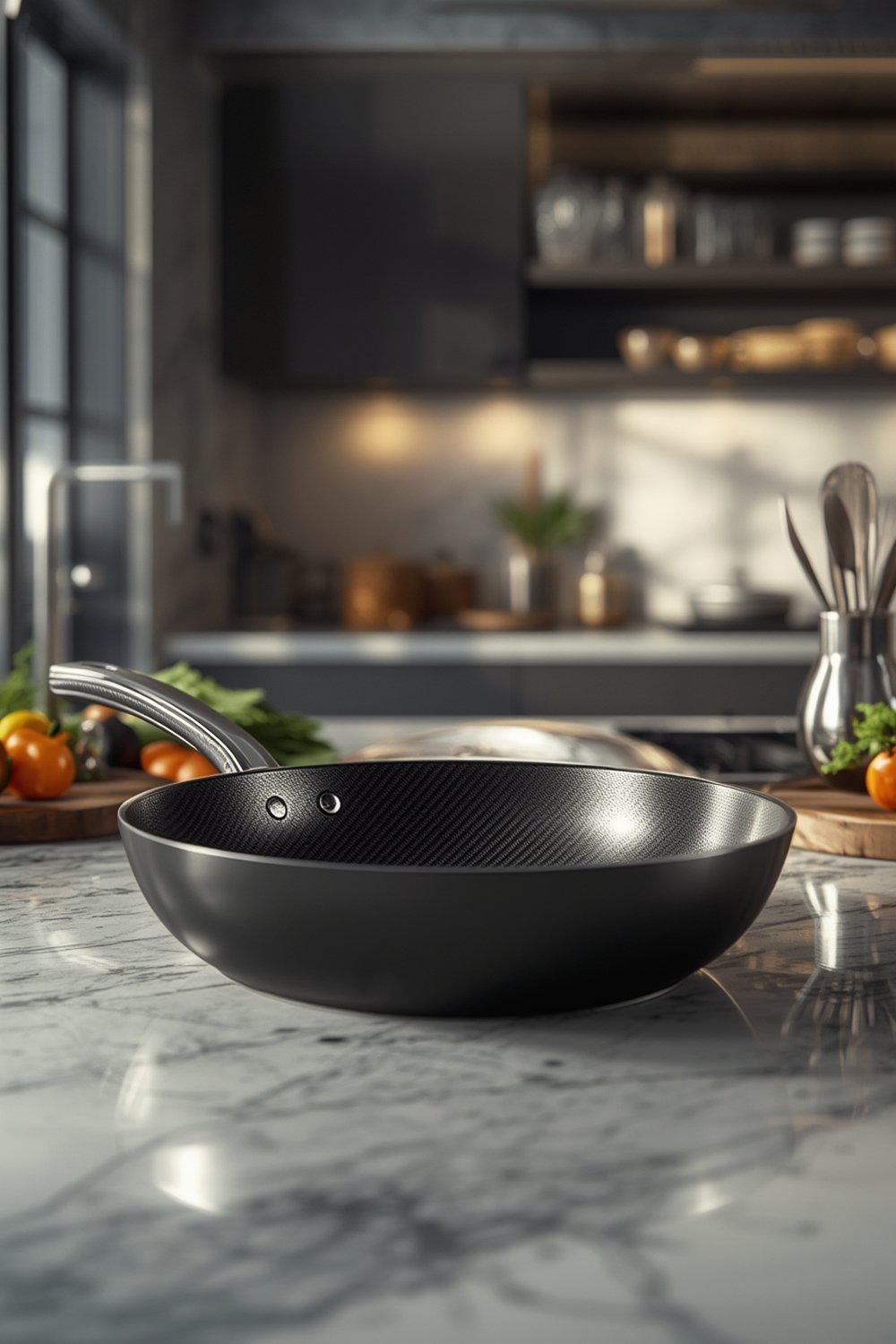
Most information online covers generic carbon steel pans—often missing the unique edge that nitriding provides. Major competitor content often skips or glosses over the key nitride advantage, focusing only on the pan’s heating speed and lighter weight—without discussing longevity, rust resistance, or how seasoning might actually be easier and more reliable with nitriding.
Pick up a nitrided carbon steel pan if you want professional performance at home. If you’re still deciding, compare it to other cookware essentials—like a mortar and pestle, a set of measuring cups, or a high-quality induction pot. Each brings serious kitchen value, but for day-to-day stovetop cooking, nitrided carbon steel can be a quietly transformative tool.
Seasoning and Caring for a Nitrided Carbon Steel Pan: Step-by-Step
The real magic of a nitrided carbon steel pan is how quickly and evenly it seasons. Here’s how to get the most out of your pan from day one.
- Initial Wash: Rinse gently with hot water and a small dab of mild soap (this is safe thanks to the nitride layer—just this once). Rinse and dry fully.
- Heat to Dry: Place the pan on medium-high heat until all water evaporates and the surface feels warm, not scorching.
- Apply Oil: Using a paper towel, wipe a very thin coat of high-smoke-point oil (flaxseed or grapeseed are best) all over the inside. Too much oil causes sticky patches.
- Bake or Cook: Either heat on high on your stovetop for about 10 minutes or bake the pan upside-down in a 450°F oven on a lined rack for 45-60 minutes. Expect some color change—it’s normal.
- Cool & Repeat: Let the pan cool, then repeat the oil-wiping process at least once before first use. Two layers is plenty to start; further seasoning will build naturally as you cook.
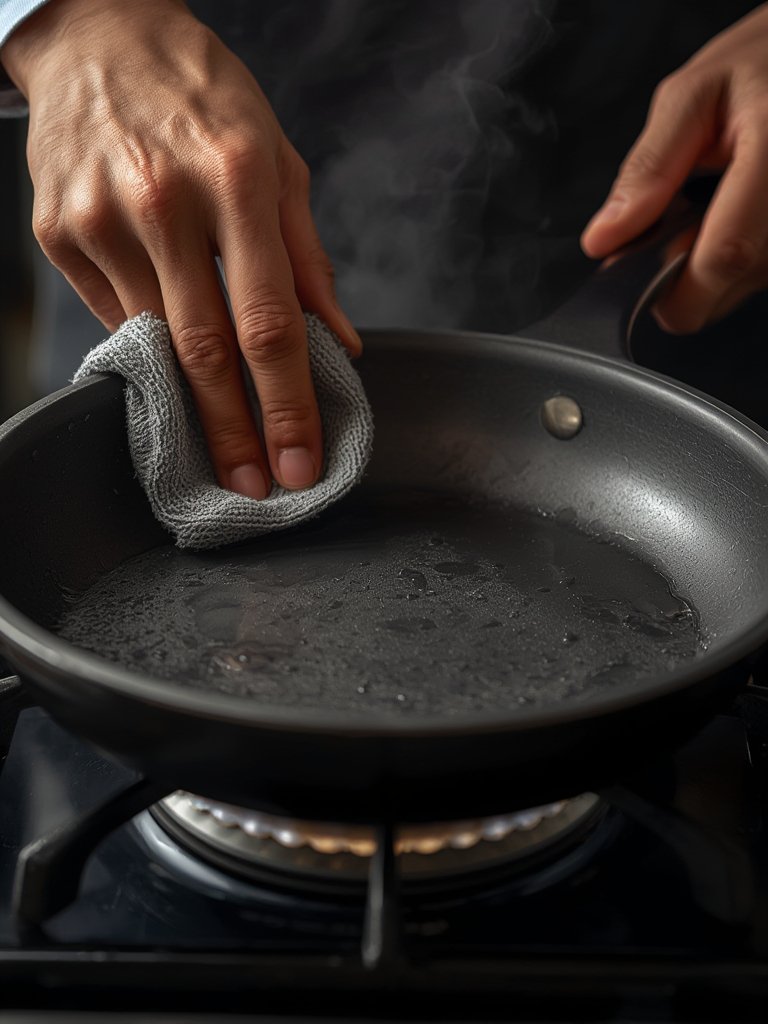
Maintaining your nitrided carbon steel pan:
- Don’t soak or dishwasher-wash (manual care only).
- After each use, wipe out crumbs and rinse with hot water. If needed, scrub lightly with a soft scrubber—no steel wool.
- Quick dry over heat and add a dab of oil if storing for a while.
This streamlined care routine works because nitrided pans resist rust and abrasion far better than untreated versions. No need for constant vigilance—in fact, their forgiving nature is what sets them apart.
Advanced Analysis & Common Pitfalls
Nitrided carbon steel pans aren’t perfect. Here’s a realistic look at what can go wrong—and how they stack up to traditional carbon steel and cast iron alternatives.
| Feature | Nitrided Carbon Steel Pan | Standard Carbon Steel Pan | Cast Iron Skillet |
|---|---|---|---|
| Weight (12-inch) | ~4.7 lbs | ~4.8 lbs | ~6.6 lbs |
| Seasoning Difficulty | Easy, fast, even | Easy, needs 5-6 uses | Somewhat tricky, sticky spots, uneven |
| Rust Resistance | Excellent | Modest | Fair (prone to rust if left damp) |
| Impact Resistance | High (hardened layer) | Moderate | Low (prone to cracking if dropped) |
| Heat Tolerance | ~1200°F | ~1200°F | ~1200°F |
| Price Range (2024) | Unknown/lacking data | Unknown/lacking data | Unseasoned: usually lower than pre-seasoned |
- Pitfall 1: High Heat May Still Warp — While nitriding makes the pan harder, any thin carbon steel can warp if preheated empty on high for too long.
- Pitfall 2: Over-seasoning Leaves Sticky Residue — The nonporous nitride layer makes it easy to overseason, which causes sticky patches. Always use a light layer of oil.
- Pitfall 3: Price, Availability, and Authenticity — Reliable price data is scarce, and high-end nitrided pans may be counterfeited or misrepresented in online shops compared to classic options. Research brands carefully.
- Pitfall 4: Not Dishwasher/Get-it-and-forget-it — All carbon steel (nitrided included) needs handwashing and cannot be left wet, or it will eventually show surface oxidation.
Some of these pitfalls are universal to carbon steel or cast iron, especially if you’re new to owning “professional” cookware. For context, the cast iron cookware market remains the largest, partly due to its forgiving personality—but nitrided carbon steel is catching up, especially in performance-conscious kitchens.
When you’re collecting tools, it’s smart to think about how a pan fits into your overall kitchen workflow. You might consider pairing it with a good potato masher or garlic press for versatile stovetop recipes.
Conclusion
Nitrided carbon steel pans offer a distinct advantage for cooks who want the best of both worlds—professional heat response and easy maintenance, without the weight and fragility of cast iron. While data and reviews specific to nitrided pans are limited, the core benefits—rust prevention, fast seasoning, and remarkable toughness—are clear. If you’re upgrading your kitchen, don’t overlook the potential of a nitrided carbon steel pan alongside other smart tools like a mortar and pestle set or a reliable rolling pin. Ready to try one? Elevate your next sear or sauté with the power of nitrided carbon steel—explore reputable brands today.
FAQ: Nitrided Carbon Steel Pans
Do nitrided carbon steel pans need seasoning?
Yes, although the nitrided surface makes it much easier and less prone to rust. Season as you would a regular carbon steel pan, but use a thin layer of oil to avoid sticky build-up.
How is a nitrided carbon steel pan different from untreated carbon steel?
Nitriding creates a hardened, rust-resistant layer on the surface. This means the pan is more resistant to wear, rust, and dents, and it seasons more evenly.
Is food safety affected by the nitriding process?
No evidence suggests that nitriding has any negative health impact. The process is used in many food-grade applications and only alters the steel’s surface hardness and corrosion resistance.
Can you use nitrided carbon steel on induction or glass stovetops?
Absolutely. Nitrided carbon steel pans perform well on induction cooktops, gas, or glass stovetops. Just ensure the bottom remains flat for even contact.
Why is there little pricing or review data available for nitrided carbon steel pans?
Nitrided pans are still a specialty market, mainly used by professional chefs. Limited consumer availability and fewer brands contribute to scarce pricing and review data.
—