

Wood pellet grill technology is changing how backyard cooks and barbecue lovers achieve real wood-fired flavor at home, but is a pellet grill right for you? Let’s break down what works, who’s buying, what’s new, and what you should look out for.
Key Takeaways
- The wood pellet grill market is expanding rapidly, driven by new technology and growing backyard demand in the U.S.
- WiFi connectivity and app control bring real improvements in ease and temperature control—even for beginners.
- Look out for models with reliable temperature regulation and efficient pellet feeding, but be mindful of persistent issues or lack of granular product information.
- What Is a Wood Pellet Grill and Why Choose One?
- Step-by-Step Guide: Picking & Using a Wood Pellet Grill
- Advanced Analysis & Common Pitfalls
- Conclusion
- Frequently Asked Questions
What Is a Wood Pellet Grill and Why Choose One?
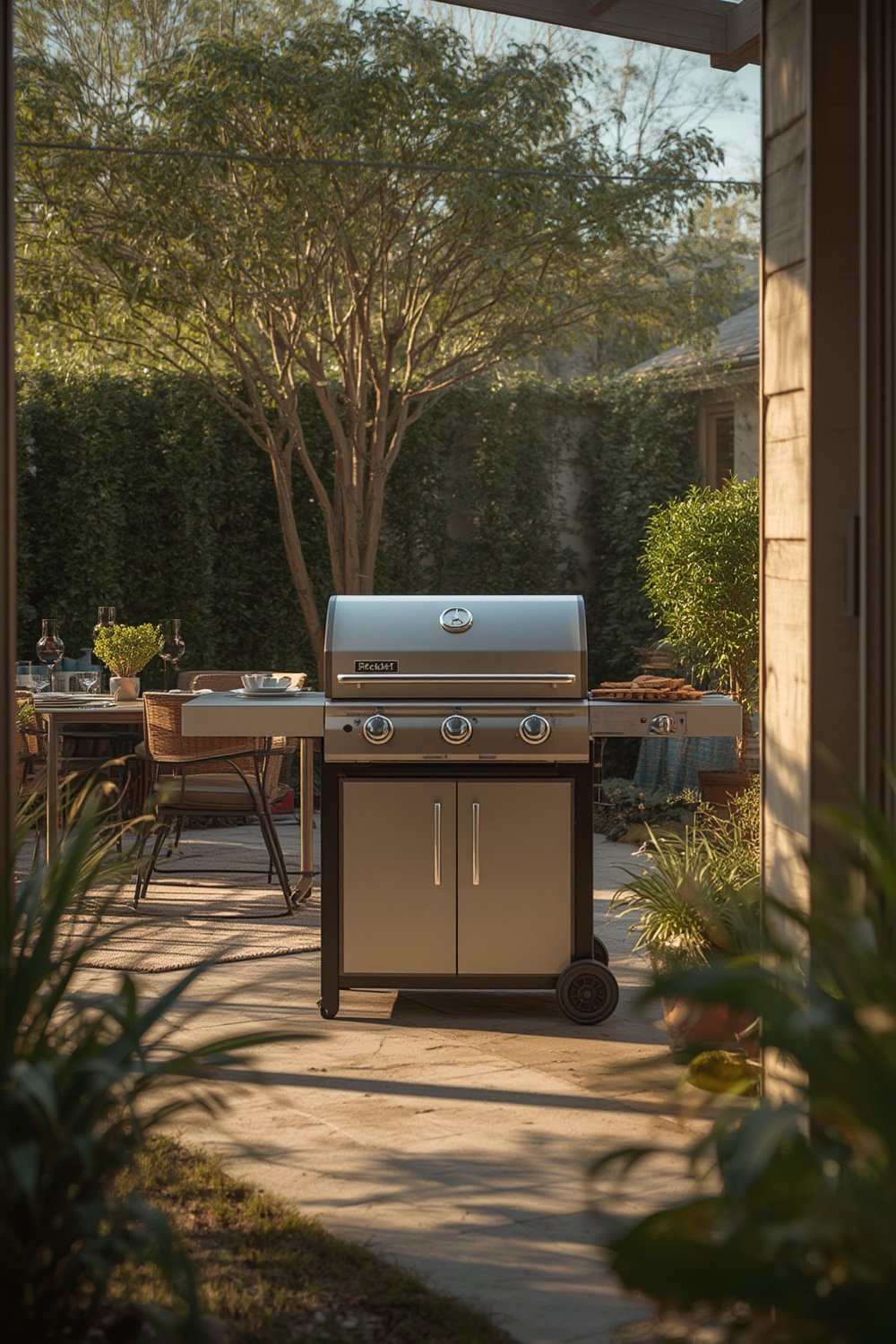
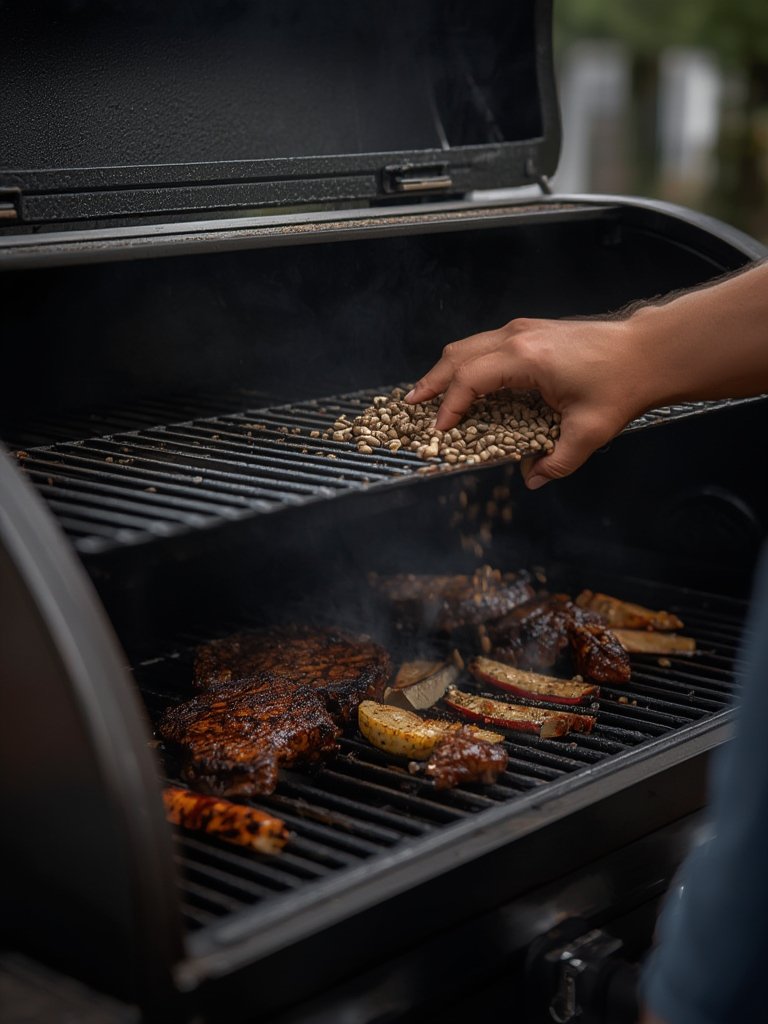
A wood pellet grill is an electric outdoor cooker that burns compressed wood pellets for heat and smoke, letting you grill, smoke, roast, bake, or even sear your favorite foods with wood flavor—without constant babysitting.
What makes wood pellet grills stand out? Unlike classic charcoal or gas grills, pellet models use automated temperature control and a hopper-fed auger to keep pellets burning steadily. Top models from brands like Traeger, Green Mountain Grills, Pit Boss, and Camp Chef have upped the ante with WiFi, Bluetooth, and app connectivity. This means you can set, monitor, and adjust your cooking remotely—even while prepping salad in the kitchen or watching the game.
The market agrees: in North America, and especially the U.S., pellet grills are booming. With over $1.5 billion global market value by 2025 and a steady compound growth rate of around 8% through 2033, demand is surging, especially for residential users (source, source).
Step-by-Step Guide: Picking & Using a Wood Pellet Grill
Ready to get started? Here’s a straightforward path for choosing and using your first wood pellet grill—and getting the most from it.
- Identify Your Use Case: Are you cooking for a crowd or just your family? Compact pellet grills (under 320 square inches) work best for portability and small patios; full-size models suit big gatherings.
- Compare Available Features: Look for reliable digital control panels, WiFi/app integration (for remote monitoring), and durable parts. Read up on top brands—Traeger, Green Mountain Grills, Pit Boss, Z Grills, and Camp Chef all offer new models with compact and mobile designs (source).
- Assess Temperature Control: Consistency is key. Higher-end models tend to have better insulation and smarter feeding systems, but be realistic about occasional swings (especially in extreme weather or wind).
- Check Portability and Build: If you like tailgating or camping, lightweight grills with foldable legs are a bonus. For home, prioritize robust build and good warranty—even if exact specs aren’t always advertised post-2023.
-
Experiment with Recipes: Start with forgiving cuts like brisket, pork shoulder, or ribs. Leverage “set-and-forget” temp controls for consistent barbecue, then branch into pizza or seafood using high-heat or direct flame sear features.
For more kitchen inspiration, see our guide to choosing a salad spinner for prepping greens to pair with smoked meats.
Want to streamline prep and cleanup? Consider tools like a stainless steel cheese grater for fresh toppings or a manual food chopper to cut veggies for grill skewers.
Advanced Analysis & Common Pitfalls
Despite market growth and improved designs, even today’s top wood pellet grills face some repeated complaints and challenges. Based on aggregated market research from 2024 to 2026:
- Temperature Fluctuations: Users report swings, especially in budget models or exposed outdoor conditions. Innovation is reducing this issue, but stable “true temp” is not foolproof—expect some learning curve.
- Pellet Feeding & Jamming: Some auger systems may clog if pellets absorb moisture or become misshapen. Always store pellets in a dry, sealed container.
- Warranty Information Scarcity: Latest models after 2023 often do not list clear warranty terms or part/material specs up front—double check before you buy.
- WiFi/App Glitches: App features are a game changer, but connectivity may sometimes drop, especially if your home WiFi is weak outside.
- Portability Isn’t Always Efficient: While compact grills are easy to move and store, results can vary regarding heat output and pellet consumption—but little direct data is available for precise comparisons.
| Feature | Full-Size Models | Compact/Portable Models |
|---|---|---|
| Cooking Area | 450 to 900+ sq in | 150 to 320 sq in |
| Typical Use | Large families, backyard parties | Apartment patios, RV, travel |
| Ease of Transport | Low | High |
| Fuel Consumption | Higher per cook | Generally lower (but data limited) |
| Temperature Range | 150°F–500°F | Often limited, usually similar |
Looking to improve kitchen convenience further? Check out our magnetic knife holder guide to keep your prep space organized.
For tasks where direct heat is key (like crisping pizza or roasting poultry), pellet grills with “direct flame” modes—often found on new models—offer added versatility. Compare these features with other kitchen tech in our LG induction range review for a broader smart cooking overview.

Conclusion
The wood pellet grill is no longer a niche gadget—it’s a mainstream tool for home cooks who want wood-smoked results with modern convenience. Growth in the U.S. proves pellet grills deliver on both flavor and foolproof control. But if you want the best experience, watch for models with real insulation, robust WiFi/app control, and brands that clearly state warranty details. Start simple, experiment with new recipes, and embrace the hybrid of tradition and tech.
If you’re serious about upgrading your barbecue, a wood pellet grill can transform your backyard cooking. Explore model comparisons, ask questions, and get grilling—the time to learn is now.
Frequently Asked Questions
Are wood pellet grills hard to clean?
Not really! Most models have drip trays and easy-pull burn pots. Make a habit of emptying the ash and wiping grates after each session.
Can I use regular wood chips instead of pellets?
No—wood pellet grills require specifically made food-grade pellets. Standard chips can jam the mechanism and harm food safety. Pellet options include apple, hickory, mesquite, and more.
Do pellet grills work in winter or rain?
Yes, but cold and wind may impact performance. Use a grill blanket or insulated cover for best results, and always check the hopper lid is dry to protect your pellets.
Is WiFi/app control really worth it?
Yes for most users—it lets you monitor, adjust, and set alerts for cooking without hovering by the grill. Just make sure your WiFi signal reaches your grilling spot.
How do pellet grills compare to portable air fryers or compact espresso machines?
Pellet grills are about outdoor, wood-fired cooking with smoke. For quick indoor results, see our guides on portable air fryers or compact espresso machines—each appliance shines for different foods and needs.