

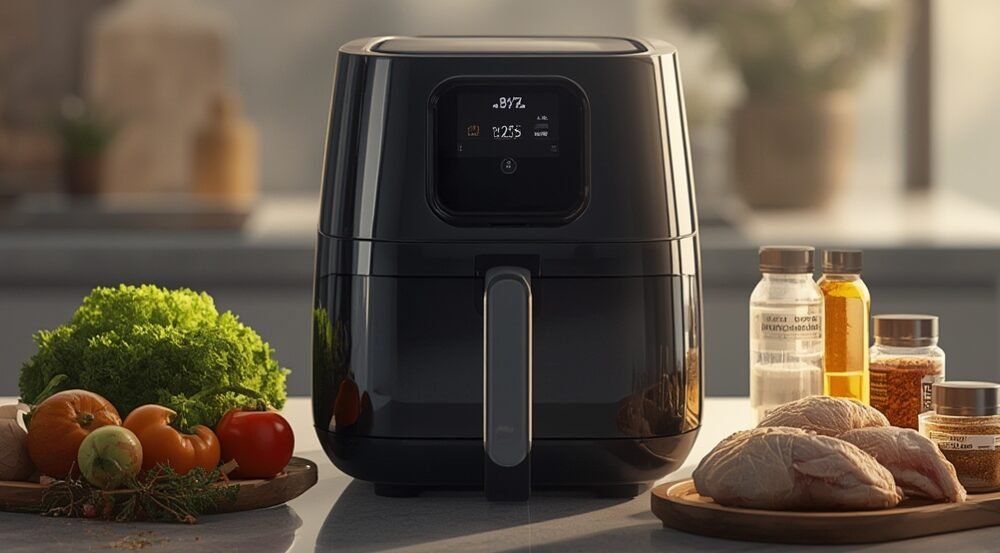
AI air fryer technology is changing how home cooks manage everyday meals, with the latest digital models promising smarter, healthier, and more convenient cooking. But are these claims realistic, and what should you know before upgrading your kitchen? This guide reveals the key facts—no hype, just the real story, the real stats, and actionable tips on picking and using AI-powered air fryers in 2024.
Key Takeaways
- Global adoption of AI air fryer tech surged 18% in 2024, led by the US, Europe, and Asia Pacific.
- AI-powered models focus on convenience, connected controls, and more consistent results, but real-world performance varies.
- Premium features like multi-zone cooking and IoT come at a higher price, but may not meet every user’s expectations.
- What Is an AI Air Fryer and Why Is It the Next Step?
- How to Buy and Use an AI Air Fryer: Step-by-Step Guide
- Advanced Analysis & Common Pitfalls: What to Know Before You Buy
- Conclusion
- Frequently Asked Questions
What Is an AI Air Fryer and Why Is It the Next Step?
An AI air fryer is a kitchen appliance that combines hot air circulation with artificial intelligence to manage recipes, adjust cooking time and temperature, and connect with your smart home ecosystem. In 2024, adoption is accelerating. Global sales for digital air fryers—many now equipped with AI-based programs—have grown by 18% year-over-year, with over 42% of North American households projected to own one by 2025 (source).
What makes these appliances “AI” isn’t sentience, but algorithm-driven presets: they auto-adjust cooking cycles, offer smart app connectivity, and can even recommend recipes based on user habits. This is a significant leap from the manual-dial traditional air fryer.

The rise in popularity is rooted in three trends:
- Busy, health-conscious families demanding convenience and more consistent results
- Manufacturers like Philips, Ninja, and Cosori driving innovation in the US and Europe (market report)
- App ecosystems and IoT integration now standard in premium models
Comparing older air fryers with AI-powered ones, you’ll notice digital controls, multi-zone capabilities, and remote monitoring. It looks exciting on paper, but are these advances always practical—or even necessary—for the average home cook?
How to Buy and Use an AI Air Fryer: Step-by-Step Guide
-
Decide What Matters for You
Start with needs: do you want app control, auto-adjust presets, or just reliable basic frying? AI features add cost, but may not always improve results. -
Set a Realistic Budget
Next-generation AI/IoT/multi-zone models saw the average selling price rise to $142 in 2025, up from $79 in 2020 (source). Less expensive models might still offer smart presets, but not true AI features. -
Check App and Smart Home Compatibility
Look for appliances with a mature app ecosystem and regular firmware updates. True AI-based digital air fryers are often distinguished by their seamless IoT and smart home positioning (market data). -
Review Wattage and Preheating Speed
Models with 1,500–1,700 W are now fastest-growing for fast preheat and versatile cooking (industry analysis). -
Look for Real-World Reviews
Manufacturers promote AI presets for convenience, but independent tests and user experiences on actual cooking accuracy are still limited. Check forums and consumer sites to spot red flags. -
Explore the Features, Not Just the Hype
Multi-zone cooking, integrated recipe apps, and AI-powered recommendation engines are premium—but assess if you’ll truly use them.- Bonus: Always check for dishwasher-safe baskets or pair with air fryer silicone liners for faster cleanup.
-
Unbox and Calibrate
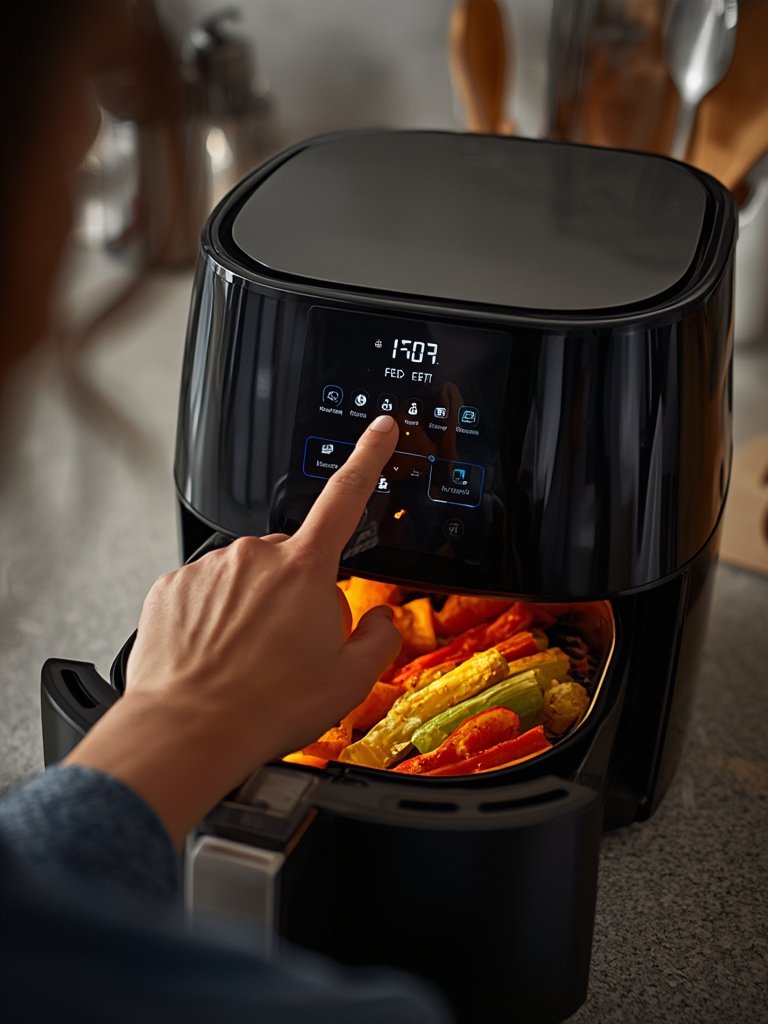
When your unit arrives, run a quick test—cook a familiar food, compare to your old method, and learn the AI system’s quirks. Fine-tuning may be needed to match your taste.
If you want to upgrade the rest of your kitchen as well, explore innovative options like a heavy duty potato masher or a stainless steel garlic press for your prep station.
Advanced Analysis & Common Pitfalls: What to Know Before You Buy
AI air fryers may look like the pinnacle of kitchen tech in 2024, but not every user will actually benefit from the added complexity. Here is a breakdown of what could go wrong—or simply underwhelm—along with features to watch for, especially if you are coming from a basic air fryer or considering a premium investment.
| Feature | Potential Pitfall | How to Address It |
|---|---|---|
| AI Cooking Presets | Results may vary, especially with undercooked or overcooked foods. Lack of third-party test data for preset accuracy. | Test each main recipe and note adjustments. Don’t expect “set it and forget it” perfection on first use. |
| App Control | Connectivity issues, potential privacy concerns, and app bugs can frustrate day-to-day use. | Update firmware and app often. Limit appliance permissions on your network when possible. |
| Multi-zone Cooking | Learning curve: foods in different zones may cook unevenly during first attempts. | Follow manufacturer’s guides for placement and set shorter timer intervals to check doneness. |
| Premium Price | Features like IoT integration and AI can double the price compared to basic models, without guaranteed real-world benefits. | Weigh true needs against added cost. Consider if basic digital controls will meet your needs. |
| Lack of Independent Testing | Very few third-party reviews confirm AI preset effectiveness over manual control. | Seek out real user feedback and online forums, not just the product page marketing. |
Common issues from early adopters (based on indirect trend data and forum reports): initial recipes may need tweaking, app integration is not always seamless, and premium features don’t always translate to better-tasting results. Battery life is not a concern for these appliances, but Wi-Fi reliability and privacy of app data could be.
If you’re focused on kitchen safety and health, pairing your AI model with a non-toxic air fryer basket or using air fryer silicone liners can further simplify cleanup and reduce chemical exposure.

Conclusion
AI air fryer adoption surged worldwide in 2024 for good reason: digital controls, app-based management, and AI-driven presets promise better results and more convenience. The global air fryer market is growing fast, especially in North America and Asia Pacific, and leading brands are racing to add AI features. But the truth is, AI air fryers are not a magic kitchen fix. Real-world accuracy, app reliability, and recipe consistency still depend on user trial and error—and in many cases, on incremental firmware upgrades.
If you want a balance of convenience, control, and health, an AI air fryer is worth considering—if you are willing to test, tweak, and not overpay for features you won’t actually use. For best results, integrate a few trusted kitchen tools like a mortar and pestle or a time-saving avocado slicer tool. Ready to pick your own AI air fryer for a smarter (and possibly easier) kitchen in 2024? Compare, review, and try one—then teach it what works for you!
Frequently Asked Questions
What exactly makes an AI air fryer different from a smart or digital air fryer?
AI air fryers use advanced algorithms to adapt temperature and cook time dynamically, learn your preferences, and suggest recipes over time. In contrast, digital/smart air fryers may just follow fixed presets or allow simple app control with limited automation.
Are AI air fryers worth the extra cost compared to standard models?
If you regularly use advanced presets, value app integration, and want maximum convenience, yes. But many users find that a basic digital air fryer can deliver most results at a lower price if you cook the same dishes often and don’t mind manual settings.
Can AI air fryers be integrated into my existing smart home system?
Top-tier AI air fryers launched in 2024 are increasingly compatible with Google Assistant, Alexa, and similar platforms. Always check the manufacturer’s compatibility info and app support before buying.
Is privacy a realistic risk when using app-connected AI air fryers?
While no major breaches have been reported, app-based appliances could expose household habits and Wi-Fi information. Use unique device passwords, secure your home router, and review privacy policies on the manufacturer’s site.
How do I clean an AI air fryer, and do the AI features affect this?
The cleaning process is the same as traditional air fryers: remove the basket and tray, hand-wash or use dishwasher-safe liners. The main AI functions do not affect how you clean the appliance. For convenience, use air fryer silicone liners.