

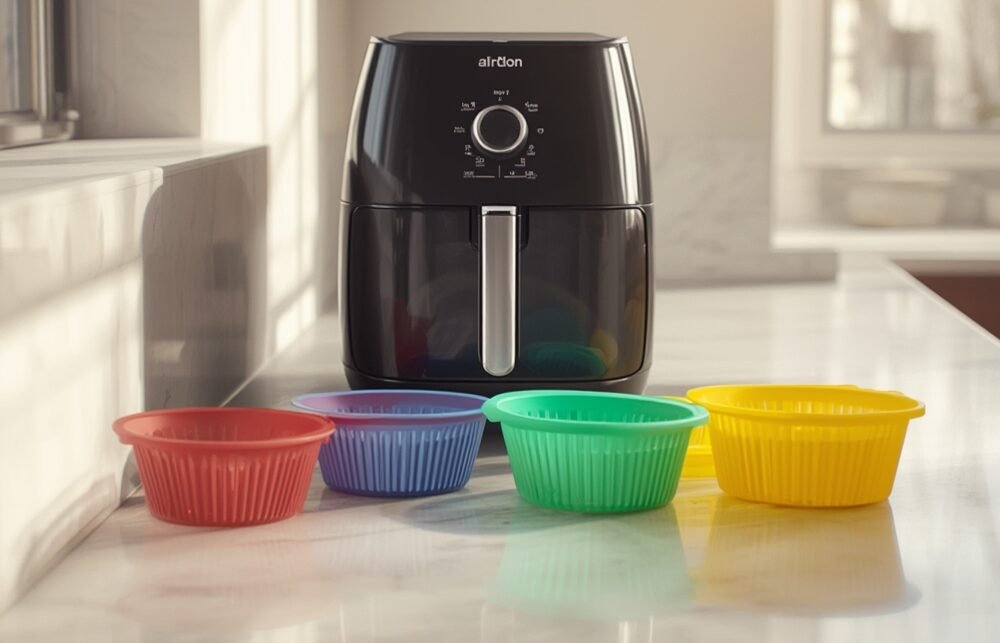
Air fryer silicone liners are changing the way home cooks use air fryers, making cleanup faster, saving money, and reducing household waste—all while protecting your appliance. But with hundreds of options, confusing certifications, and hidden pitfalls, it’s easy to make the wrong choice. Here’s exactly what you need to know to choose and use the right liner for your kitchen.
Key Takeaways
- Air fryer silicone liners deliver better reusability, non-stick performance, and ease of cleaning versus disposable parchment paper.
- The best dishwasher-safe liners are food-grade, flexible, and often range from $8 to $20 for top sellers, with global sales surging annually.
- Watch for brand durability issues and verify that your liner is food-safe for high-heat air frying.
- What Are Air Fryer Silicone Liners and Why Use Them?
- How To Use Air Fryer Silicone Liners (Step-by-Step)
- Advanced Analysis & Common Pitfalls
- Conclusion
- Frequently Asked Questions
What Are Air Fryer Silicone Liners and Why Use Them?
Air fryer silicone liners are flexible inserts made from food-grade silicone that sit in the basket or tray of your air fryer. Their main job is to catch drips, crumbs, and grease, preventing food from sticking and making cleanup simple. Unlike disposable parchment paper, they’re designed for repeated use—often hundreds of cycles—and withstand high temperatures without burning or curling.
The popularity of these liners is skyrocketing: The global market was valued between $410 million and $1.2 billion in 2024 and is projected to grow at over 9% CAGR through 2033, with reusable silicone products leading demand in North America and Asia-Pacific stocks growing fastest. See industry stats.
Air fryer silicone liners offer key advantages:
- Boost non-stick performance (less scrubbing after cooking)
- Lower environmental impact by replacing single-use liners
- Save money in the long run versus disposables
- Fit most air fryer baskets and trays thanks to their flexibility
How To Use Air Fryer Silicone Liners (Step-by-Step)
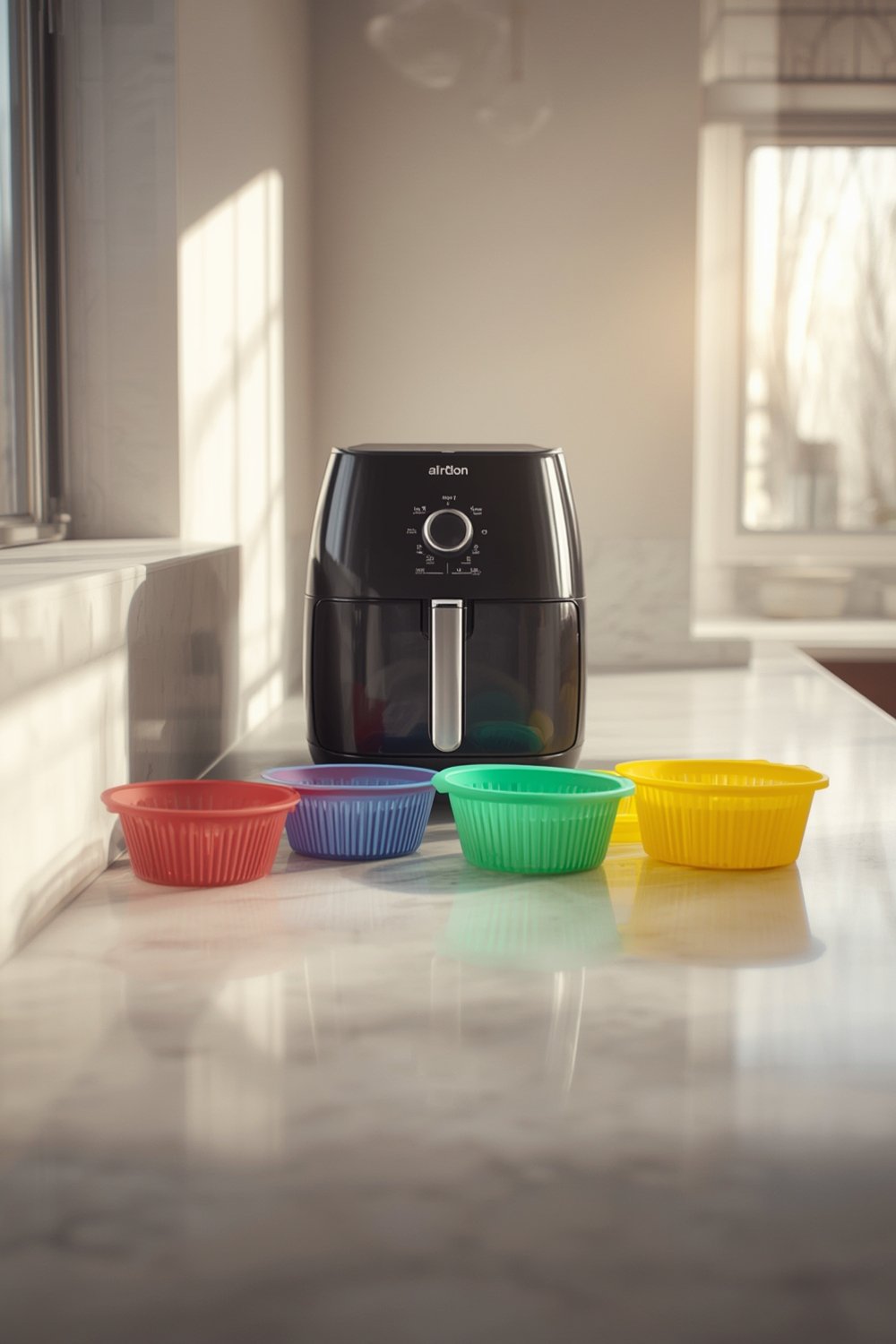
- Choose the correct size: Your liner should fit the base of your air fryer basket without blocking airflow holes. Measure your basket and select accordingly—most liners are designed to work across common air fryer brands.
- Inspect before first use: Wash the liner with warm soapy water when new. Check for manufacturer markings like “BPA free” or “LFGB certified” if listed—these matter for food safety, especially at high heat.
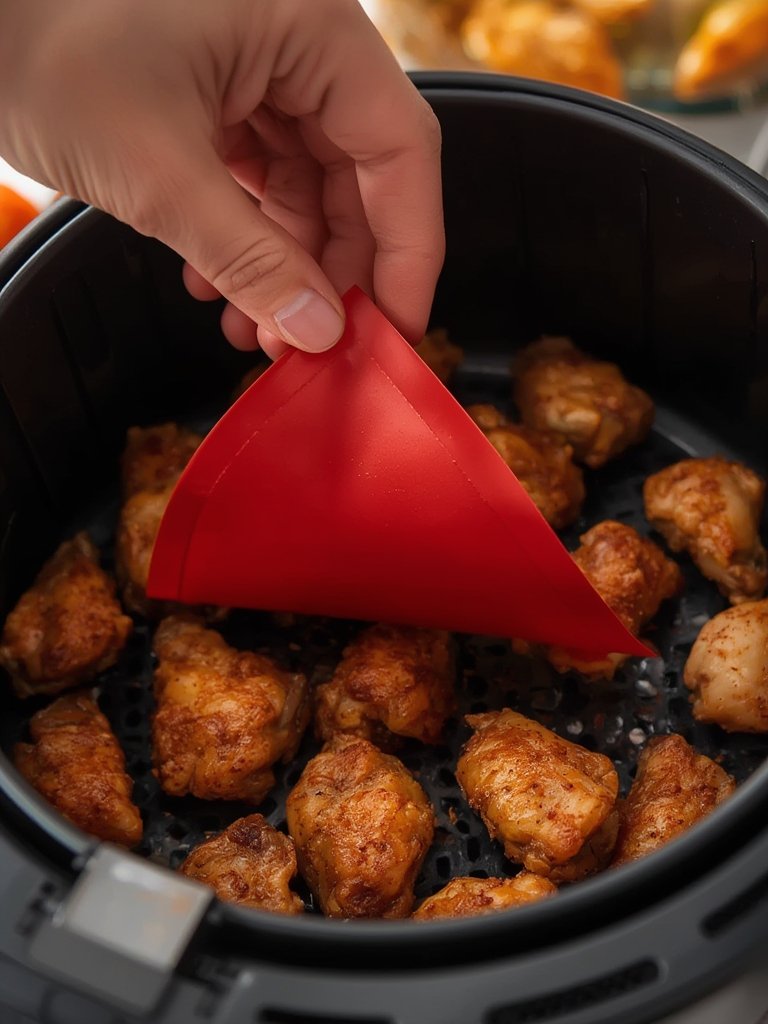
- Place in the basket: Insert the silicone liner in the basket or tray before adding food. The flexible material should sit flat, not up the sides or over vents.
- Add food and cook normally: Air fry as usual, keeping in mind that very wet batters may still stick. The liner helps prevent food residue but isn’t foolproof for everything.
- Cool and clean: Let the liner cool after removing your food. Most liners are labeled dishwasher safe—top rack is best—or wash by hand with hot water and a soft cloth.
- Inspect for damage: Silicone can wear, especially if you cut on it or use metal tools. Replace liners showing deep cuts, staining, or any melted spots.
To extend liner life:
- Never cut food directly on the liner—soft silicone is prone to slicing.
- Choose liners marked “dishwasher safe” for easy cleaning but avoid aggressive scrubbing.
- Rotate between two liners if you air fry often—top brands like AKSDTH 2-Pack sell over 15,000 sets per month because of their durability and ease of care. More on best sellers.
Looking for more smart kitchen tips? See our guides on tools like the stainless steel dough scraper, manual food chopper, and kitchen organization tools to level up your meal prep.
Advanced Analysis & Common Pitfalls
Despite strong market growth and clear benefits, air fryer silicone liners aren’t perfect. Certain issues crop up repeatedly, especially with cheaper or generic models.
- Durability concerns: Some users report tearing, warping, or discoloration after frequent use or exposure to super-high temperatures. Avoid liners that feel very flimsy or thin—top sellers are usually thicker and more robust.
- Fit issues and airflow blockage: Liners that block basket vents or are too large can reduce hot air circulation, resulting in unevenly cooked food. Always size carefully and, if needed, trim for a custom fit.
- Unverified safety claims: Not every silicone liner on Amazon is food-grade, despite the labeling. Look for at least “BPA free,” and ideally, FDA or EU LFGB food-contact certifications. Market data suggests most mainstream brands comply with these, but always check packaging or listings. See food safety influence.
- Price sensitivity: In some markets, buyers feel that quality silicone liners are still expensive compared to the cost of parchment paper, although annual savings usually offset this.
| Feature | Silicone Liner | Parchment Paper |
|---|---|---|
| Reusability | Hundreds of uses | Single-use |
| Max temperature* | Typically up to 446°F (230°C) | Usually up to 428°F (220°C) |
| Food release | Superior non-stick | Good, but sticks with wet foods |
| Food safety | Depends on certification | Generally food safe |
| Environmental impact | Much lower waste | High single-use waste |
*Always check actual packaging for temperature limits.
If you want to further protect your kitchen surfaces, check out our review of the best countertop mats for kitchens.
Conclusion
Air fryer silicone liners are a game-changer for anyone who wants cleaner results, easier cleanup, and less waste in the kitchen. They’re dominating the market for a reason: superior non-stick properties, flexibility, and long-term savings versus disposables. Always select a food-safe, dishwasher-friendly liner sized for your fryer—and don’t ignore real durability or airflow pitfalls.
Ready to upgrade your routine? Browse top-rated options and enjoy all the benefits of air fryer silicone liners for smarter, easier cooking now.
Frequently Asked Questions
Are all air fryer silicone liners dishwasher safe?
Most reputable liners are labeled dishwasher safe, but always check the product description. For longest life, place them on the top rack and avoid harsh detergents.
Are silicone liners safe for high-heat frying?
Food-grade silicone liners are generally safe up to 446°F (230°C), but confirm the temperature rating on the packaging. Only use liners that specify they’re made for air fryer or oven use.
Do silicone liners affect air frying performance?
When sized correctly, silicone liners shouldn’t hinder frying. If they block air vents or overhang the basket, air circulation suffers and food may cook unevenly—trim if needed.
How do I know a liner is food-safe?
Look for certifications like “BPA free,” “FDA approved,” or “LFGB certified” in the description or packaging. Stick to well-known brands and avoid liners with strong chemical smells or poor reviews.
How do silicone liners compare cost-wise to using parchment paper?
Silicone liners cost $8-$20 up front, but can be reused hundreds of times. Over a year of regular use, you’ll likely save money and reduce single-use waste. For more organization tips, check our guide to fridge storage containers.
[…] Always check for dishwasher-safe baskets or pair with air fryer silicone liners for faster […]
[…] and tricky cleaning (especially behind heating elements). Using a dishwasher-safe basket or a reusable liner addresses most mess […]