

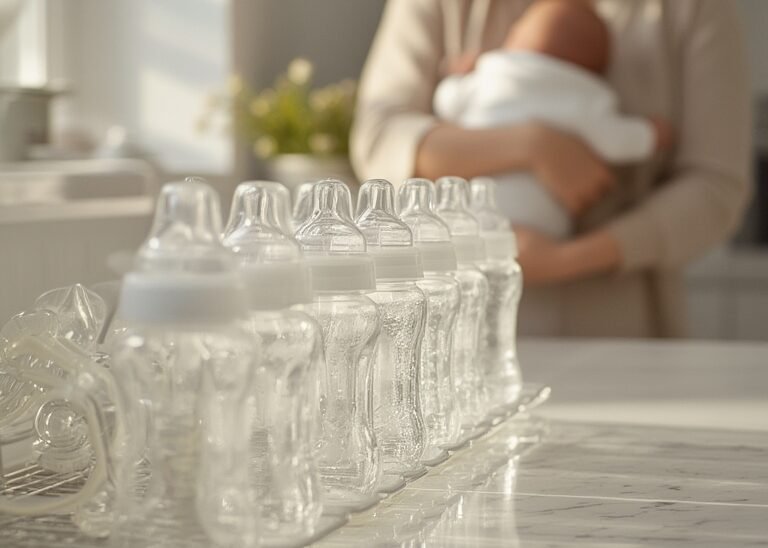
If you’re considering a baby bottle washer for easier bottle cleaning, you’re not alone. Modern parents want practical solutions for hygiene and convenience, but it’s tough to cut through the hype and find what really works. This guide gives you concrete steps, realistic issues to consider, and the latest insights—so you can decide if a baby bottle washer fits your real-world needs.
Key Takeaways
- The baby bottle washer segment is the fastest-growing part of the global baby cleaning market, but real performance data is limited.
- Most advertised benefits focus on time savings and hygiene, yet little third-party evidence exists for major brands’ claims.
- Careful consideration of compatibility, running costs, and cleaning needs is essential before investing.
- What Is a Baby Bottle Washer and Why Do Parents Want One?
- How to Use a Baby Bottle Washer: Step-by-Step Guide
- Advanced Analysis: Pitfalls, Problems, and Comparisons
- Conclusion: Should You Buy a Baby Bottle Washer?
- Frequently Asked Questions
What Is a Baby Bottle Washer and Why Do Parents Want One?
Baby bottle washers are automatic appliances designed to clean (and sometimes sterilize and dry) bottles, pump parts, and accessories. The goal is to reduce hand scrubbing and provide a more hygienic, efficient alternative to manual methods or standard dishwashers.
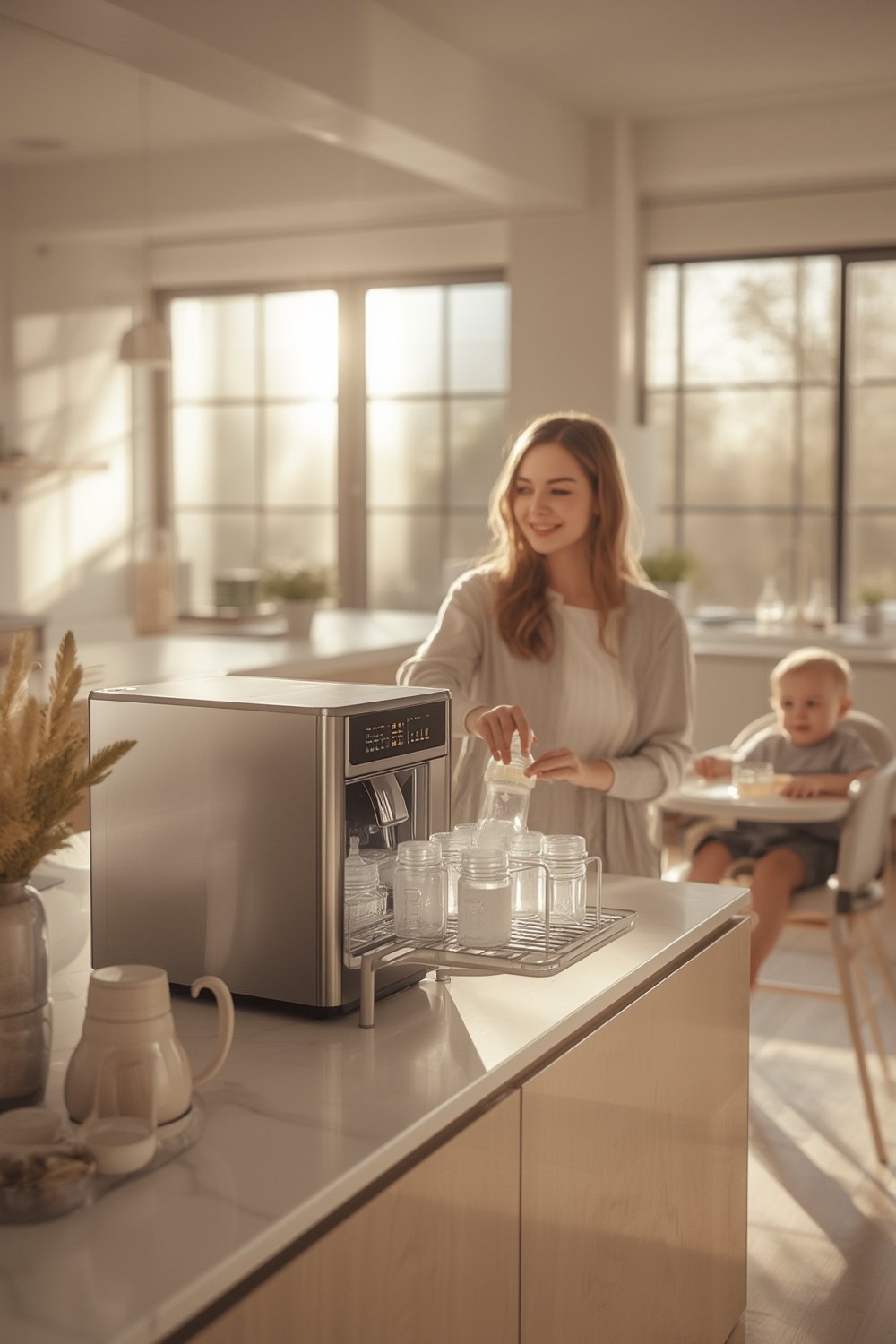
They typically use targeted spray jets, dedicated racks for bottle parts, and some add heat sterilization or forced air drying cycles. Combo models combine washing, sterilizing, and drying in one device. As global hygiene awareness and parental convenience trends rise, the bottle wash segment leads the baby cleaning product market’s growth.
Parents want reliable ways to ensure bottles and pump parts are thoroughly cleaned, especially for newborns, when immune systems are most vulnerable. Automating this task can free up valuable time and provide peace of mind—if the device delivers as promised.
If you’re outfitting your kitchen for parenthood, you might also check out guides for other essential tools, like manual food choppers or salad spinners for meal prep.
How to Use a Baby Bottle Washer: Step-by-Step Guide
- Preparation: Disassemble all bottle components. Rinse off visible milk or formula residue under running water.
- Loading: Arrange bottles, nipples, collars, caps, and pump parts on the washer racks. Check for secure placement—misaligned parts may not get fully cleaned.
- Add Detergent: Use baby-safe detergent or the recommended tablet or liquid. Don’t overfill, as excess suds can interfere with operation.
- Choose Cycle: Select a cleaning cycle based on soiling (most washers offer standard and extra-clean/sterilize options). Some include drying; others need manual air-drying.
- Run the Machine: Start the cycle. Avoid interrupting it—interruptions can reduce cleaning efficiency and increase spots or residue.
- Unload Carefully: Once finished, let parts cool if sterilized. Inspect for leftover milk or water spots and re-wash manually if needed.
- Routine Maintenance: Clean washer filters and nozzles weekly, and periodically run a cleaning cycle with vinegar or manufacturer-approved cleaner.
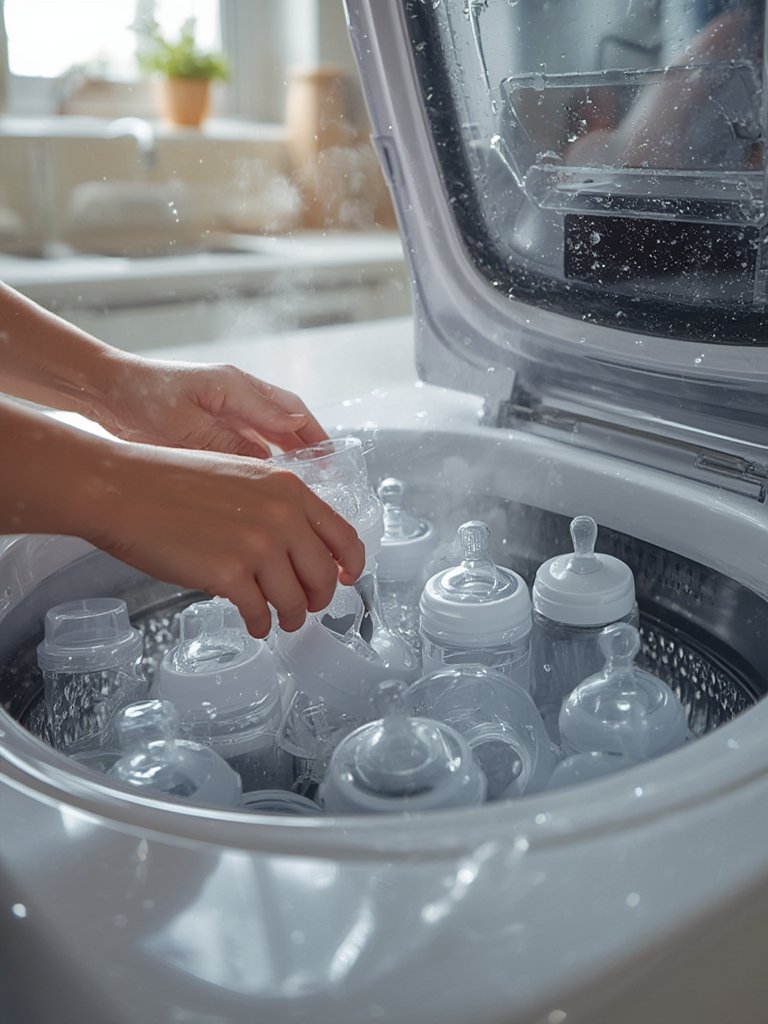
For parents interested in optimizing bottle drying post-wash, consider pairing your washer with a high-quality drying mat for bottles and dishes to prevent water spots and keep counters dry.
Advanced Analysis: Pitfalls, Problems, and Comparisons
Not every baby bottle washer lives up to marketing claims. Here are some important challenges and realistic issues:
- No Universal Compatibility: Most washers fit standard neck bottles, but wide neck, angled, or extra-large bottles may not seat properly, leaving them partially unwashed. Many pump parts and specialty sippy cups need adapters or can’t be cleaned effectively in some washers.
- Stubborn Residue: Formula and breast milk can leave oily films that even top washers sometimes miss, particularly if bottles sit for hours before washing. Manual pre-rinsing is often still needed.
- Sterilization Claims: Despite marketing, third-party lab tests and certification proof are rare in this segment. Be skeptical of absolute germ-kill promises—especially without published certifications or test results.
- Cost vs. Value: Upfront prices for leading washers range from mid to high, with ongoing costs for detergents and periodic cleaning. In contrast, hand washing requires basic supplies but more labor.
- Maintenance Burden: Failure to clean filters, spray arms, and internal hoses leads to mold or mildew odors, as well as loss of cleaning power over time.
| Cleaning Method | Upfront Cost | Ongoing Costs | Time Required | Effectiveness |
|---|---|---|---|---|
| Manual Hand Washing | Low | Minimal (soap, brushes) | High | Variable by effort |
| Standard Dishwasher | Med/High (if new) | Detergent, water, energy | Moderate (colander for rinsing helps) | Good (may miss hidden rims/nipples) |
| Baby Bottle Washer (Standalone) | High | Special detergent pods/liquid | Low for parents | Good (if bottle shape fits) |
| Washer/Sterilizer/Dryer Combo | Highest | Special detergent, more cleaning cycles | Lowest for parents | Good to Very Good (if compatible) |
Market research shows North America leads bottle washer and sterilizer sales, followed by the Asia-Pacific, especially Japan, which has the highest projected growth (source). However, most products lack transparent technical specifications or third-party hygiene certifications. Make sure to investigate a model’s compatibility list, cleaning cycles, and maintenance needs before purchasing.
Related home organization projects—like upgrading your kitchen organization tools or adding a sink mat—often go hand-in-hand with raising your standards of hygiene and ease.
Conclusion: Should You Buy a Baby Bottle Washer?
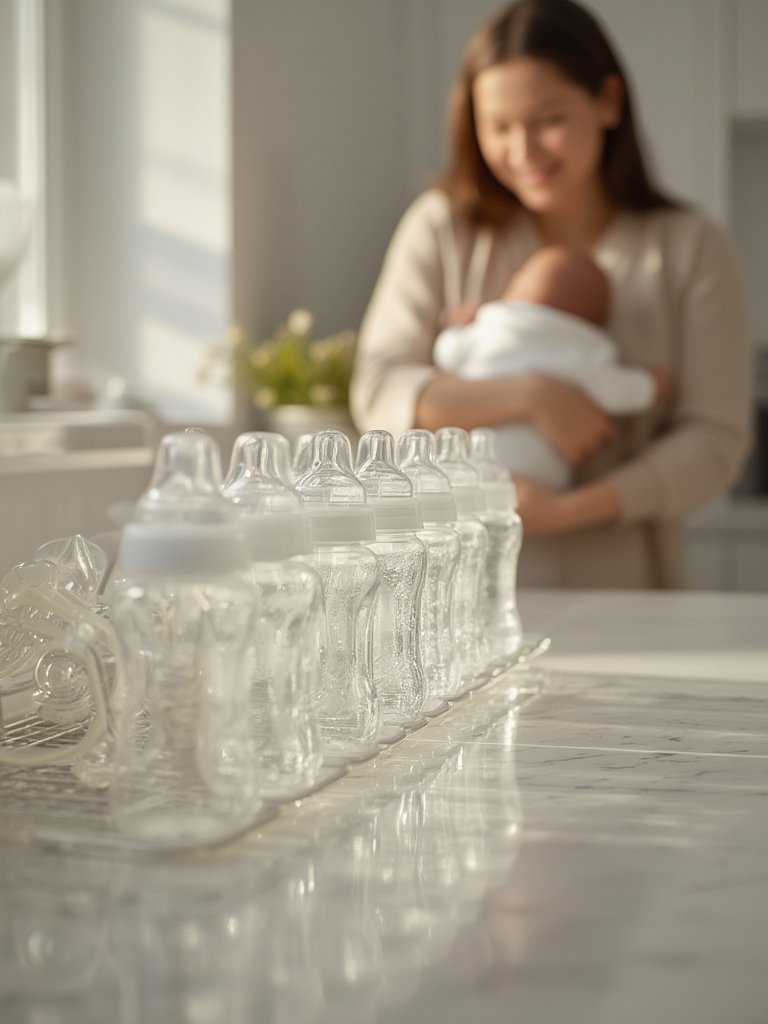
Deciding on a baby bottle washer comes down to balancing cost, convenience, and your household’s bottle cleaning complexity. While the market is growing rapidly, third-party hygiene validation and long-term reliability are rarely proven. If your bottles and parts are compatible, and you value daily time savings, a washer can be worthwhile. For some, diligent hand washing—possibly with a cheese grater rack for draining or a storage container upgrade—will be just as effective and cost far less.
The bottom line: do your homework, read user reviews, maintain your washer, and assess whether the baby bottle washer truly fits your cleaning routine. Ready to streamline baby feeding? Research your options, check the compatibility lists, and choose what’s right for your kitchen and your family.
Frequently Asked Questions
Is a baby bottle washer better than a dishwasher?
Some baby bottle washers offer specialized racks and targeted spray jets for bottles and small parts, which standard dishwashers may miss. However, if your dishwasher has a sanitize cycle and bottle rack, the difference may be minimal—especially for standard bottles.
How often do I need to clean the bottle washer itself?
Plan on cleaning filters and internal spray arms at least once a week, and run a cleaning cycle with vinegar monthly, or as recommended in your manual. Neglect leads to odor and reduced performance.
Are all bottle brands compatible with every washer?
No. Always check manufacturer compatibility charts—some bottles and pump parts (especially wide-neck or angled styles) may not fit or clean well.
Do baby bottle washers fully sterilize bottles?
Combo units may include sterilization cycles, but few offer third-party lab proof. For critical sterilization, confirm the model’s specifications and look for official certifications if possible.
Can a baby bottle washer clean breast pump parts?
Some washers include adapters or trays for standard pump parts, but not all. Double-check your parts and the washer’s racks before assuming a good fit.