

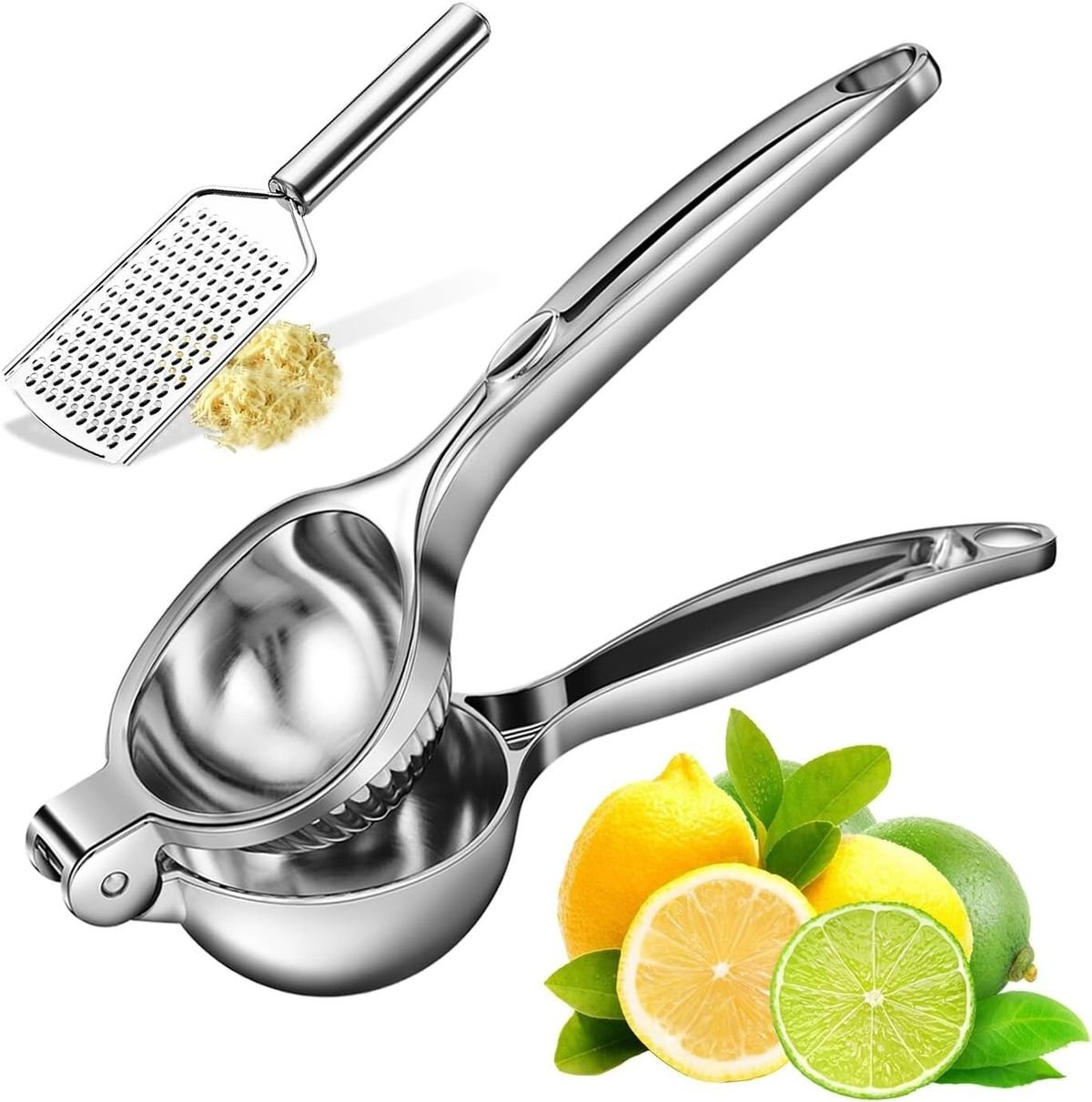
Manual citrus juicers offer a simple, efficient way to enjoy fresh-squeezed juices packed with nutrients and flavor. Whether you want to start your morning with a tangy glass of orange juice or add lemon zest to recipes, this guide explores manual juicers, how they work, what to look for, and tips for the best results.
Table of Contents
Understanding Citrus Fruits and Their Juices :
Oranges, lemons, limes, and grapefruits are among the most beloved citrus fruits for juicing at home. Each offers its own unique profile: oranges are prized for their sweetness and vitamin C content, lemons are tangy and rich in antioxidants, limes provide a zesty kick with potent flavonoids, and grapefruits deliver tartness along with vitamin A and lycopene. All these fruits share a reputation for supporting hydration, immune defense, and cardiovascular wellness due to the abundance of phytonutrients, minerals, and essential oils in their flesh and peel.
Fresh citrus juice, often extracted at home using a manual citrus juicer, holds prized advantages over pre-packaged varieties. When fruit is juiced fresh, its vitamin C and enzyme content remain at their highest; many nutrients degrade rapidly with exposure to air, light, or heat during industrial processing and storage. Fresh juice also offers a depth of flavor that packaged juices rarely match, bursting with aromatic oils and subtleties that are lost during pasteurization. Because no additives or concentrates are involved, homemade citrus juice delivers pure, unadulterated taste and nutrition.
Throughout history, citrus fruits have been celebrated in cuisines worldwide, both as beverages and as culinary staples. From Mediterranean orange groves to the lime-rich soils of Mexico and Southeast Asia, the cultivation of citrus has shaped local economies and diets. Even today, citrus is essential from Italian lemon-based desserts to Vietnamese lime-drizzled salads. The manual juicing tradition connects us to centuries-old rituals, where freshly squeezed juice was valued not just for refreshment but for health and cultural significance. Over time, the role of citrus juices has expanded, but the desire for fresh, bright flavor endures—and manual juicing remains the classic, most accessible method to achieve it.
What Is a Manual Citrus Juicer and How Does It Work :
A manual citrus juicer is a thoughtfully engineered tool designed to help you easily extract every drop of juice from citrus fruits, ensuring freshness and full flavor in your glass. There are two main types: the reamer and the squeezer, each offering a distinct approach to juicing. The reamer type features a ridged, conical center (the reamer) onto which a halved fruit is firmly pressed and rotated by hand. This action grinds the fruit’s flesh against the sharp ridges, efficiently breaking the juice sacs while straining out seeds and most of the pulp. The juice collects below, usually in a small integrated dish or reservoir.
Squeezer-type juicers, commonly referred to as citrus presses, employ a hinged design where the cut fruit is placed cut-side-down in a concave cup. Pressing the handles together compresses the fruit, forcing the juice out through holes in the base of the cup while trapping seeds and larger pieces of pulp. These are especially useful for juicing smaller fruits such as limes and lemons, requiring minimal effort and providing excellent juice yields with little mess.
Manual juicers operate through a simple, mechanical process that does not require electricity or batteries. This simplicity makes them exceptionally reliable, as there are few parts that can break or wear out over time. They are compact, lightweight, and easy to store or transport—perfect for home use, picnics, or even travel. Additionally, the manual method generates negligible heat, helping to preserve the delicate flavors and nutrients found in fresh juice, something that electric models, with their fast-spinning blades, sometimes compromise due to oxidation or slight warming. For juicing enthusiasts who value purity, control, and an unadulterated taste experience, a manual citrus juicer is often the ideal solution.
Key Features to Consider When Choosing a Manual Citrus Juicer :
When selecting a manual citrus juicer, a few core features make a significant difference in daily use, comfort, and results. Begin by considering the material. Juicers made from stainless steel are durable, rust-resistant, and generally more robust, making them a smart choice for frequent use or juicing tougher fruits like oranges and grapefruits. Glass models are non-reactive and visually appealing, an excellent pick if you appreciate aesthetics and plan to juice less acidic varieties. High-quality plastic juicers can be lightweight and affordable, but ensure they’re BPA-free and sturdy enough for daily tasks without warping or cracking.
The capacity of the juicer matters, too. If you enjoy large batches of juice for breakfast or entertaining, a juicer with a generous reservoir saves time and keeps the counter tidy. For those using a juicer for the occasional lemon or lime in recipes or cocktails, a compact, handheld reamer or press may be more convenient.
Ease of cleaning deserves serious attention. Juicers with simple components—and those that are dishwasher-safe—encourage more frequent use. Avoid models with intricate crevices where pulp and seeds can accumulate, as they make cleaning a chore.
Ergonomic design is vital for effortless juicing. Prioritize handles or reamers with comfortable grips and leverage, especially if you have limited hand strength. The reamer size should match your typical fruit—larger ones for grapefruits, smaller for limes and lemons—to maximize juice yield and minimize mess.
Some juicers offer adjustable pulp controls, which lets you adjust the amount of pulp in the finished juice. If you have strong preferences, this is a valuable feature. Stability is also key; look for non-slip feet or weighty bases that keep the juicer securely in place, particularly during vigorous pressing.
Finally, think carefully about your juicing habits and kitchen space. Match your juicer’s size, style, and features to your intended use for a seamless, satisfying juicing experience.
Step-by-Step Guide to Juicing Citrus Fruits Manually :
Begin by selecting your preferred citrus fruit and thoroughly washing it under cool water. Clean fruit helps reduce the risk of introducing dirt or lingering pesticides into your juice. Next, firmly roll the fruit on the countertop using your palm; this step loosens the inner segments and makes juicing more effective. Using a sharp knife, slice the fruit in half crosswise. For juicers with a smaller reamer, consider cutting larger fruit like grapefruits into quarters to ensure a better fit.
Position the fruit cut-side down onto the juicer’s reamer. Apply steady, even pressure while twisting the fruit back and forth; use your wrist rather than your arm to maintain control and minimize effort. Rotate the fruit gradually, ensuring all segments come in contact with the reamer. For maximum yield, gently squeeze and twist until the rind begins to feel hollow but do not press too aggressively—over-squeezing extracts bitter oils from the pith and seeds, which can taint the juice’s flavor.
Many manual juicers offer adjustable pulp controls. Use the built-in sieve or strainer to customize pulp content: press more delicately and avoid disturbing the pith for clearer juice, or move the fruit more vigorously if you enjoy extra pulp. For beginners, it helps to experiment with pressure and angle to find the sweet spot between yield and flavor balance. Enthusiasts sometimes double-juice—run the peel through again for an extra splash, as long as it’s not bitter.
After juicing, use a spatula or spoon to scrape any remaining pulp or drops from the juicer. Immediately rinse removable parts under warm water to prevent residue from becoming sticky or hard. Wipe down the base and allow all parts to air dry thoroughly before storing—this not only keeps your juicer fresh but also preserves its performance for years to come.
Maintaining and Caring for Your Manual Citrus Juicer :
Proper maintenance and care are essential to ensure your manual citrus juicer remains a dependable kitchen tool for years. After each use, promptly rinse off juice and pulp residues with warm water to prevent sticky buildup and potential staining. For regular cleaning, disassemble removable parts such as the reamer, strainer, and juice container. Use a soft brush or non-abrasive sponge with mild dish soap, paying special attention to the mesh or grooves where pulp can cling. Soap residue can affect flavor, so rinse every part thoroughly with clean water.
For deep cleaning—particularly if you notice dried pulp or a dull odor—soak components in a mixture of warm water and white vinegar for about 20 minutes. Scrub away persistent residues, especially in crevices, then rinse well. Avoid harsh abrasives or metallic scrubbers that can scratch plastic or enamel finishes, as these can become breeding grounds for bacteria.
Air drying each part fully on a rack before reassembling and storing is crucial to prevent moisture-related issues like mold or rust, especially for juicers with metal components. Store your juicer in a dry, ventilated space, not sealed in a damp cupboard. To further prolong the lifespan of your juicer, regularly inspect parts for cracks, chips, or rust. Replace worn gaskets or screws as needed.
If your model is dishwasher-safe, placing parts on the top rack is typically recommended, but always check the manufacturer’s guidance. When handling sharp or pointed reamers during disassembly or cleaning, use caution to protect your fingers. Ensure all pieces are correctly aligned and locked before the next use, as misalignment can cause breakage.
Consistent care not only extends your juicer’s longevity but also preserves the quality and hygiene of your fresh citrus juice, supporting effortless and safe juicing every time.
Conclusions :
A manual citrus juicer is a practical kitchen tool that unlocks quick access to flavorful, healthy juices from a variety of fruits. By understanding how to choose, use, and maintain one, you can elevate your daily nutrition and enhance recipes with fresh zest. Invest in the right manual juicer and enjoy the simplicity and satisfaction of juicing at home.
For more useful kitchen equipment , explore our full collection in the Other Tools category .
[…] for easy lifting or personalization are smart upgrades. Add-ons like mortars and pestles or a manual citrus juicer integrate well with prep boards for a seamless […]
[…] you’re into kitchen tools that genuinely improve your results, check out our guide on manual citrus juicers—another tool where choosing right makes a real difference in flavor and […]