

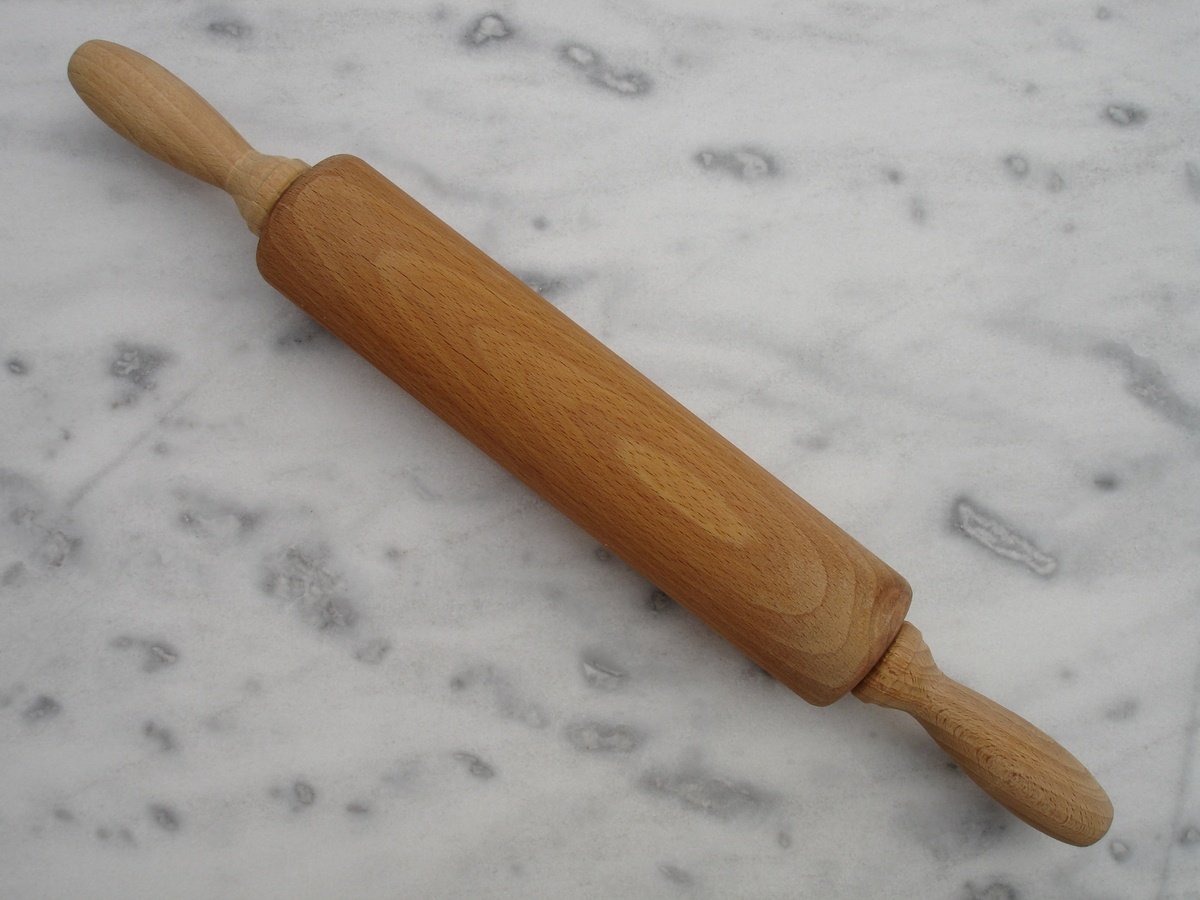
Rolling pins are indispensable kitchen utensils for bakers of all skill levels. Whether you’re rolling out delicate pastry, flattening dough for cookies, or crafting homemade bread, the right rolling pin makes a difference. In this article, we’ll explore types, materials, best practices, and care tips to help you get the most out of your rolling pin and elevate your baking experience.
Table of Contents
The Essential Role of Rolling Pins in Baking
A Rolling Pin is one of the most dependable tools in a baker’s collection, helping transform raw dough into evenly shaped pastry. Its primary purpose is to flatten and stretch dough, creating a uniform thickness that is crucial for items like cookies, pie crusts, breads, and noodles. Consistent rolling not only shapes the dough but also influences texture and crumb, ensuring layers bake evenly and develop properly.
When used with control, a Rolling Pin can turn stiff dough into a smooth, workable surface. Gentle motions prevent overworking the dough—important for tender pastries—while more deliberate rolling supports recipes that need structure, such as laminated or chewy doughs. Rolling also helps remove cracks, incorporate air, and manage surface hydration.
Rolling tools appear in baking traditions worldwide. In European kitchens, wooden pins coax pastry dough into delicate rounds. In India, the belan and chakla work together to produce chapatis and rotis with perfect thinness. Across East Asia, compact pins shape dumpling skins, wonton wrappers, and noodles, where precision greatly impacts the final dish.
Different styles suit different techniques. Slim rod-style pins offer finesse, heavier barrel-style designs provide power, and textured pins imprint decorative patterns into dough. Choosing the right Rolling Pin for your preferred recipes can make a significant difference in both ease and results.
Types of Rolling Pins and Their Unique Characteristics
There is a remarkable variety of rolling pins, each engineered for specific tasks and traditions in baking. The French rolling pin is a classic rod-style design, typically tapered at both ends, offering exceptional control and sensitivity. Its slender, handle-less shape allows bakers to feel the dough beneath their hands and maneuver with precision, making it ideal for tasks that require finesse, such as delicate pastry or laminated doughs like croissants and puff pastry, where uniform thickness is crucial.
The American version of the Rolling Pin differs from the French style, featuring a thick central barrel with handles on both sides. This design adds leverage and makes it easier to work with firm doughs or large batches. Its weight helps apply broad, even pressure, while the handles allow bakers to roll without straining their wrists—ideal for cookies, pie crusts, and other doughs that require consistent flattening.
A hybrid style blends elements of both rods and traditional rollers. These pins usually include a straight barrel with integrated handles, offering a comfortable middle ground for bakers who want tactile control while maintaining stability.
In Indian baking, the traditional chakla belan set plays a key role. The slender belan, shaped like a rod, is used to craft thin, uniform chapatis or rotis. Paired with the chakla—a smooth, round board—it supports precise, repetitive movements. Its light weight and agility make it especially effective for dough shaping guided by touch.
Textured or embossed rolling pins, often made from wood or durable plastic, imprint intricate designs directly onto dough. Used for decorative cookies, fondant, or pasta, these specialty pins add visual appeal and distinct character to baked goods. When a recipe calls for added artistry, these pins become essential.
Choosing a rolling pin starts with understanding which style best matches the demands of your favorite recipes, ensuring both functional results and a rewarding tactile experience.
A Guide to Rolling Pin Materials
The material of your Rolling Pin plays a major role in how it performs and how comfortable it feels during use. Wood remains one of the most popular choices. Wooden pins—often made from maple or beech—offer a gentle, familiar feel that helps reduce sticking. Their moderate weight works well for most baking tasks, and over time, a well-seasoned wooden pin can become even more naturally non-stick. However, wood is porous and can absorb moisture or odors if not cleaned properly, so it requires hand-washing and thorough drying. Traditional wooden pins are generally affordable and long-lasting when well maintained.
Marble pins, on the other hand, are much heavier. This weight is appreciated by bakers handling delicate pastry doughs, as the pin’s momentum and cool surface help prevent butter from melting. Because of this, marble is favored for croissants, pie crusts, and other laminated doughs. The downside is that the weight can become tiring and marble may chip if dropped.
Stainless steel versions offer a sleek, non-porous alternative. These Rolling Pin designs resist stains, clean easily, and often feature a hollow core that can be chilled. They perform similarly to marble when cold but are lighter and easier to handle. However, some bakers find stainless steel too smooth, which can reduce fine control.
Plastic pins are budget-friendly and very lightweight, but they often lack the heft needed for firmer doughs. They can also build static, increasing the risk of dough sticking. Silicone pins, meanwhile, are known for their true non-stick properties, making them excellent for sticky doughs or gluten-free baking. Though convenient, silicone doesn’t provide the traditional weight or feel of wood or marble.
Glass pins, while uncommon today, can be filled with cold water to adjust weight and temperature. They remain fragile, however, and require careful handling.
Each material delivers a unique baking experience. Choosing the right Rolling Pin ultimately depends on the types of dough you work with, your preferred handling style, and how much care you’re willing to invest in maintenance.
How to Use and Maintain Your Rolling Pin
Mastering your rolling pin ensures consistently impressive baking results and extends the life of your favorite tool. Start by prepping both your dough and workspace. Lightly dusting your work surface and rolling pin with flour helps prevent sticking, especially with wetter doughs. When working with pastry, sometimes using a silicone mat offers added insurance against sticking and makes cleanup simpler.
To roll your dough, begin at the center and gently push outward, rotating the dough a quarter turn after a few rolls to create an even circle or rectangle. Apply even, gentle pressure rather than forcing the dough, which helps eliminate thin or thick spots. For French and tapered pins, a rocking motion can help maneuver the pin and target edges, while handled rolling pins rely on guiding each pass with your palms. Rolling guides or adjustable rings are invaluable for ensuring perfectly uniform thickness, which is especially important for cookies, tarts, and layered pastries.
Each rolling pin style benefits from slightly varied handling. Marble and metal pins retain coolness, ideal for pastry, but may require lighter touches due to their weight. Silicone and nonstick pins are helpful for sticky doughs but avoid excessive pressure, which can compress delicate pastries.
For cleaning, always consult your rolling pin’s material needs. Wooden rolling pins should never be soaked; simply wipe clean with a damp cloth and mild soap, drying thoroughly to prevent warping or cracking. Marble, stainless steel, and silicone pins can be hand washed, but avoid submerging any pin with hollow handles. Always store in a dry place, away from direct heat or sunlight.
If dough sticks despite precautions, try chilling both your pin and dough. Use parchment paper to sandwich the dough or simply knead in a bit more flour if appropriate. For uneven rolling, revisit your pressure and movement—relaxed, steady strokes and regular dough turning are key. With practice and care, your rolling pin becomes an indispensable partner in your baking journey.
Elevating Your Baking with Specialty Rolling Pins
Baking is not just about flavors and textures—presentation matters, too, and specialty rolling pins open up a world of creative possibilities. Embossed rolling pins, carved with intricate patterns, can transform simple cookie or pie dough into eye-catching works of art. Imagine classic sugar cookies adorned with delicate snowflakes or garlands, effortlessly created by a single pass of an embossed pin. These are particularly treasured for traditional treats like Springerle cookies, where the design itself becomes the defining characteristic of the bake.
Textured rolling pins expand this concept further, offering an array of geometric, floral, or whimsical motifs. To use them successfully, it’s important to first roll your dough to the desired thickness with a standard pin. Then, make a final, firm pass with a textured or embossed pin—without re-rolling afterward, as doing so would blur the design. Dust the pin lightly with flour or powdered sugar to prevent sticking and to ensure clearness of detail.
For delicate or temperature-sensitive doughs—like puff pastry, shortcrust, or laminated dough—a chilled rolling pin is invaluable. Marble or stainless steel rolling pins can be popped into the fridge or freezer before use, helping keep butter from melting and preserving lamination in pastries. This can drastically improve flakiness in croissants or palmiers and keeps stickiness at bay.
Practical inspiration abounds: create show-stopping pie crusts by embossing them with botanical textures, or craft crackers with a rustic charm using a wood-grain pattern. Specialty rolling pins aren’t just about appearance—they invite bakers to experiment with doughs, techniques, and traditions, offering an ongoing invitation to infuse personal style and signature flair into every batch.
Conclusions
Rolling pins are an essential part of every baker’s toolkit. By understanding the different styles, materials, and maintenance practices, you can choose the best rolling pin for your specific baking needs. With the right knowledge, you’ll achieve more consistent, beautiful results and discover creative possibilities in the world of baking. Investing in the perfect rolling pin is a step toward culinary success.
For more helpful tools that improve your baking workflow, explore our Specialty Baking Tools category.
[…] more ways to master kitchen efficiency? Check out our actionable guides to choosing the perfect rolling pin and organizing your fridge storage containers for maximum […]