

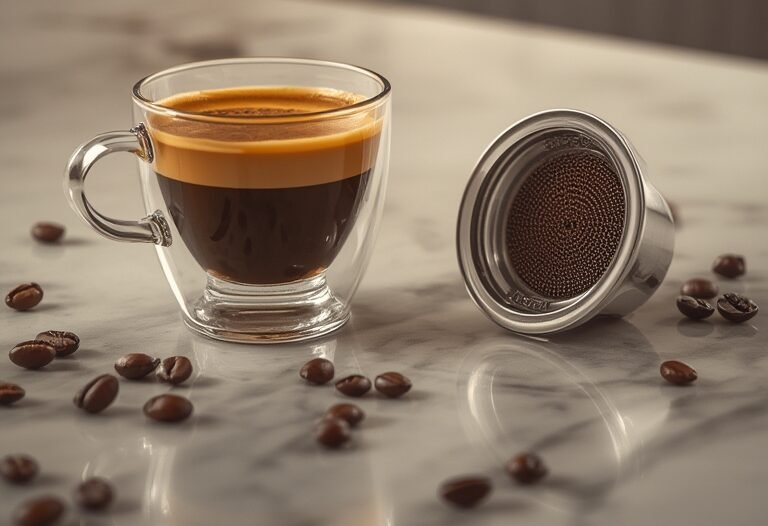
coffee puck screens are one of the most debated innovations in the world of espresso. Whether you’re a home barista or run a busy café, understanding how puck screens work and when to use them can directly impact your shot quality, machine cleanliness, and workflow consistency in ways most guides overlook.
Key Takeaways :
- Puck screens improve extraction yield, espresso consistency, and can make machine cleanup much easier.
- The benefits—and pitfalls—of using a coffee puck screen depend on your espresso machine type, grind size, and workflow.
- Lack of clear cleaning recommendations, long-term data, and some workflow quirks are real-world concerns all users should know before buying.
- What Is a Coffee Puck Screen and Why Does It Matter?
- How to Use a Coffee Puck Screen: Step-by-Step Guide
- Advanced Analysis & Common Pitfalls of Puck Screens
- Conclusion
- Frequently Asked Questions
What Is a Coffee Puck Screen and Why Does It Matter ?
A coffee puck screen is a thin, perforated sheet—usually made from stainless steel—that sits directly on top of your tamped espresso puck inside the portafilter basket. Its purpose is to act as a protective, secondary dispersion layer between the coffee bed and the machine’s shower screen.
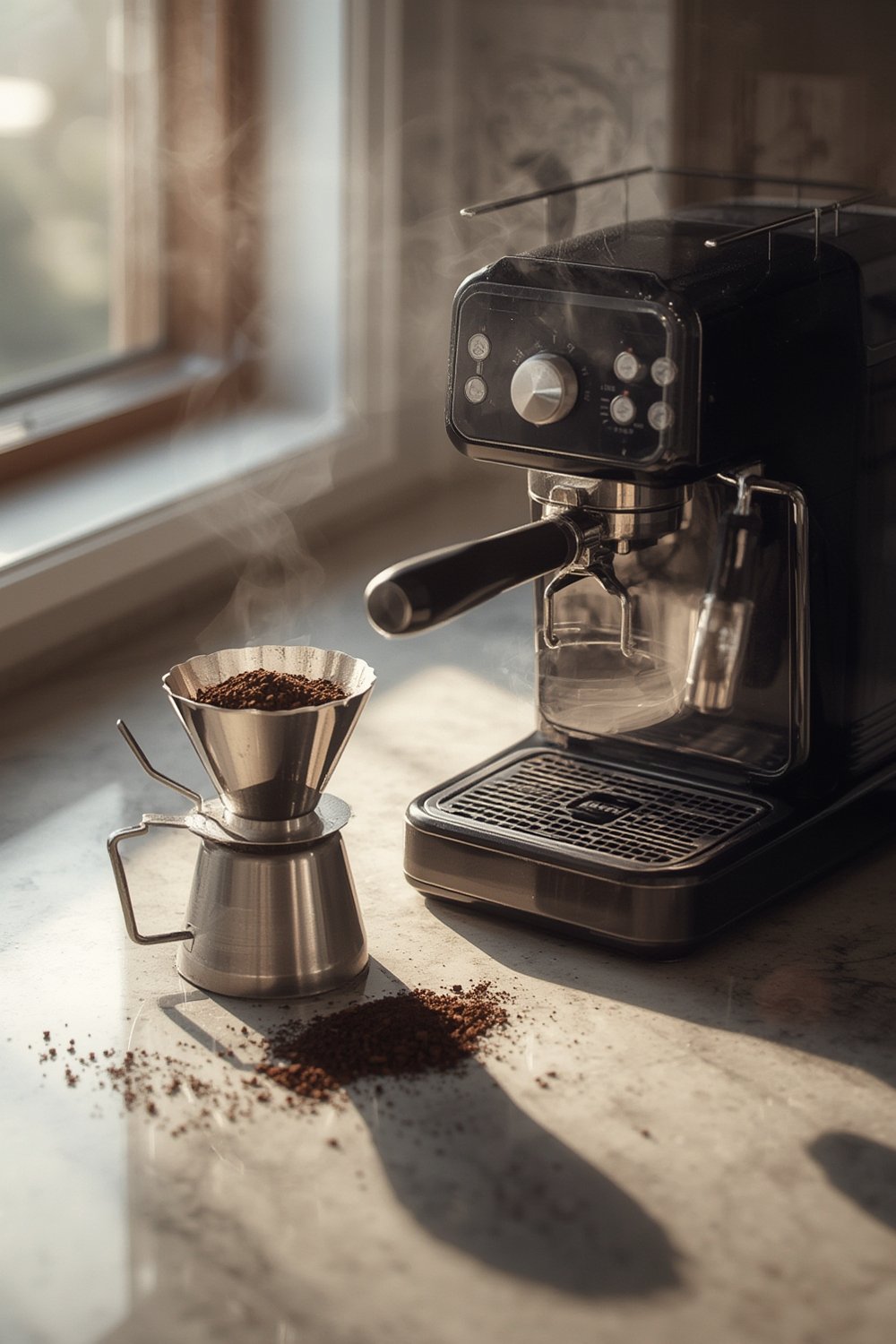
Here’s why this tiny tool matters more than it seems:
- Improved Extraction Yield: Multiple studies show puck screens increase extraction yields by 3%–7%, a substantial 20% relative improvement over shots without them. [Source] [Source]
- Shot Consistency: Water passes more evenly through the coffee, helping prevent channeling. This means better flavor, less astringency, and a more even crema color. Puck screens typically produce faster shots while still maintaining—or boosting—extraction. [Source]
- Easier Maintenance: The screen protects your group head and shower screen by catching grounds and oils that would otherwise stick and build up, which can save time on cleaning and lengthen machine life. [Source]
In other words, if you want more consistent espresso with less mess, trying a coffee puck screen is one of the lowest-cost upgrades. But there’s more nuance to using it than most guides admit.
Looking to upgrade other coffee prep tools? See how the best single dose coffee grinders further improve shot quality and freshness for your espresso routine.
How to Use a Coffee Puck Screen : Step-by-Step Guide .
Using a coffee puck screen is simple, but mastering the process helps you get the most out of your shots while avoiding mess or flavor loss. Here’s a precise workflow:
- Grind and dose your coffee: Use your espresso grinder to dial in your standard dose for your portafilter basket size. Weigh carefully using digital kitchen scales for repeatability.
- Distribute and tamp: Level the grounds evenly using a WDT tool or distributor, then tamp to create a flat, even puck.
- Insert the puck screen: Place your clean, dry puck screen directly on top of the tamped coffee bed. Make sure it sits flat and covers the entire puck.
- Lock in the portafilter and brew: Brew your espresso shot as usual. You’ll likely notice the shot starts flowing slightly faster, with more even saturation and less “spurting” compared to shots with no screen.
- Remove and clean: After brewing, knock out the puck as a whole and gently remove the puck screen. Rinse your puck screen immediately or soak it for a few minutes if there’s stuck-on coffee.
Puck screens are most effective with fresh coffee, even distribution, and a consistent tamp. If you’re trying to get ultra-even results, pairing a puck screen with other structured prep tools (like a burr espresso grinder) gives a significant consistency bump.
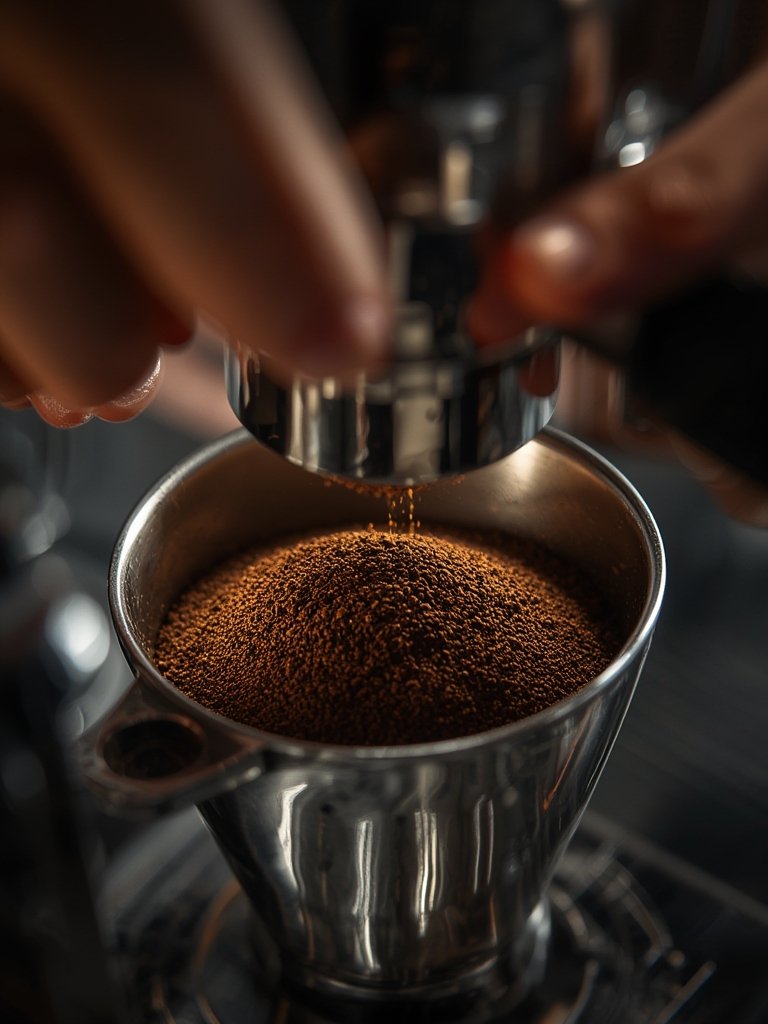
Home baristas often overlook one critical workflow detail: rinse your puck screen after every use to avoid clogging fine mesh holes and flavor transfer between shots. Unlike other kitchen tools such as a stainless steel garlic press, mesh surfaces can accumulate oils and micro-grounds surprisingly fast.
Still unsure what gear upgrades will maximize your efficiency or improve your coffee station? See our guide on top kitchen organization tools for efficient home setups.
For a wider kitchen perspective, check the complete mortar and pestle buying guide—another classic example of tool evolution in the home kitchen.
Advanced Analysis & Common Pitfalls of Puck Screens :
Puck screens bring clear benefits but also open up new challenges and workflow quirks most espresso guides don’t mention. Here’s a realistic breakdown:
Common Pitfalls :
- Misadjusted Grind: Since water passes quicker with a screen, failing to grind finer can leave shots under-extracted and thin.
- Inconsistent Extraction Across Basket: Higher average extraction doesn’t guarantee uniformity. Parts of the puck may be over-extracted, others under-extracted—a fact most extraction yield stats overlook.
- Removal Issues: Puck screens can stick to the group head or get stuck in wet pucks, especially with high doses or lighter roast coffees.
- Cleaning Fatigue: Unlike simple portafilter rinsing, stainless mesh screens require regular, sometimes tedious, cleaning to avoid clogging from fines and oils.
- Lack of Long-Term Data: There’s no published research on impact after months of use. Claims of extended machine life are plausible, but not scientifically confirmed.
- Limited Effectiveness on Automatic Machines: Current evidence suggests puck screens are especially helpful for manual and lever machines, but their precise benefit across every type (semi-auto, super-auto, lever, etc.) isn’t clear.
- No Industry or Manufacturer Cleaning Standards: There’s little consensus on how to clean puck screens and how often to maintain them for food safety.
Comparison : Common Puck Screen Models .
| Material | Thickness | Typical Durability | Estimated Price (USD) |
|---|---|---|---|
| Stainless Steel Mesh (standard) | 1.7 mm | 1-2 years (with cleaning) | $8–$25 |
| Titanium-Coated Steel | 1.7-1.8 mm | 2+ years | $15–$35 |
| High-Precision Specialty Mesh | 1.0–1.7 mm | 1 year (delicate) | $20–$50 |
While nearly all models are stainless steel, other variables like mesh count and hole size may impact both shot results and cleaning effort. There’s no published durability data over years of home or café use—expect to replace even premium screens every few years if you pull several shots a day.
Underaddressed Issues in Competitor Articles :
- Grind Setting Recalibration: Many guides ignore the need to fine-tune your espresso grinder specifically for puck screens. Use a proper espresso grinder and experiment with slightly finer settings to prevent bland, watery shots.
- Machine-Specific Performance: Most articles do not provide advice tailored to your specific espresso machine. For example, lever and manual machines benefit more from puck screens, but certain semi-automatics may see minimal advantage.
- Lack of Cleaning Protocols: There are no agreed cleaning schedules among manufacturers. Regular, even daily, cleaning with soap and/or soaking in a mild solution is the safest bet for both taste and hygiene.
If you’re looking for efficient cleaning tips for other mesh or metal kitchen tools, our guide to cheese grater cleaning offers actionable maintenance advice that applies to puck screens as well.
Conclusion :
Coffee puck screens are a powerful—yet often misunderstood—tool for any espresso lover. Used well, they deliver noticeable improvements in extraction yield, cup quality, and machine cleanliness, especially for manual and lever machines. But don’t expect magical results without adjusting your grind and cleaning workflow. If you want more predictability from every shot, a coffee puck screen is a worthwhile investment.
Ready to get more from your shots? Experiment with a coffee puck screen in your own routine and discover how much more potential your espresso machine holds. For optimal results, revisit your grind and workflow—then enjoy better, cleaner coffee every day.
FAQ :
What is a coffee puck in espresso making ?
A coffee puck is the compacted disk of used ground coffee left in your portafilter basket after extracting an espresso shot. Using a puck screen means placing a thin mesh screen on top of this puck to improve water flow and cleanliness.
How do I clean a coffee puck screen ?
Immediately after brewing, remove the puck screen and rinse it thoroughly under hot water. For stubborn coffee oils or fines, soak the screen in a solution of hot water and mild dish soap, then scrub gently with a soft brush. Clean your puck screen daily for best results; neglecting this can quickly clog mesh holes and degrade flavor.
Do I need to change my grind setting when using a puck screen ?
Yes—since puck screens make shots flow slightly faster, you should grind slightly finer to maintain extraction time and maximize flavor. Always test and adjust until you find the optimal combination for your coffee and machine.
Can puck screens improve espresso on any machine ?
Puck screens work best on manual and lever espresso machines, where water flow can be more uneven. They also provide benefits to many semi-automatics but may offer less improvement on fully automatic machines. Always test a few shots to evaluate if the difference is noticeable on your setup.
How long does a coffee puck screen last ?
With regular cleaning, a good stainless steel puck screen can last one to two years with daily home use. However, finer mesh models can bend or clog faster, especially in busy café environments, so replace them if you notice reduced performance or cleaning becomes impossible.