

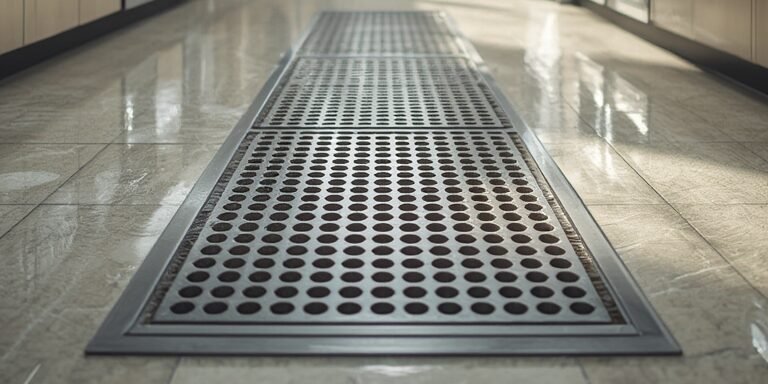
drain mat solutions have become essential in modern kitchens, but most home cooks still underestimate their true impact—until water stains and mold start to appear. In this guide, we dive into what a drain mat is, why it’s crucial for your sink area, and how to choose and use one effectively to avoid common (and costly) sink issues.
Key Takeaways
- Drain mats prevent water damage, mold growth, and unsightly stains around your kitchen sink.
- Selecting the right material, size, and shape improves hygiene and enhances kitchen efficiency.
- A drain mat is a simple, budget-friendly way to extend your sink’s life without major renovations.
- What Is a Drain Mat and Why You Need One
- How to Choose and Use a Drain Mat: Step-by-Step Guide
- Advanced Analysis & Common Pitfalls
- Conclusion
- FAQ
What Is a Drain Mat and Why You Need One
A drain mat is a silicone or rubber mat designed to sit on your kitchen sink’s ledge, countertop, or directly under the faucet. Its main job? To catch drips, protect surfaces, and direct water back into the sink before it causes problems such as rot, mold, or surface damage. A drain mat channels wayward water runoff from dishes, utensils, or faucet splash while providing a grippy surface for drying.
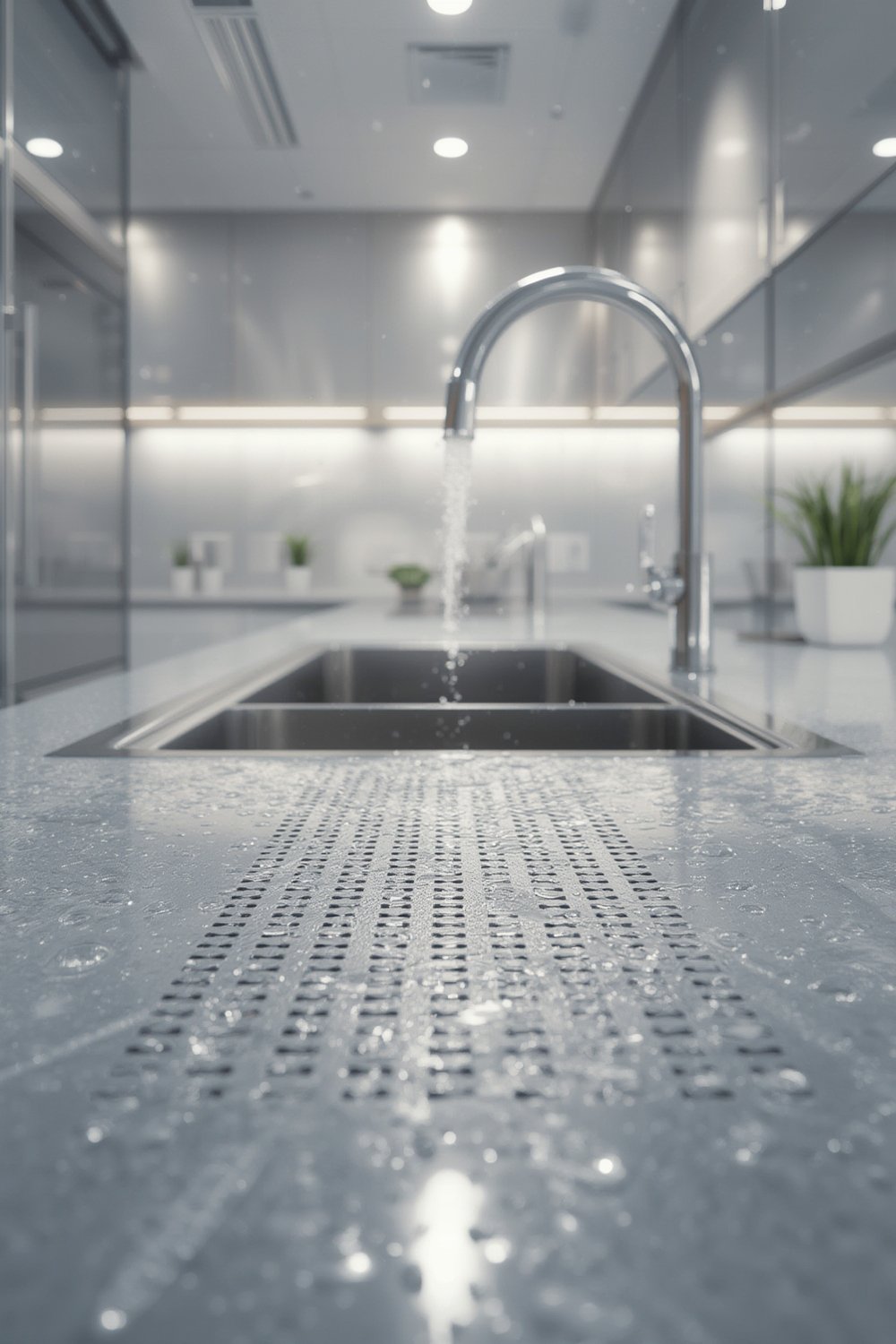
Without a drain mat, unchecked water will often pool at the sink’s edge or drip behind the faucet, soaking wood or laminate counters. Over time, this can lead to expensive repairs or black mold. The right mat also helps keep the space tidy and safer—no more slippery puddles or scattered cutlery.
For anyone upgrading their kitchen gadgets, a quality drain mat pairs perfectly with tools like a stainless steel colander for rinsing, or a manual food chopper when prepping vegetables directly over the sink.
How to Choose and Use a Drain Mat: Step-by-Step Guide
Picking the right drain mat is simple, but using it correctly makes all the difference. Here’s how:
- Measure your sink and faucet base area. Most mats come in standard sizes, but an ill-fitting mat will allow gaps for spills. Always measure the length from faucet to counter edge and the width at your sink’s back.
- Decide on your preferred material. Silicone mats are heat-resistant, flexible, and easy to clean. Rubber mats grip well but may absorb odors. Textured mats help water drain off quickly but may show stains faster.
- Check drainage channels and cutouts. Look for dedicated ridges or slots that help water run back into the sink. Built-in cutouts for faucet or soap dispenser mounts are a bonus.
- Place your drain mat flat, aligning cutouts with your faucet and sink edge. Make sure the mat slightly overlaps the sink lip so it guides water inside.
- Clean your mat weekly. Rinse with warm soapy water, especially if you spot mineral buildup or discoloration. For silicone mats, a quick pass through your dishwasher keeps them fresh.
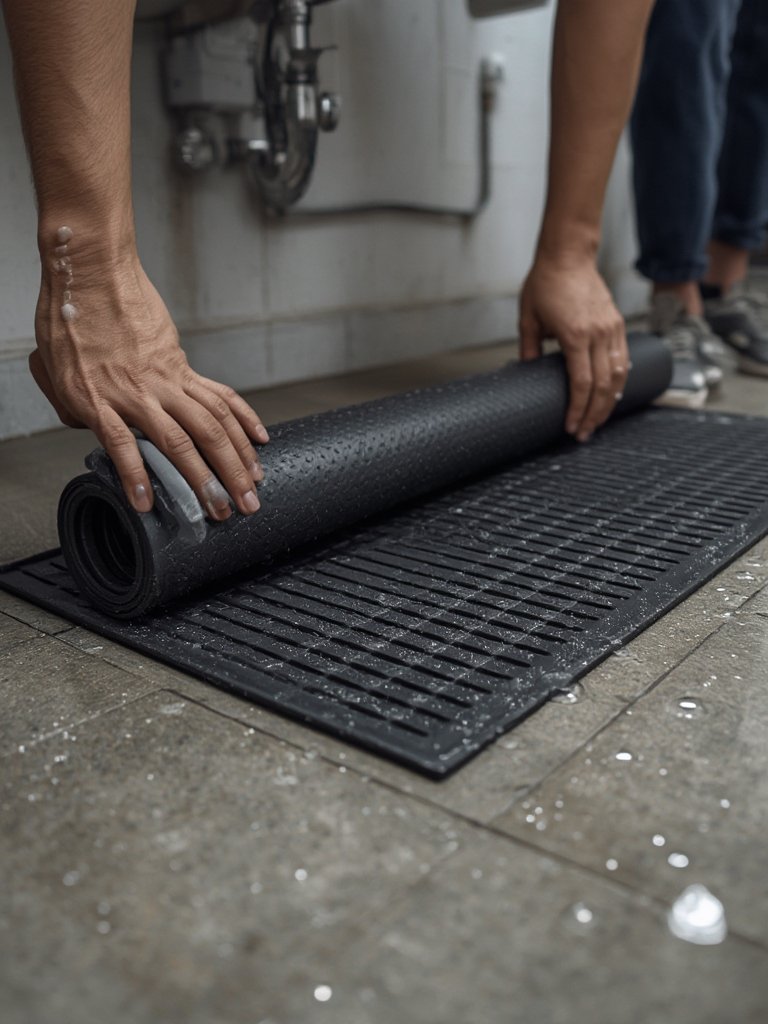
Swapping out your mat seasonally keeps things more hygienic. It also gives you the chance to experiment with different textures or colors that match new kitchen upgrades. If you frequently dry delicate items, a drain mat provides a softer landing than a hard metal rack. And when paired with organization tools like a magnetic knife holder or salad spinner, your overall workflow improves.
Advanced Analysis & Common Pitfalls
Drain mats are not flawless. Based on current research and user feedback, here’s what to watch out for:
- Poor fit leads to leaks. Buying a generic or too-small mat means water can slip past, defeating the purpose.
- Silicone can stain: While easy to clean, silicone mats may show orange or brown discoloration from food residue or hard water.
- Mold risk is real. If you don’t regularly clean or dry the area beneath your mat, mold can develop underneath even anti-mold materials.
- Odors build up over time: Rubber and low-quality mats sometimes retain unpleasant smells, which can transfer to utensils.
- Not all mats are heat-proof: Accidentally placing hot pots or pans on some mats can cause warping or melting.
Some anti-mold advertised products rely solely on airflow channels, which isn’t always enough in humid kitchens. External consumer reports, such as those highlighted by The New York Times Wirecutter, stress the need to scrutinize product materials for real anti-microbial effectiveness.
| Product | Protection Level | Ease of Cleaning | Anti-Mold Features | Price Range (USD) |
|---|---|---|---|---|
| Silicone Drain Mat | High | Excellent (dishwasher-safe) | Good (airflow & anti-microbial options) | 10-25 |
| Rubber Mat | Medium | Fair (may absorb odor) | Poor-Fair | 8-18 |
| Microfiber Cloth | Low | Excellent | Poor (retains moisture) | 5-15 |
| DIY Towel Solution | Low | Fair (must launder often) | Poor | <5 |
Price data aligns with current listings on major retail platforms including Amazon, Home Depot, and Walmart.
Always check product specifications for true anti-fungal performance, especially if your kitchen experiences frequent splashing or if your counters are wood or laminate. If in doubt, consumer discussion forums and surveys can shed light on specific complaints regarding longevity or material safety.
Conclusion
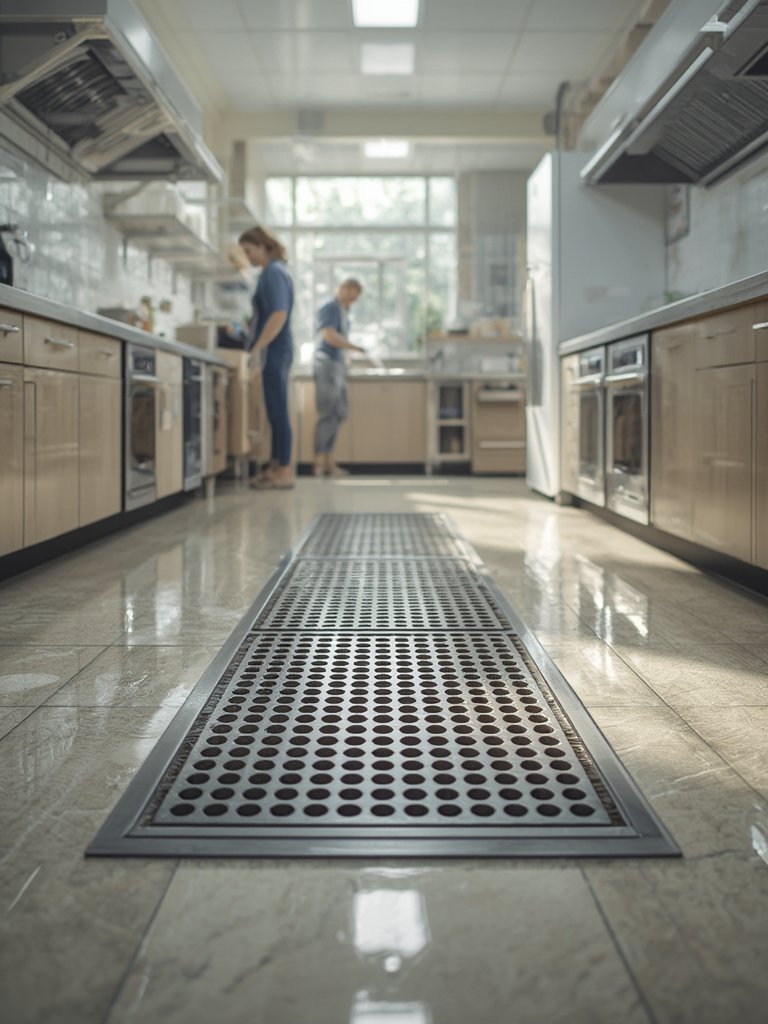
Getting the most out of your kitchen means addressing small pain points before they become expensive headaches. Adding a drain mat is one of the smartest, most cost-effective upgrades you can make for cleanliness and maintenance. Regular upkeep, careful sizing, and material selection all ensure your drain mat delivers lasting value and helps keep your kitchen not just dry but truly protected. Don’t wait for a soggy counter or musty smell—find the right drain mat and take your kitchen care to the next level.
Ready to optimize every part of your kitchen? Explore our guides for picks like the best mortar and pestle or learn how to choose a heavy duty potato masher. And if you’re serious about hygiene, our best drying mat review will elevate your setup even further.
FAQ
What is the best material for a drain mat?
Silicone is typically the best choice due to its heat resistance, flexibility, and ease of cleaning. Look for food-grade, anti-microbial silicone for the safest results.
How often should I clean my drain mat?
Weekly cleaning is recommended, but in busy households or after preparing foods that stain, clean it more frequently to prevent mold or odors.
Can a drain mat completely prevent water damage?
No mat can guarantee full protection, but a properly sized and installed drain mat significantly reduces the risk of leaks, pooling, and surface damage.
Why is my drain mat turning brown or orange?
This is usually due to hard water deposits or food residue. Soak your mat in a mix of vinegar and water, then scrub with a soft brush to restore its color.
Should I replace my drain mat if it gets moldy?
Yes. For persistent mold, discard the mat and replace it with one labeled anti-microbial or with better drainage to prevent future issues.