

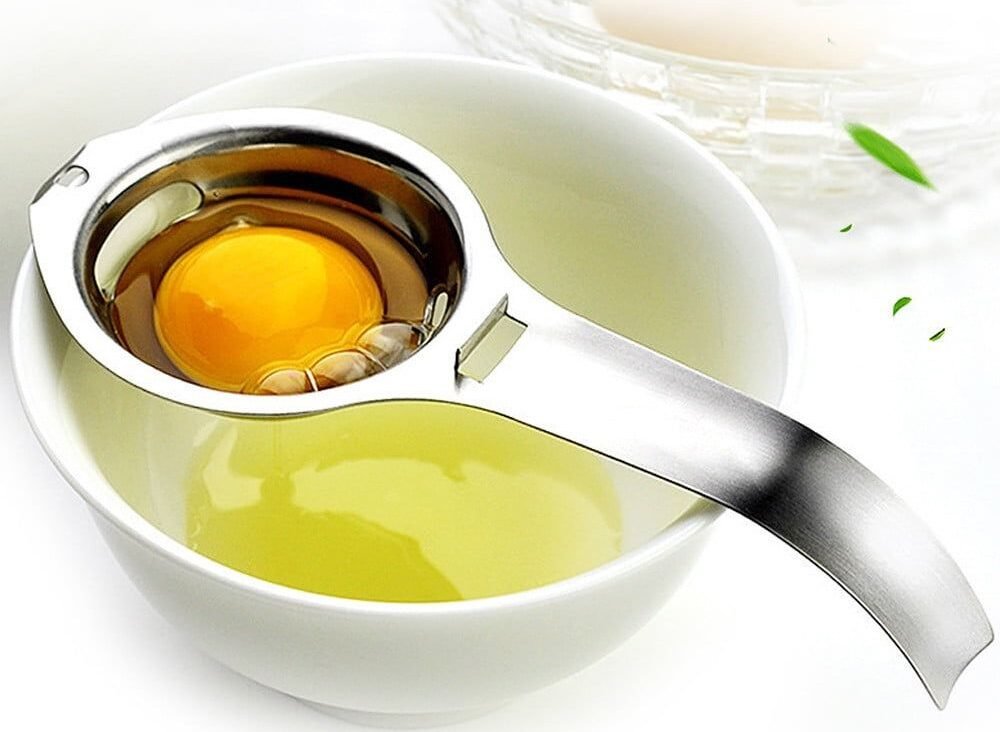
Whether you’re a passionate baker or a health-conscious cook, an egg separator is a small kitchen utensil that can make a big difference. Separating eggs is a fundamental culinary technique, and the right tool can ensure precision, hygiene, and ease. In this guide, we explore everything about egg separators, from methods and benefits to care and creative usage.
Table of Contents
Understanding Egg Separators and Their Role in the Kitchen
An egg separator is a specialized kitchen tool designed to streamline the process of separating egg whites from egg yolks with precision and ease. Its primary function is simple yet invaluable: it allows cooks to break an egg and cleanly extract the contents, neatly catching the yolk while letting the white slip through designated slots or holes into a waiting bowl below. This seemingly modest device holds significant importance in modern cooking, saving time and reducing the risk of error or accidental mixing, which is crucial for recipes where even trace amounts of yolk can compromise the end result.
Egg separation plays a critical role in countless dishes. From ethereal meringues—where pure egg whites are whisked to fluffy peaks—to velvety custards and emulsified sauces requiring only yolks, many culinary techniques depend on this basic preparation step. Health-conscious cooks may also separate eggs to reduce cholesterol, using only whites in omelets, scrambles, and baked goods, taking advantage of their protein content while omitting the richer, fattier yolk. In baking, the differences between whites and yolks—such as proteins, fat content, and emulsifying properties—can have a measurable impact on texture, moisture, and volume.
Among the arsenal of modern kitchen gadgets, the egg separator stands out for its ability to offer both novice and experienced home cooks a dedicated solution over improvisation. It excels in reliability and hygiene, minimizing contact with hands or shells and reducing the risk of shell fragments or contamination. Paired with other specialized utensils—like pastry brushes, dough scrapers, or zesters—egg separators streamline prep work and help maintain kitchen organization. Their design ranges from simple plastic or metal rings to more elaborate tools, but all share the core goal: making the precise division of egg components accessible and stress-free for any home cook who seeks to elevate their culinary creations.
Comparing Egg Separation Techniques
Comparing various egg separation techniques reveals a range of solutions, each with distinct advantages and drawbacks. The shell-to-shell method, where the egg is cracked and the yolk gently passed between the two shell halves, remains a classic approach beloved for its simplicity and lack of extra tools. Yet, it poses an increased risk of shell fragments falling into the bowl and potential contamination if the exterior of the shell carries bacteria. Similarly, using clean fingers to let the white slip through while cupping the yolk is an intuitive technique, but not ideal when handling multiple eggs, as it can quickly become messy and raises food safety concerns, especially if eggs are not pasteurized.
In recent years, inventive home cooks have adopted alternative methods. The plastic bottle trick, for instance, involves using an empty water bottle to suction the yolk from the white by squeezing and releasing the bottle’s air. While playful and surprisingly effective in separating the yolk cleanly, this approach can be awkward for those unfamiliar with the technique and carries a risk of bursting the yolk, undermining its purpose. Using a funnel allows the whites to drip through while the yolk remains, but this requires the right funnel size and careful attention to avoid breaking the yolk or clogging the funnel.
Modern egg separators—dedicated tools explicitly designed to cradle the yolk while the whites drain effortlessly below—address these challenges. Their appeal lies in consistency, cleanliness, and safety. Most separators minimize handling, reducing contamination risk and ensuring quicker separation, particularly valuable when recipes call for several separated eggs. While improvised methods might suffice in a pinch, many cooks find that dedicated egg separators provide a more hygienic, reliable, and efficient process, streamlining both everyday cooking and more advanced baking, and so are often preferred for their practical benefits.
Choosing the Right Egg Separator for Your Needs
When selecting the ideal egg separator for your kitchen, consider both the frequency of use and the types of dishes you most often prepare. Egg separators vary from the simplest handheld models to innovative countertop gadgets, each with distinct benefits depending on your cooking needs.
Simple models, such as slotted spoons or wire-mesh holders, are compact and versatile, fitting easily in any kitchen drawer. They’re perfect for occasional bakers or those with minimal storage space. For those separating eggs frequently or handling batches, a dedicated egg separator with a stable bowl rest or handle can speed up the process and reduce the risk of hand fatigue.
Material choice plays a significant role in durability and hygiene. Stainless steel separators resist staining and corrosion, making them highly reliable for repeated use and dishwasher-safe for easy cleaning. Plastic versions are lightweight and typically more affordable, but ensure they’re BPA-free and sturdy enough to avoid snapping under pressure. Silicone separators offer flexibility and gentle handling if you’re concerned about breaking yolks.
Designs differ to address various needs. Some separators have wide cups accommodating larger eggs, while others feature fine slots or mesh, ensuring only whites pass through, reducing mess. For those with dexterity challenges or arthritis, seek ergonomic handles, non-slip grips, or separators that operate with a single squeeze or tilt—these options minimize hand strain and enable precise separation even with limited mobility.
Cleaning should always be straightforward; opt for separators with minimal crevices and those labeled as dishwasher-safe to ensure eggs don’t clog small openings.
Pay attention to reviews and recommendations—tried-and-tested models often receive praise for reliability and consistent performance. Ultimately, matching the right separator to your kitchen habits lets you master this step with efficiency, preparing you for successful, mess-free egg separation every time.
Tips for Mastering Safe and Effective Egg Separation
For achieving consistently good results with an egg separator, attention to detail and technique can make all the difference. Begin with cold, fresh eggs—these are less likely to break as the yolk’s membrane is firmer when chilled, making separation more reliable. When preparing to separate, gently crack the egg on a flat surface rather than the rim of a bowl. This helps prevent shards of shell from piercing the yolk or falling into your bowl.
For best hygiene, always wash your hands and ensure the egg separator is thoroughly clean before each use. Hold the separator over a clean bowl designated for whites, and crack the egg into the center of the separator, allowing gravity to do the work. Avoid squeezing or shaking the device, as this may rupture the yolk.
When separating multiple eggs, use a three-bowl system: one for yolks, one for whites, and a third as a transfer bowl for each freshly separated white. This precaution keeps your batch safe if a yolk happens to break—ensuring that one mishap doesn’t spoil the entire batch of egg whites, which is especially useful for recipes demanding perfectly separated whites.
If you’re working with older eggs, remember their yolks are more fragile. Chilling them for a few minutes or handling them extra gently during the crack and transfer process can help minimize breaks. Should a bit of yolk slip into the whites, use half an eggshell to scoop it out easily, thanks to the shell’s sharp edge and natural attraction to the yolk.
Finally, avoid cross-contamination by never touching the yolk after touching the shell or separator. These small but effective precautions will help you master egg separation, ensuring safe results and pristine egg whites or yolks for your chosen recipes—or for your next creative kitchen adventure.
Creative Uses for Egg Separators Beyond the Basics
Beyond its essential function in precise egg separation for recipes, an egg separator can be a surprisingly versatile tool in the hands of an inventive home cook. Once you’re comfortable with its core use, experiment with how this small gadget can enhance other areas of your kitchen and even your daily routine.
For culinary adventurers, egg separators make preparing specialty dishes that demand exacting egg ratios far simpler. Consider French macarons, soufflés, or meringues, where not a drop of yolk can mar those delicate whipped whites. Separators also streamline creation of dietary-friendly meals, like high-protein egg white omelets or rich custards where yolks are prized. When making homemade pasta or mayonnaise, using a separator ensures consistency, giving you full control over texture and flavor.
In the realm of beauty, egg whites and yolks offer an array of nourishing properties. With an egg separator, you can easily source the ingredient for a fresh face mask—egg whites help tighten pores and absorb oil, while yolks moisturize and enrich. Simply separate and apply, alone or blended with honey or yogurt, for a cost-effective DIY spa treatment.
Turning to family fun, involve kids in kitchen activities that build both confidence and coordination. An egg separator offers a safe, mess-minimizing alternative for young chefs, letting them experience the tactile joy of food prep without handling broken shells. It’s also a playful way to teach children about the different parts of eggs and how ingredients transform, sparking their curiosity.
Encourage yourself to use the egg separator as a creative companion rather than just a utility. Try cold infusions—separating whites to clarify drinks or cocktails, or straining sauces for silky smoothness. With a bit of imagination, this modest tool becomes a bridge to culinary discovery and experimentation.
Conclusions
Egg separators exemplify efficiency and accuracy in the kitchen, transforming a delicate task into a straightforward process. By understanding different techniques, choosing the right tool, and following expert tips, home cooks can unlock new culinary possibilities and maintain high food safety standards. Embracing this simple utensil empowers anyone to cook, bake, and experiment with confidence.
For more useful kitchen equipment , explore our full collection in the Other Tools category .
[…] for more tips on organizing your culinary space? Check out guides on selecting a simple egg separator or the right avocado slicer for your kitchen. Ready to reclaim counter space and streamline your […]
[…] For other actionable, kitchen-oriented guides, check out how to select kitchen tools or our overview of egg separators. […]
[…] For more detailed comparisons between basket style and other compact kitchen tools, you might enjoy our Egg Separator Kitchen guide. […]