

### Blog Post:
Grill brush safety is a pressing issue for anyone who loves grilling but worries about the risks hidden within a simple cleaning tool. If you care about keeping your cookouts both fun and safe, knowing what makes a grill brush safe—and which ones to avoid—could prevent a trip to the ER. Let’s get straight to the facts.
Key Takeaways
- Metal wire bristle grill brushes can pose serious health risks if bristles shed and end up in food. Alternatives are now widely recommended.
- Safe grill brushes are usually bristle-free or made from nylon, and should follow recognized safety standards like CSA Z630:19 in Canada.
- Routine inspection and seasonal replacement are crucial for all grill brushes, regardless of the type.
- What Is a Grill Brush and Why Grill Brush Safety Matters
- How to Choose and Maintain a Safe Grill Brush: Step-by-Step
- Advanced Analysis: Real Incidents, Alternatives, and Pitfalls
- Conclusion
- Frequently Asked Questions
What Is a Grill Brush and Why Grill Brush Safety Matters
A grill brush is a tool for cleaning cooking grates on BBQ grills. Traditional grill brushes often use metal wire bristles that scrape off burned food and grease. However, several documented incidents show that detached wire bristles can stick to grill grates, get into food, and cause severe injuries if swallowed. In Canada, between 2011 and 2024, there were 45 emergency visits from barbecue brush bristle ingestion or inhalation, with four out of ten requiring hospitalization. Recent recalls in the US, including the 2026 Weber recall of 3.2 million brushes, only highlight how real this risk is. Food safety experts and regulatory bodies now urge all grillers to switch to safer alternatives.

How to Choose and Maintain a Safe Grill Brush: Step-by-Step
- Skip metal wire bristle brushes. The Consumer Product Safety Commission recommends switching to brushes made of nylon, coil, or bristle-free designs. These never shed dangerous metal fragments.
- Look for certified products. In Canada, the voluntary CSA Z630:19 standard covers design, labeling, and testing requirements for BBQ brushes. While US standards lag, always prioritize tools with visible safety warnings and inspection guidelines. Check for robust attachment of cleaning surfaces, whether they are nylon, stainless steel coil, or scrapers.
- Consider alternative designs. bristle-free coil brushes, BBQ scrapers, and pumice stones clean effectively without shedding bristles. These can handle most cooked-on residue without risk.
- Inspect before every use. Give the brush a close look before each cleaning session. If you spot loose bristles, cracks, or broken pieces, stop using it immediately.
- Maintain a strict replacement routine. Health Canada recommends replacing your grill brush at least once a season. For bristle-free styles, replace if you notice deformities, warping, or cracks in the cleaning surface.
- Always clean your grill while it’s warm (not hot) and wipe down the grates with a damp cloth after brushing to catch any stray debris.
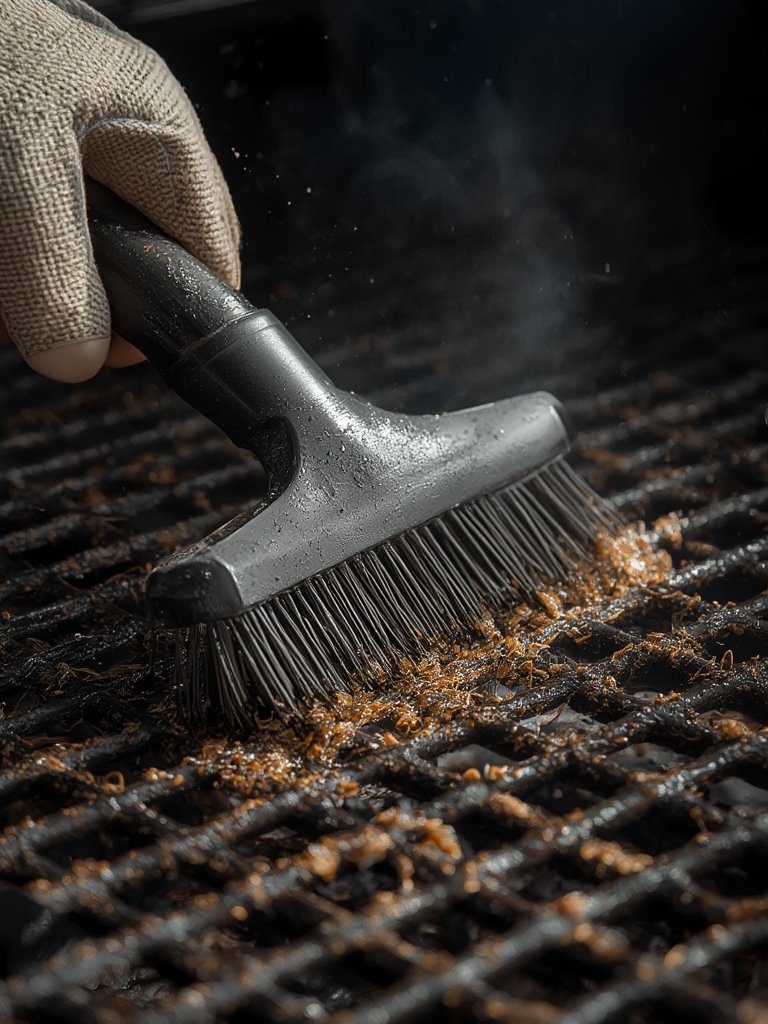
For more advice on kitchen tool maintenance, check out our Stainless Steel Garlic Press guide and Stainless Steel Cheese Grater advice for tips on maximizing tool lifespan and hygiene.
Advanced Analysis: Real Incidents, Alternatives, and Pitfalls
Leaving grill cleaning to chance can be dangerous. Real incidents show that even a single bristle missed on a grate could travel undetected into food and result in serious internal injury. A 2016 University of Missouri study estimated over 1,700 wire bristle injuries in the US from 2002 to 2014 (source). In 2026, Weber recalled 3.2 million wire bristle brushes after 38 reported incidents and 4 cases requiring medical treatment (source).
Despite the safety risks, most bristle-free grill brush alternatives lack public, independent comparisons on cleaning power or durability. However, users find nylon bristle and coiled metal models to be generally reliable if replaced routinely and used per instructions.
| Type | Cleaning Effectiveness | Durability | Safety | Maintenance |
|---|---|---|---|---|
| Metal Wire Bristle Brush | Excellent (when new) | Fair (bristles shed, wires bend) | Poor (risk of bristle ingestion) | Regular inspection, seasonal replacement required |
| Nylon Bristle Brush | Good (for cooled grates) | Fair (prone to melting on hot grills) | Good (no metal bristles) | Keep away from high heat, replace on wear |
| Bristle-Free Coil Brush | Good | Good | Excellent (no bristles) | Check coil shape, replace if warped |
| Pumice Stone/Grill Scraper | Good (for heavy debris) | Varies (wears down over time) | Excellent | Replace when stone thins |
Be aware that internal tests or comprehensive third-party reviews are still limited in 2024. For other buying tips focusing on kitchen tool safety and longevity, our guides on choosing heavy duty potato mashers and mortar pestle history and uses can help you evaluate other utensils with similar scrutiny.

Conclusion
Choosing the right grill brush is about more than just clean grates—it’s about keeping your meals safe. Recent incidents linked to wire bristle models are a wake-up call for all grillers. Always select bristle-free or nylon grill brushes, and don’t skimp on inspection and replacement. Upgrade your cleaning routine today and make sure your grill brush never risks your food, your family, or your peace of mind. Looking for more kitchen tools to keep your space safe? Browse our data-driven reviews on magnetic knife holders and easy manual citrus juicers to keep your cooking experience hassle free.
Ready for safer grilling? Replace your old grill brush and follow these tips at your next BBQ.
Frequently Asked Questions
Are all metal bristle grill brushes unsafe?
Not all are equally risky, but any grill brush with metal bristles can potentially shed, increasing the risk that bristles land in food. Regulatory agencies urge consumers to switch to safer alternatives.
How often should I replace my grill brush?
Replace your grill brush at least once per grilling season—or immediately if you notice loose bristles, cracks, or deformation. Non-bristle models may last longer but still need frequent inspection.
What is the safest alternative to a wire grill brush?
Bristle-free coil brushes, nylon bristle brushes (used on cooled grates), and grill scrapers or pumice stones are considered the safest options as of 2024.
Can I clean my grill with aluminum foil or household items?
Yes, a ball of aluminum foil held with tongs works in a pinch to scrub away food residue. However, it may not be as effective for heavy buildup as purpose-made tools.
Why do grills need special cleaning tools?
Grill grates accumulate baked-on grease and food that is difficult to remove with standard kitchen brushes or sponges. Specialized grill brushes and scrapers are designed to withstand these cleaning challenges without quick damage.