

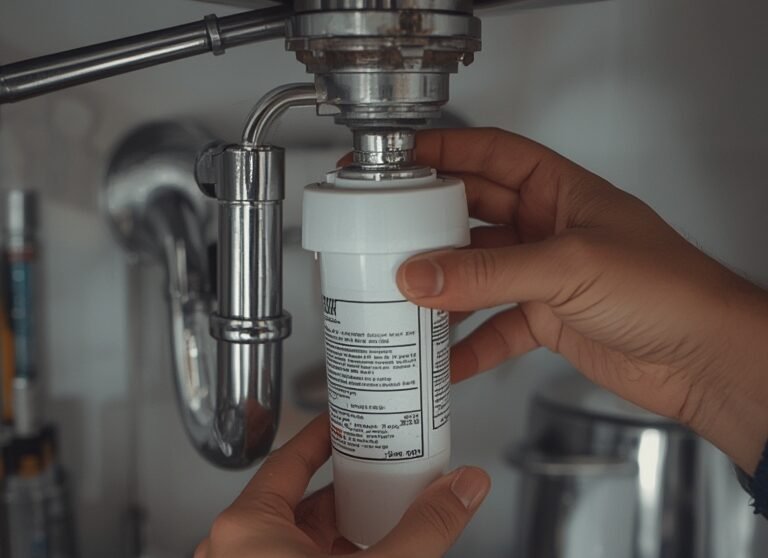
Hard water filter solutions are more important than ever if you live in a region with high water hardness. Hard water is a silent culprit behind dry skin, poor hair, limescale buildup, and short-lived appliances—issues that cost you time, money, and comfort. This guide cuts through marketing hype to show you exactly how to choose, use, and troubleshoot hard water filters in 2024 .
Key Takeaways :
- Over 85% of US households have hard water, causing limescale, reduced appliance lifespan, and skin irritation.
- Most shower filters reduce chlorine but do little for real hardness; whole-house systems offer true soft water but cost more upfront.
- Always check for independent certifications—like NSF/ANSI 177 for shower filters—to ensure advertised performance.
- Understanding Hard Water Filters: What & Why
- Choosing & Installing a Hard Water Filter: Step-by-Step
- Advanced Analysis & Common Pitfalls
- Conclusion
- Frequently Asked Questions
Understanding Hard Water Filters : What & Why .
Hard water filters target calcium and magnesium minerals that leave white residue on faucets, spots on glassware, and lead to dry skin or lifeless hair. These minerals, while not directly bad for your health, create limescale in plumbing, shorten appliance life, and ruin the “clean” feel after a shower. In 2024, cities like Las Vegas, San Antonio, Tampa, and Indianapolis report hardness from 12 up to 20 grains per gallon—a real, daily nuisance for most Americans. (HomeWater101)
Why does this matter? Limescale builds up inside water heaters, washing machines, kettles, and pipes, reducing efficiency and causing expensive breakdowns. On your skin and hair, hard water means sticky soap residue, itching, and dullness—especially if your home is in a hard water zone. (Top 12 US Cities: Hardest Water)
Installing a hard water filter can make cleaning easier, improve skin and hair, and preserve your household appliances. However, not all filters work the same way. It’s crucial to understand what you’re getting, whether you’re choosing a single shower filter or investing in a whole-house salt-based softeners.
If you like guides that break down what matters in the kitchen, check out our article on how to choose the best mortar and pestle for better ingredient prep.
Choosing & Installing a Hard Water Filter : Step-by-Step .
Selecting the right hard water filter involves understanding your water supply, household usage, and expectations. Here’s how to get it right:
- Test your water hardness. Use a simple test kit or request a report from your utility. Any reading above 7 grains per gallon suggests a real need for filtration or softening.
- Decide type and scope. Want only showers and skin/hair comfort? Consider a dedicated shower filter. Looking for total scale prevention and soft water everywhere? A whole-house (salt-based) softener provides measurable results.
- Check certifications. Only certified products guarantee claims—look for NSF/ANSI 177 for shower filters, NSF/ANSI 44 for whole-house softeners, and NSF/ANSI 42/53 for drinking water filters.
- Calculate ongoing costs. Cartridge replacement is a major expense, especially in very hard water. Always estimate annual costs based on your local hardness, not best-case ratings.
- Install carefully. Follow instructions and use thread tape to prevent leaks. If fitting is tough or your plumbing is older, you may need adapters or a pro installer.
- Maintain and monitor. Replace cartridges before flow slows or smell returns—don’t just trust claimed intervals. Take before/after hardness or chlorine readings where possible for proof.
In the market for a hard water filter for your kitchen? Workstation sinks with compatible filtration can help you prepare food and clean more easily.
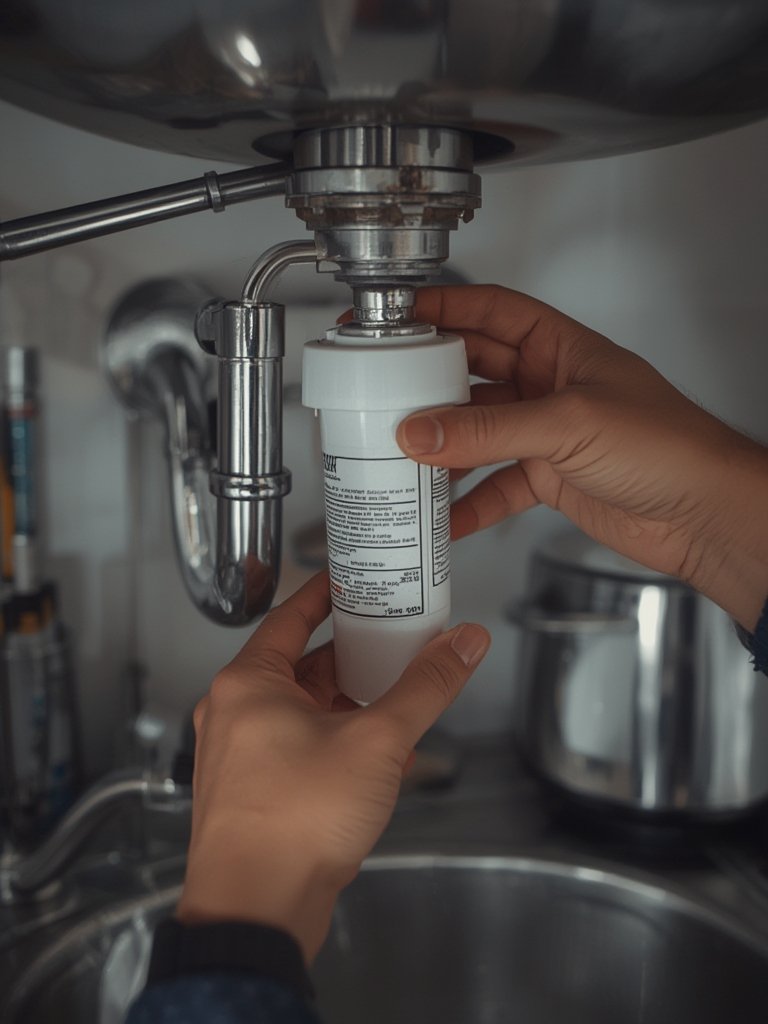
For under-sink drinking water, a reverse osmosis system removes most dissolved hardness, not just chlorine and odor. Compare this with advanced carbon filters, but be aware of refill and membrane costs over time.
Looking for small kitchen equipment recommendations too? See our guide to selecting the right stainless steel cheese grater for busy homes.
Advanced Analysis & Common Pitfalls .
Hard water filtration isn’t a one-size-fits-all solution. Here are real-world issues, based on recent consumer reviews and lab findings, that buyers run into most:
- Short-lived cartridges: In very hard water, cartridges for shower filters may only last 1–2 months versus the 6 months advertised—especially if your water is over 15 gpg. This quickly adds up in cost.
- Fit and leak headaches: Faucet threads may not match, supplies may need Teflon tape or extra adapters. Instructions are often unclear, and leaks at the joints are a recurring pain in reviews.
- Minimal softening effect: Most shower filters don’t use ion-exchange resin, so actual hardness reduction is tiny (and usually unmeasurable). You might notice less chlorine odor, but not the trademark “slick” soft water feel—setting the right expectation matters.
- Big upfront costs for true softening: Whole-house softeners fix pipes, appliances, and every tap, but you’ll spend $1,000–3,000 or more after installation. Water usage, salt, and brine disposal are real factors.
- Marketing vs reality: Many “hard water shower filters” promise soft water but only offer basic chlorine or odor reduction. Look for NSF/ANSI 177 on packaging, or request third-party performance data.
Check out our complete guide to Jolie shower filter reviews to see a real-world breakdown of filter expectations versus reality.
| Feature / Metric | Shower Filter Type A (KDF + GAC) |
Shower Filter Type B (Vitamin C + GAC) |
Shower Filter Type C (KDF + Resin) |
|---|---|---|---|
| Certification | NSF/ANSI 177 | Usually None | Sometimes 177 or only material safety |
| Cartridge Lifespan (Claimed) | 6 months / 10,000 gal | 3–6 months / 5,000–10,000 gal | 3–6 months |
| Chlorine Reduction (Real) | High (when new) | Good at low flow | Variable/Strong if certified |
| Hardness Reduction | Minimal | Minimal | Minimal; some scale effect possible |
| User Satisfaction Themes | Strong for chlorine removal, fair value when certified | Likes: design & skin feel; Complaints: short life | Positive if expectations set right |
On a budget or just want a quick improvement? Some clever homeowners use a heavy duty potato masher or garlic press to quickly break up limescale in kettles and cookware—a temporary fix, not a solution for pipes or skin.

Conclusion :
Hard water filter selection isn’t just about picking what’s popular. If you want real, long-term results, you must match the filter (or softener) to your local hardness and wallet. Only whole-house softeners give true soft water—shower filters are best for chlorine and odor, not for actual hardness reduction. Remember to demand certifications, measure your outcomes, and budget for ongoing costs before you buy. A smartly chosen hard water filter not only protects your skin and hair but also defends your appliances for years to come.
Ready to fix your hard water problems? Test your water and start your journey—choose a hard water filter that is proven, certified, and right for your needs.
FAQ :
Do hard water filters actually soften water ?
Most shower and sink filters do not soften water in the traditional sense. Only whole-house salt-based softeners truly remove hardness minerals. Shower filters mainly reduce chlorine but have minimal impact on hardness (gpg levels).
How often do I need to replace cartridges in hard water areas ?
In very hard water (over 12 gpg), cartridges often last only 1–2 months, even if packaging claims 6 months or 10,000 gallons. Always monitor water flow and smell, and budget for more frequent replacements.
Is a shower filter enough if my main concern is skin and hair irritation ?
If your goal is to get rid of chlorine odor and some dryness, a certified shower filter helps. But for true “soft water feel” or to stop scale on glass/tiles, a whole-house softener is needed.
How can I check if my hard water filter is really working ?
Use a pool or aquarium test strip to measure hardness or chlorine before and after installation. For best results, look for products with NSF/ANSI certification and documented lab test data.
What’s the difference between “salt-free softeners” and regular water softeners ?
Salt-free systems (like template-assisted crystallization) change the way minerals behave but don’t remove them. Regular (salt-based) softeners do remove calcium and magnesium, providing measurable softness and reducing scale.
[…] Think About water filtration: Especially in hard water areas, a poor filter or no filter means more frequent descaling and taste problems. See tips from related kitchen maintenance guides like this hard water filter guide. […]