

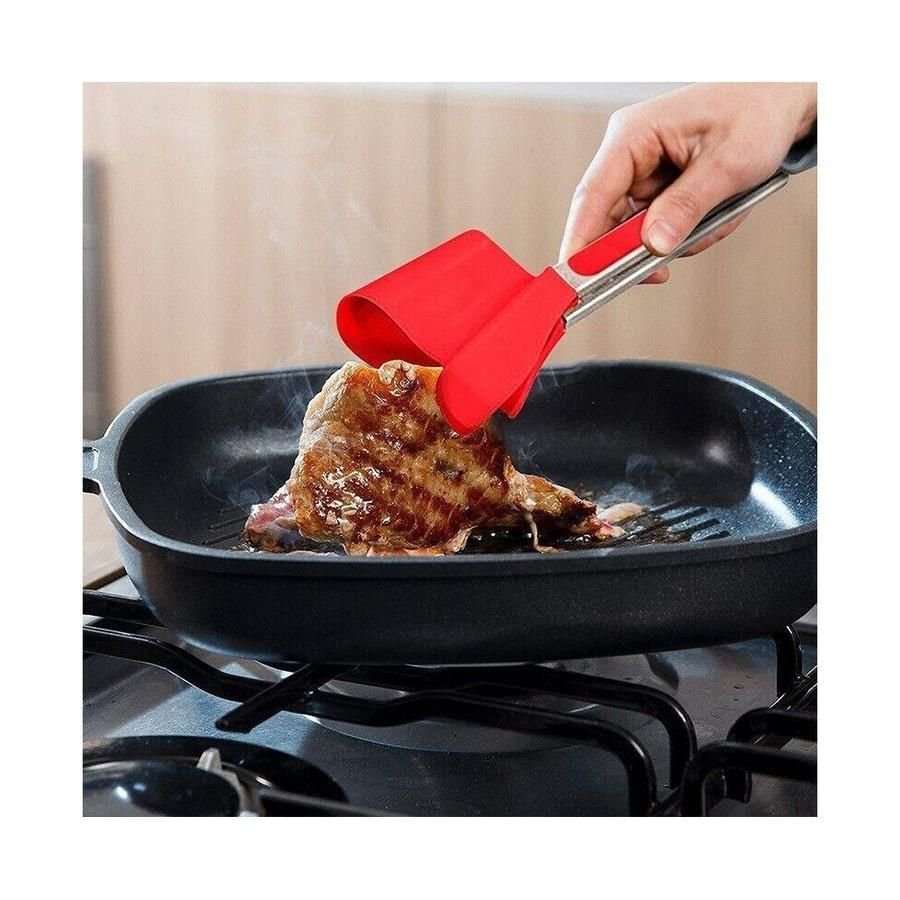
Heat resistant kitchen tongs are indispensable for safe and efficient cooking. Whether you’re grilling, baking, or sautéing, the right pair protects your hands and enhances control. This article explores everything you need to know about heat resistant kitchen tongs, from their materials to their many uses, ensuring your kitchen is equipped for any culinary challenge.
Table of Contents
Understanding Heat Resistant Kitchen Tongs
Heat resistant kitchen tongs stand out as an essential tool for both professional chefs and home cooks who routinely handle hot foods, cookware, and grills. Unlike ordinary tongs, which may be made from materials that warp, melt, or transfer heat dangerously, heat resistant tongs are designed specifically to endure high temperatures without degrading or risking user safety. A defining feature of these tongs is their ability to withstand direct contact with sources of intense heat—like open flames, hot oil, boiling water, or oven racks—without becoming too hot to handle or suffering from structural damage.
Heating foods or working above a stove often requires manipulating items that are too hot for traditional utensils or bare hands. Using regular tongs constructed from everyday plastics or thin metals can be hazardous, as these materials might deform, become slippery, or even leach chemicals when exposed to high temperatures. In contrast, heat resistant kitchen tongs remain stable, do not flex unexpectedly, and help maintain a firm grip—even when used with slippery or heavy foods.
The importance of heat resistance goes beyond mere durability. It significantly reduces the risk of burns, accidents, and contamination, as the insulated handles and carefully engineered gripping surfaces allow users to safely turn steaks in a sizzling frying pan, extract corn on the cob from boiling water, or manipulate delicate pastries on hot baking trays. For grilling, these tongs enable flipping meats and vegetables over hot coals or gas burners, something that would be perilous with conventional tongs.
Certain tasks, such as frying doughnuts, retrieving toast from a toaster, or handling sugar work in confectionery, are made far more efficient and secure with heat resistant tongs. Their specialized design ensures that kitchen tasks can be accomplished with precision and peace of mind, even under demanding, high-heat conditions.
Materials and Construction
When examining the materials and construction of heat resistant kitchen tongs, it’s clear that material science plays a crucial role in their performance and safety. The most commonly used materials are stainless steel, silicone, and heat-resistant plastics, each offering distinct properties.
Stainless steel is a popular choice due to its exceptional resistance to corrosion and structural warping even when exposed to high temperatures. According to sources such as Wikipedia’s articles on stainless steel and cookware, this alloy maintains mechanical integrity at temperatures well above typical cooking scenarios, often exceeding 500°C (932°F). Furthermore, stainless steel tongs are extremely durable and can withstand repeated washing without degrading. However, their conductivity means they may retain heat, so well-designed grips or silicone inserts are essential for user comfort. Stainless steel is also heavier, which can be a drawback for those preferring lighter kitchen tools.
Silicone, another prevalent material, has gained popularity thanks to its flexibility and ability to remain stable up to 260°C (500°F) or higher. Medical-grade and food-grade silicones used in kitchen utensils are inert, non-toxic, and do not leach chemicals, as described in the Wikipedia entry on silicone rubber. Silicone-tipped tongs offer excellent grip, are gentle on nonstick cookware, and can be safely cleaned in dishwashers. Nevertheless, silicone’s pliability sometimes limits its use with heavier foods or for grilling tasks that require more rigidity.
Heat-treated plastics represent another evolution in kitchen tong construction. Polymers like nylon can be engineered to tolerate temperatures around 200°C (392°F), making them suitable for most stovetop cooking. These plastics are light, resistant to staining, and easy to clean. However, their heat tolerance is usually lower than that of stainless steel or silicone, and they may deform if left in hot pans for extended periods.
- Stainless steel: Highly durable and heat-resistant, but conducts heat and can be heavy.
- Silicone: Flexible, nonstick safe, and easy to clean, but sometimes lacks rigidity for heavier tasks.
- Heat-resistant plastics: Lightweight and inexpensive, but generally have lower temperature thresholds and durability.
Understanding these materials and their construction helps users select tongs that match their cooking preferences, durability expectations, and cleaning habits.
Advantages of Using Heat Resistant Tongs
Using heat resistant tongs in both domestic and professional kitchens offers a range of significant benefits that directly impact cooking safety, efficiency, and utensil durability. A primary advantage is the enhanced safety they provide: heat resistant tongs are engineered to withstand high temperatures, making it far less likely for the user to suffer burns or accidental injuries when grilling, searing, or handling hot cookware. Unlike traditional metal-only tongs that may heat up quickly and transfer dangerous temperatures to your hand, advanced silicone-coated or composite designs act as thermal barriers, keeping the handle comfortably cool even during prolonged use.
Versatility is another strong point. Modern heat resistant tongs, particularly those integrating silicone tips, can safely interact with a variety of cookware surfaces—ranging from stainless steel to non-stick and ceramic—without scratching or damaging them. This ability makes them indispensable for cooks who use diverse kitchen equipment. Furthermore, silicone and high-performance composites deliver excellent grip, allowing for more precise control when handling delicate foods such as fish fillets or slippery vegetables.
Hygiene is greatly improved as well. Many heat resistant tongs are designed for easy cleaning, often being dishwasher safe. Non-porous silicone surfaces do not absorb odors or flavors and resist bacteria buildup better than some traditional materials. This reduces food cross-contamination and supports higher kitchen sanitation standards, a crucial factor in both home and commercial settings.
Longevity is a defining attribute. The resilience of materials like silicone and reinforced composites means these tongs don’t warp, chip, or rust over time, unlike older metal models. Advances in material science have brought about highly durable tongs that retain their structural integrity and performance after repeated exposure to high temperatures, aggressive ingredients, and cleaning cycles. By combining these key benefits, modern heat resistant tongs offer a safer, more hygienic, and reliable choice for today’s cooks.
How to Choose the Right Pair
Selecting the right pair of heat resistant kitchen tongs can transform your cooking experience, but with so many options on the market, it’s important to be discerning. The first step is to assess your primary cooking needs. For grilling or deep frying, opt for tongs that are at least 12 inches long to keep your hands safely away from intense heat. Shorter tongs, around 9 inches, offer superior control for flipping or serving at the stovetop, but may expose you to splatters.
Consider the kitchen environment when choosing materials. For non-stick cookware, silicone-tipped tongs are ideal because they prevent scratches and are gentle on sensitive surfaces. Stainless steel tongs, while highly durable, are best suited for use with uncoated metal cookware, grills, or when durability is a priority. Composite or nylon tips can offer good heat resistance, though typically up to lower maximum temperatures than silicone or metal.
Evaluate the grip—look for tongs with an ergonomic, non-slip handle. Some models feature soft-touch silicone grips which reduce hand fatigue, while others offer integrated thumb rests for even better control. The presence of a secure locking mechanism is also a valuable feature, enabling compact storage and preventing the tongs from springing open unexpectedly.
Pay attention to hinge construction; solid, well-riveted hinges outlast cheaper, loosely riveted ones and can withstand repetitive use.
A practical checklist when evaluating tongs:
- Are they long enough for your intended tasks?
- Is the material suitable for your cookware?
- Is the grip secure and comfortable?
- Do they have a reliable locking mechanism?
- Is the hinge sturdy and smoothly operating?
- Do they fit within your budget without compromising essential features?
Matching tongs to your kitchen setup ensures safety, efficiency, and a pleasurable cooking routine.
Care and Maintenance Tips for Longevity
Proper care and maintenance are crucial for ensuring your heat resistant kitchen tongs continue to perform safely and efficiently throughout their lifespan. Regardless of the material, always clean your tongs promptly after each use. For stainless steel tongs, handwashing with warm, soapy water removes grease and prevents rust. Some are dishwasher safe, but frequent high-temperature dishwashing can dull finishes over time, so inspect manufacturer guidance. When cleaning silicone-tipped or fully silicone tongs, avoid abrasive scrubbing pads which can create small tears in the silicone, compromising its heat-resistance and cleanliness. Silicone is non-porous but can retain strong odors; soaking in a mix of baking soda and water will help neutralize smells.
When drying metal tongs, especially aluminum or stainless steel, thoroughly towel-dry them to prevent mineral spots and rust. Leaving metal utensils air-drying on damp surfaces is a common mistake; always store dry tongs in a well-ventilated utensil holder or drawer. For silicone, ensure all water is shaken out of crevices near handles or locking mechanisms, so mold doesn’t develop. Never expose silicone tongs to direct flame or place them on hot burners, as extreme direct heat can cause warping or melting, even if the tool is marketed as heat-resistant.
Wood-handled tongs require additional care: avoid prolonged submersion as wood can swell or crack. Periodically condition the wood with food-safe mineral oil to prevent drying and splitting. When storing, keep all tongs separate to avoid tangling or unintentional bending of the arms, which can loosen the joint mechanism. Regularly check for loose rivets, sticky locking mechanisms, or frayed silicone edges. Tighten any loose screws or discard tongs if there is visible structural damage. With attentive care, your heat resistant tongs will remain safe, sanitary, and effective for years of diverse culinary tasks.
Conclusions
Heat resistant kitchen tongs are a crucial tool for safe and efficient cooking. By understanding their materials, advantages, and maintenance requirements, you can confidently select the best tongs for your kitchen. Investing in quality, heat resistant tongs ensures durability, improved cooking safety, and enhances your overall culinary experience.
If you’re upgrading your cooking tools , check our Kitchen Tools & Appliances category to compare high-performance accessories for everyday cooking .