

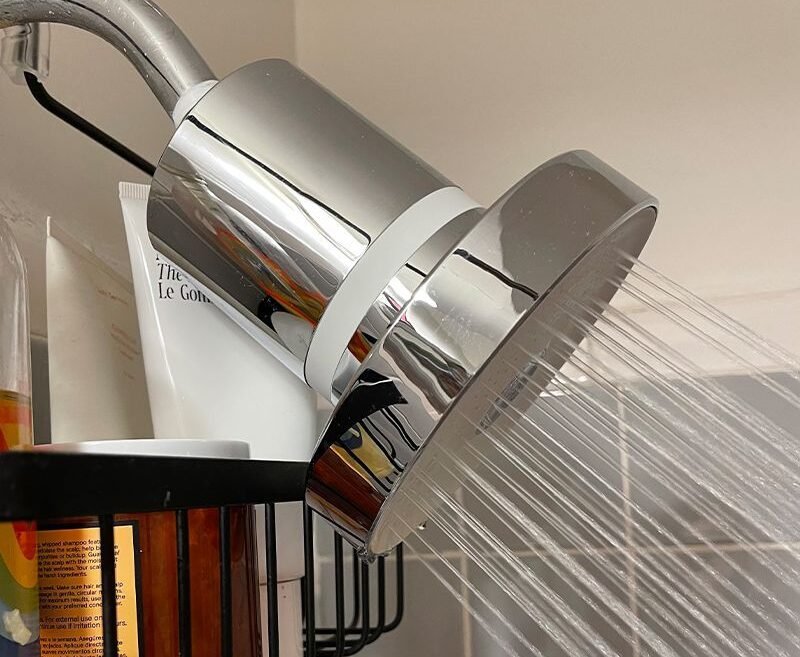
Jolie Filter is one of the most talked-about shower filters for anyone seeking softer hair and smoother skin in hard water regions. But does it actually work beyond the marketing? This guide cuts through the hype to show you what the Jolie filter can and can’t do, based on real lab data, user reviews, and a direct look at the competition.
Key Takeaways
- Jolie filter removes chlorine effectively but does not soften hard water in any meaningful way—expect little difference if your main worry is limescale or minerals.
- Most users report subjective hair and skin benefits, yet clinical evidence is minimal and technical reviews highlight basic contaminant reduction only.
- Ongoing costs are higher than many KDF alternatives, and real NSF/ANSI 177 certification is absent according to independent database checks.
- 1. The Core Concept
- 2. Step-by-Step Guide
- 3. Advanced Analysis & Common Pitfalls
- 4. Conclusion
- 5. FAQ Section
The Core Concept : What the Jolie Filter Actually Does (& Doesn’t)
The Jolie filter is a premium KDF-55 and calcium sulfite showerhead filter designed primarily to reduce chlorine from municipal tap water. The filter targets free chlorine—a known skin and hair irritant—but it has a negligible effect on water hardness, meaning calcium and magnesium (the minerals that cause limescale) pass right through. If you are mainly hoping to eliminate dry skin or brittle hair caused specifically by hard water minerals, the Jolie filter won’t solve your problem. If your water is heavily chlorinated and you want to decrease chlorine exposure, that’s where Jolie delivers.

Independent testing confirms this divide: one test saw only a drop from 128 ppm to 127 ppm in hardness—less than 1% change—after passing through the Jolie filter (sour ce). Meanwhile, chlorine dropped from 2 ppm to zero. Many lifestyle reviews claim softer hair and smoother skin, but these results are subjective. Dermatology research does support that chlorine and hardness can irritate skin/hair, but clinical evidence that a filter like Jolie directly leads to visible cosmetic improvement is sparse (source).
Step-by-Step Guide : Using a Jolie Filter for the Best Results .
Getting the most from the Jolie filter is easy, but expectations must be clear. Here’s how to set up and use your filter so you maximize benefits—while avoiding common mistakes.
- Unbox and Prep: The Jolie arrives with its own heavy-duty wrench and, often, the filter cartridge pre-installed. Remove any old Teflon/plumber’s tape from your shower pipe.
- Install with Care: Wrap the threads with the included plumber’s tape for a tight seal. Screw on the Jolie by hand, then tighten gently with the provided wrench. Avoid overtightening.
- Flush Before Use: Turn on cold water and run for a couple minutes. This step is vital—don’t skip it.
- Set a Reminder: Mark your calendar or phone for 90 days. After this, the cartridge should be replaced to maintain optimal chlorine reduction.
- Monitor Flow and Feel: Jolie’s high 2.2 GPM flow means shower pressure will remain strong, unlike some multi-stage filters.
- Replace Cartridge: Unscrew the housing, pull out the old filter, pop in the new one, and reseal. Twist-on/off design makes this easy.
- Track Your Results: Take a before/after photo or keep notes if you’re hoping for skin or hair improvements, so you can evaluate changes objectively.
For installation, Jolie has a true advantage: total setup time is often under 2 minutes (source). This is faster and simpler than most multi-piece units such as Sprite or the Sprite Slimline competitor, which require detaching/reattaching separate filter housings and can span 5–10 minutes.
Don’t forget: The biggest mistake is expecting a shower filter, even a top-rated one like Jolie, to soften hard water or act as a true “softener.” It simply won’t, and knowingly pairing it with a manual descaling routine is a smart workaround—especially if you’re after sparkling surfaces, not just softer-feeling hair.
Advanced Analysis & Common Pitfalls
Even with a premium filter like Jolie, there are known limitations and mistakes that trip up buyers. Understanding these, plus realistic competitor comparisons, will help you make the smartest possible decision.
Performance Realities: Jolie in the Real World
- Negligible Effect on Hardness: If you have visible limescale, cloudiness, or hard water stains, don’t expect change. Hardness dropped < 1% in independent testing (source).
- Chlorine-Free But Not Chemical-Free: While Jolie removes chlorine well, testing shows trihalomethanes (THMs) and other byproducts barely change. Competing “multi-stage” filters may do better on DBPs.
- Filter Life vs. Marketing: While some brands market 6-month filter life, effective chlorine reduction may taper sooner. Jolie’s 3-month schedule is honest but means more cartridge swaps (and higher cost) annually.
- Potential for Leaching: Lab results showed a sharp zinc increase and a non-trivial fluoride rise after Jolie filtration, likely from KDF media. This goes unmentioned in most lifestyle reviews (source).
- Certification Mismatch: Jolie repeatedly claims “NSF Certification,” but no Jolie model is listed in public NSF databases (source).
- Subjective Improvements: Most real skin/hair benefit reports are anecdotal. Dermatology data supports the concept but stops short of proving big cosmetic results from any non-softening shower filter.
Comparison: Jolie vs. Other 2024 Shower Filters
| Feature | Jolie | Sprite Slimline 2 (KDF) | Weddell Duo (Multi-stage) |
|---|---|---|---|
| Filter Media | KDF-55 + Ca sulfite | KDF + options | KDF + carbon + stages |
| Hardness Removal | Negligible (<1%) | Also negligible | Still negligible (better DBP control) |
| Chlorine Reduction | Excellent (2 ppm → 0 ppm) | Similar; many models NSF 177 certified | Excellent, NSF 177 listed |
| THMs/DBPs | Minimal reduction | Minimal reduction | Strong reduction |
| Flow Rate | ~2.2 GPM (high) | 1.8–2.0 GPM | Lower (multi-stage drag) |
| Cartridge Life | 3 months | Up to 6 months | 3–6 months |
| Certification | No public NSF 177 | Many units NSF 177 | NSF 177 confirmed |
| Annual Cost | High (frequent premium swap) | Lower | Mid-high (varies) |
Jolie stands out for design, user experience, and high flow—but not technical uniqueness. The internal filtration approach is standard KDF-55 seen in less expensive filters, yet cartridge costs and premium pricing are higher. If you want the sleekest design and easiest installation, Jolie delivers. For maximum contaminant coverage, especially for DBPs or if certification matters most, explore multi-stage or certified alternatives.
Common User Pitfalls
- Expecting “soft” water: Jolie and similar filters don’t remove calcium/magnesium, so limescale persists.
- Assuming full contaminant removal: THMs, microplastics, and fluoride are largely unchanged; if your goal is true chemical minimization, the Jolie filter isn’t enough.
- Believing all certification claims: Double-check any “NSF” badge; many marketing claims aren’t backed by public records.
- Ignoring ongoing costs: At 4 swaps/year, Jolie’s cartridges cost significantly more than most generic KDF units.
- Not considering niche needs: If you’re on well water or have skin issues not related to chlorine, benefits may be minor.
For other actionable, kitchen-oriented guides, check out how to select kitchen tools or our overview of egg separators.
Conclusion
Jolie is an attractive, high-flow, and easy-to-install shower filter that excels at removing chlorine but is not a miracle worker for hard water or multi-contaminant reduction. Its strengths are strong shower feel, premium design, and honest filter life, while key drawbacks are unverified certifications, persistent limescale, and high ongoing costs compared to standard KDF competition. If reducing chlorine is your top concern, and you value aesthetics and installation speed, Jolie is a good fit. For true softening or maximum filtration, shop around. Always review third-party lab tests and certification records before you commit. Weigh your priorities and budget before choosing jolie filter as your solution.
Ready to make a smarter upgrade to your shower? Do your research, check your actual water quality, and compare models to find the right fit for your needs.
FAQ Section
Does the Jolie filter soften hard water?
No, Jolie does not remove hardness minerals like calcium or magnesium. Independent lab results show negligible change in water hardness after filtration.
Is Jolie really NSF certified?
No. Despite repeated marketing claims, independent checks of public NSF/ANSI 177 certification databases have not found Jolie listed as certified. Always verify such claims before purchasing.
How often should I replace the Jolie filter cartridge?
Every 3 months is recommended for continuous high chlorine removal. Longer intervals will reduce efficiency and may allow chlorine through.
Does Jolie filter out fluoride or heavy metals?
No. In fact, some independent tests indicated a slight increase in fluoride and zinc after filtration, likely from leaching in the KDF media. If you need fluoride or metal removal, look for a multi-stage filter specifically rated for these contaminants.
Will the Jolie filter help with eczema or dandruff?
Some users report subjective improvements due to chlorine reduction, but there is little controlled clinical evidence directly tying these filters to improvements in eczema, dandruff, or other skin/hair conditions. Results vary.
—
[…] out our complete guide to Jolie shower filter reviews to see a real-world breakdown of filter expectations versus […]