

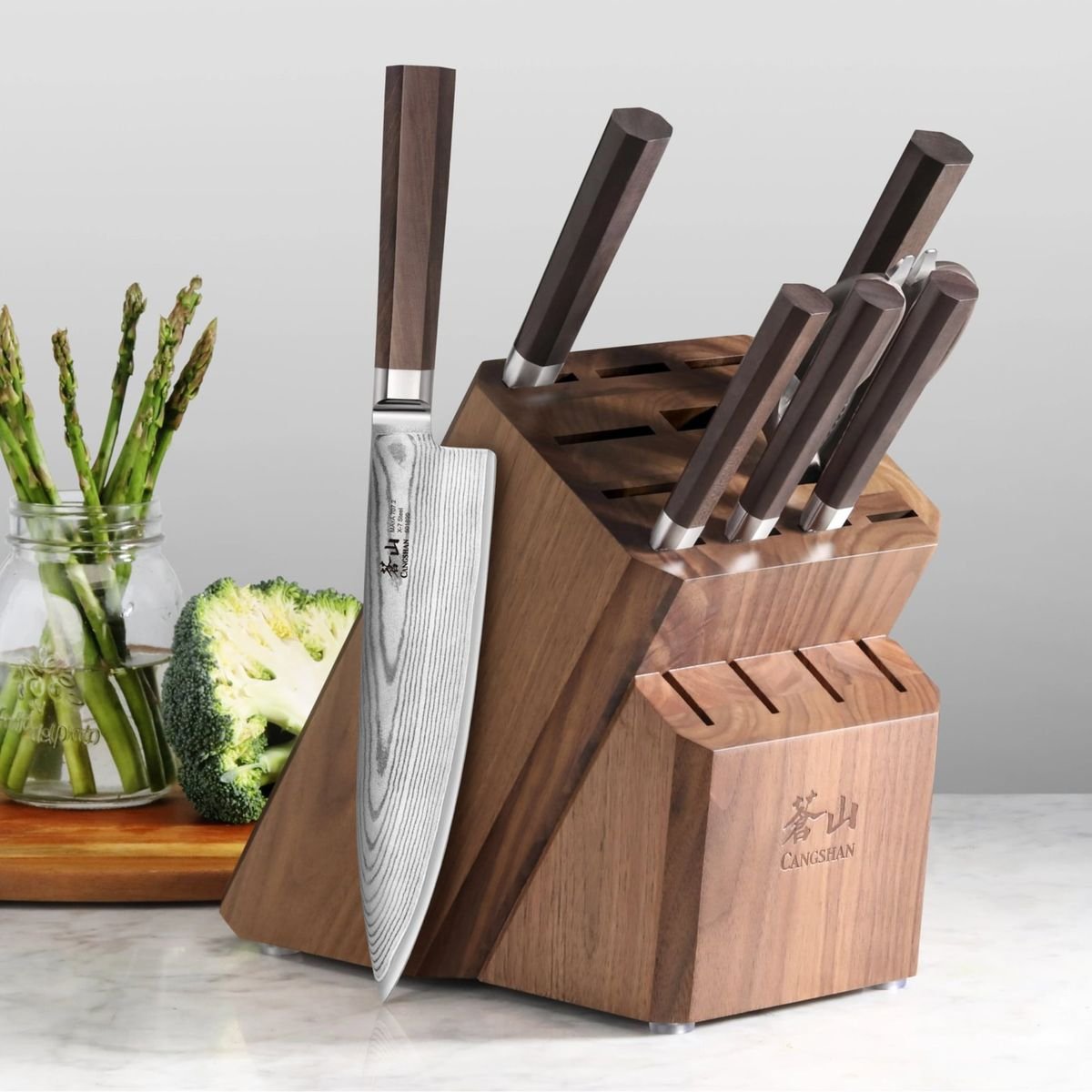
Efficient knife storage is essential for every kitchen, improving both safety and organization. Whether you’re a professional chef or a home cook, finding the perfect method to store and access your knives can elevate your culinary experience and keep your workspace clutter-free. In this article, we’ll deeply explore the best knife storage ideas, from classic methods to modern innovations.
Table of Contents
Essential Knife Storage Ideas for a Safer Kitchen
Essential knife storage ideas play a crucial role in creating a safer, more efficient kitchen environment. Proper storage prevents accidental cuts, improves workflow, and reduces the risks associated with leaving sharp blades loose in drawers or scattered on countertops. According to the U.S. Consumer Product Safety Commission, kitchen knives are among the top causes of kitchen-related injuries—highlighting the importance of thoughtful, secure storage solutions.
In addition to safety, these essential knife storage ideas help protect the knives themselves. When blades collide with other utensils or hard surfaces, they can dull rapidly, develop chips, or even begin to corrode. As knife expert Chad Ward explains in An Edge in the Kitchen, improper storage accelerates wear and shortens the lifespan of quality blades. Using organized systems such as magnetic racks, knife blocks, or dedicated drawer inserts preserves each knife’s sharp edge by keeping blades separated and properly supported.
Clutter reduction is another significant benefit. A well-implemented storage system ensures each knife has a designated spot, making it easy to find the right tool without digging through chaotic drawers. This boosts both efficiency and kitchen aesthetics, creating a tidy workspace that supports smooth meal preparation.
Over time, essential knife storage ideas have evolved from simple wooden racks to innovative modern solutions designed with safety and ergonomics in mind. This evolution reflects a broader shift toward smarter kitchen organization, emphasizing accessibility, hygiene, and durability while maintaining visual appeal.
Traditional Knife Blocks and Their Modern Alternatives
Traditional knife blocks have long been a kitchen staple thanks to their simplicity and classic design. As one of the most familiar essential knife storage ideas, they keep knives accessible on the countertop while preventing blades from clashing with other utensils.
However, these blocks also come with limitations. Their fixed slots restrict compatibility, making it difficult to store specialty knives such as cleavers, Japanese blades, or long carving knives. Sanitation is another concern—deep slots can trap moisture and food particles, creating ideal conditions for bacterial growth if the block isn’t cleaned regularly.
Despite their benefits, traditional blocks highlight why exploring modern essential knife storage ideas is important for safer, more versatile, and hygienic knife organization.
Responding to these drawbacks, modern alternatives have emerged to offer greater flexibility and aesthetic appeal. Universal knife blocks, for example, employ flexible bristles or rods that allow any knife size or shape to fit, making them a more versatile surface-side solution. Magnetic knife holders—either freestanding blocks or wall-mounted racks—are another popular advancement. These use strong magnets to safely secure metal blades, keeping them visible for quick selection and ensuring airflow around the edges, decreasing the risk of trapped moisture. Wall-mounted magnetic racks, in particular, free up valuable counter space and can double as striking visual displays of a well-curated knife collection.
Drawer inserts, designed specifically for knives, enable secure in-drawer storage. Inserts made from wood or plastic, with individual slots, keep blades separate and organized while protecting edges. This option is especially suitable for kitchens with limited counter space or for those who prefer an uncluttered look. However, drawer inserts are generally best suited for Western chef knives, paring knives, and utility blades, and may not accommodate extra-large or irregularly shaped knives.
The choice among these solutions impacts not just practicality but also kitchen style and safety. While traditional blocks evoke a sense of warmth and familiarity, modern options can elevate a space with minimalist or professional flair, all while enabling greater versatility and cleanliness.
Magnetic Strips for Space Saving and Easy Access
Among the many innovative solutions for knife storage, magnetic strips stand out for their remarkable ability to save counter space while keeping knives effortlessly accessible. Unlike bulky blocks, magnetic strips free up valuable work surfaces and transform an empty wall or cabinet side into an organized display for your most-used culinary tools. By suspending knives securely in plain sight, these strips not only reduce clutter but also support an efficient cooking routine by putting each blade at your fingertips.
When exploring essential knife storage ideas, magnetic strips stand out for their flexibility and space-saving design. These holders can be mounted horizontally, vertically, or even beneath cabinets, adapting easily to any kitchen layout. Placing them near your main prep area boosts efficiency, while installing them higher on the wall keeps sharp blades safely out of reach in homes with young children. For added protection, some magnetic holders include a built-in cover to prevent accidental contact.
Magnetic strips work perfectly with most metal knives, but they are less suitable for ceramic blades or fragile antique knives that may chip if snapped onto a strong magnet. Before choosing one, evaluate the strip’s magnetic strength and spacing to ensure it can safely support thicker or unusually shaped blades without compromising ease of removal.
These magnetic racks also offer plenty of aesthetic options—sleek stainless steel for modern kitchens, warm wood for rustic spaces, or colorful metal finishes for bold accents. Some models even feature hidden magnets within wood housings for a softer, more natural look. As one of the most practical essential knife storage ideas, magnetic strips keep knives visible, organized, and accessible while enhancing the overall style of your culinary workspace.
In-drawer Organizers and Hidden Storage Solutions
For homeowners seeking discreet solutions, in-drawer organizers are among the most essential knife storage ideas for maintaining a clean, clutter-free kitchen. By storing knives inside drawers, you free up valuable counter space while keeping sharp blades safely out of sight. This hidden approach also reduces the risk of accidental contact—an important consideration in busy family kitchens or compact layouts.
In-drawer knife trays come in materials like bamboo, durable plastic, or custom-cut wood. Each tray typically includes individual slots designed to secure every knife in place. These slots prevent blades from rubbing together, reducing dullness and extending knife lifespan. They also provide quick visual organization, making it easy to identify and retrieve the right knife without rummaging.
Custom-fit trays further enhance these essential knife storage ideas by maximizing drawer space and maintaining perfect separation between knives and other utensils. This improves kitchen sanitation, protects your blades, and keeps your entire workspace more efficient and orderly.
Beyond standard trays, hidden storage options can be integrated during kitchen renovations or even retrofitted into existing cabinetry. Under-counter knife slots, often built into the cabinet frame directly beneath the worktop, offer immediate access right where food prep takes place without occupying any external footprint. Pull-out racks within lower cabinets work similarly: mounted on smooth glides, these racks conceal even large knife collections yet make each piece accessible with a gentle pull. For the ultimate in discretion and personalization, some opt for bespoke knife blocks that hinge out from inside upper or lower cabinets, combining secure storage with minimalist design.
By reducing visible clutter and separating sharp tools from other kitchen gear, in-drawer and hidden storage not only improve safety—by minimizing exposed blades and keeping knives away from children—but also streamline workflow, enabling intuitive, efficient meal preparation without searching or sorting.
Maintaining Knife Storage for Longevity and Hygiene
Proper upkeep of your chosen knife storage solution is essential not only for prolonging the life of your knives but also for safeguarding you and your family’s health. Whether you use classic wooden knife blocks, magnetic strips, or newly installed in-drawer systems, regular maintenance ensures that each storage option performs optimally over time.
For wooden knife blocks, cleaning routines should be thorough but gentle. Crumbs, food particles, and moisture can easily get trapped in the slots, fostering bacterial growth. Turn the block upside down and shake it gently to dislodge debris, then use a thin brush or pipe cleaner to clean inside the slots. Disinfect periodically by wiping the block with a solution of mild soapy water or a vinegar-water mix, then let it air dry completely—never place a damp block back on the counter, as trapped moisture can lead to mold and warping.
Magnetic knife strips demand a different approach. Wipe the strip frequently with a damp cloth to remove dust and kitchen grime, particularly in the crevices where knives make contact. Occasionally, remove all knives and sanitize the strip with an antibacterial cleaner, ensuring the surface is thoroughly dry before placing knives back. Stainless steel strips should be checked for signs of rust or delamination; address these issues immediately to prevent damage to knife blades.
Hygiene is equally vital for in-drawer trays and inserts. Pull out the organizer and vacuum or wipe away crumbs. Wash removable trays with hot, soapy water, and allow them to dry well before reinserting. For fixed systems, use an alcohol-based wipe and dry completely.
Regardless of storage type, always stow clean, fully dry knives—never put away a damp blade. Establish a monthly inspection routine to check for splintering, rust, or hidden debris. Dull blades or loose storage fittings should be addressed right away to maintain both safety and the sharpness needed for effortless food prep.
Conclusions :
Essential knife storage ideas play a crucial role in boosting kitchen safety and improving day-to-day efficiency. Whether you choose traditional blocks, modern magnetic strips, or hidden in-drawer organizers, each option offers unique advantages tailored to different kitchens and cooking styles.
By applying these essential knife storage ideas and maintaining your chosen system properly, your knives remain sharp, hygienic, and easy to access. With thoughtful selection and regular upkeep, you can create a safer workspace and ensure that every blade in your collection performs at its best.
For even more ways to upgrade your kitchen workflow, explore our Kitchen Tools category to find additional essentials that enhance precision, speed, and creativity.