

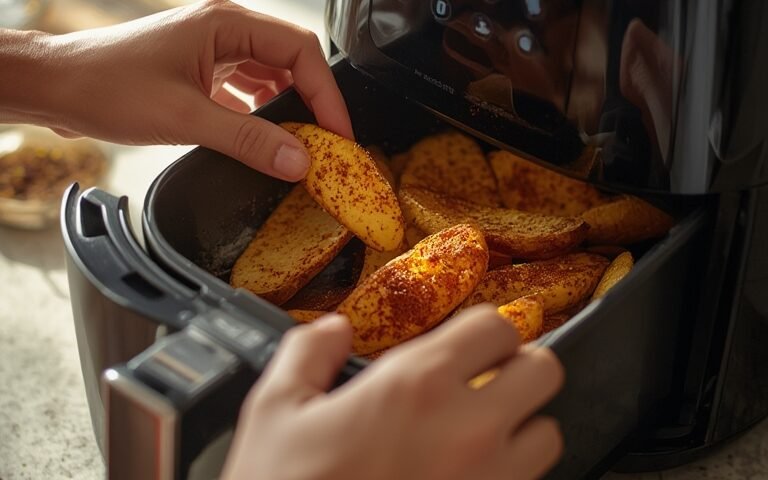
Portable air fryer sales are surging in 2024 thanks to small kitchens, dorms, and RVers needing crisp food fast without the bulk. But is a portable air fryer really the best fit for your lifestyle? Here’s a practical guide that cuts the hype and delivers what you truly need to choose—and use—a compact air fryer the right way.
Key Takeaways
- Portable air fryers offer real countertop and storage space advantages, but most models fall within 2L to 5L capacity—know what fits your needs before you buy.
- Basket-style models dominate for affordability and usability, but cleaning ease and wattage vary more than you might expect in small units.
- Market data shows strong growth but beware of missing details on durability and performance—especially for travel and RV use.
- What Exactly Is a Portable Air Fryer and Why Choose One?
- How to Choose and Use a Portable Air Fryer (Actionable Checklist)
- Advanced Analysis: Pitfalls, Real-World Challenges, and Model Comparisons
- Conclusion: Are Portable Air Fryers Worth It?
- FAQ
What Exactly Is a Portable Air Fryer and Why Choose One?
A portable air fryer is a compact, lightweight appliance designed to crisp and cook food using rapid hot air circulation, without the need for oil splatter or a large kitchen footprint. These units typically fall in the 2L-5L basket range, making them much easier to fit on crowded counters or inside tight RV galleys than traditional models.
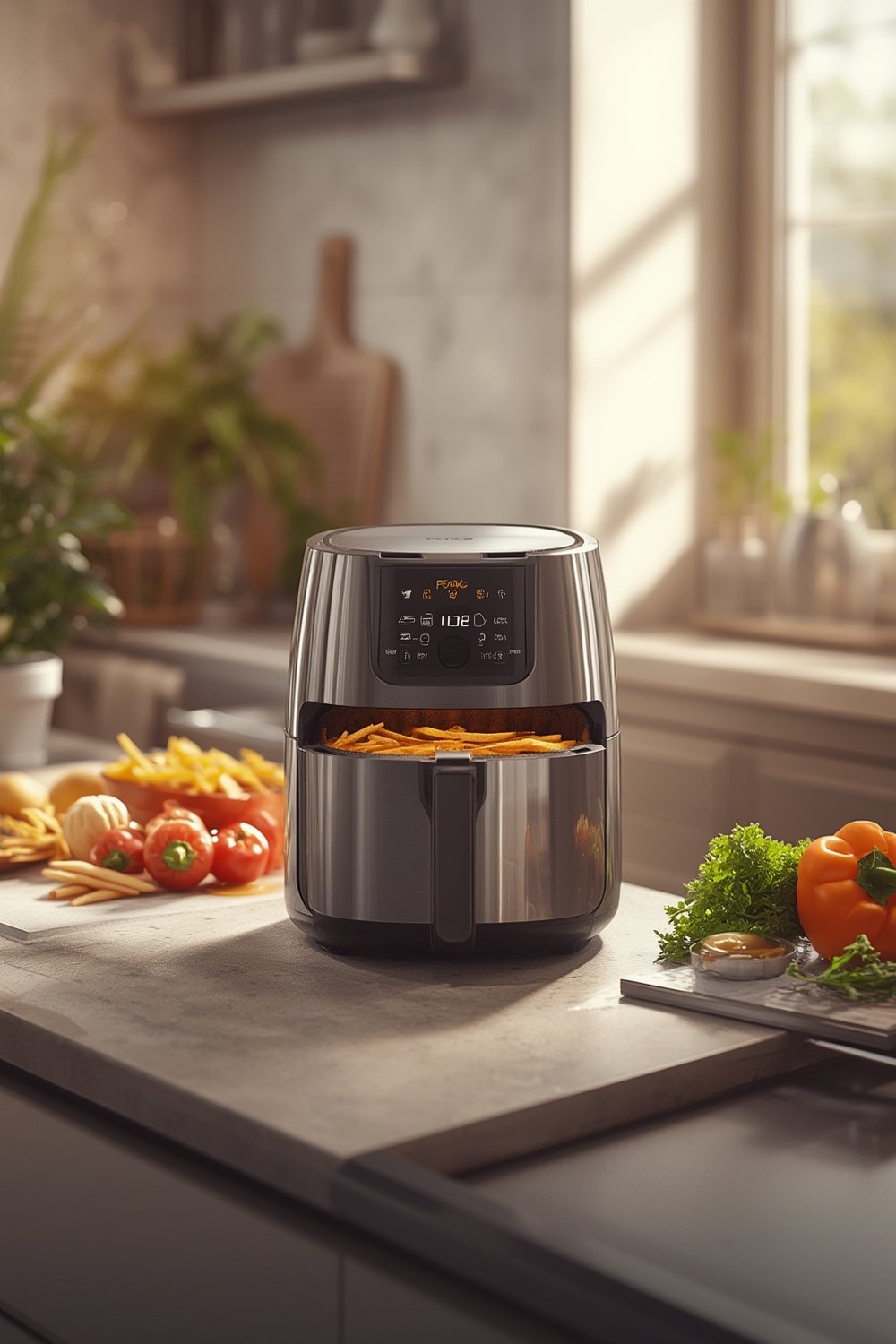
Why do so many choose portable options? Tiny kitchens, college dorms, and travel make large appliances impractical. Portable air fryers solve that by slashing the appliance footprint, often consuming less power (typically in the 800-1400W range) and offering essential features in a simplified package. They’re ideal if you want to enjoy quick, healthier meals without full-size hassle, but there are real-world compromises—capacity for family meals and feature depth are limited.
For more detailed comparisons between basket style and other compact kitchen tools, you might enjoy our Egg Separator Kitchen guide.
How to Choose and Use a Portable Air Fryer (Actionable Checklist)
If you want the most from your portable air fryer, slow down and follow these steps. Smart selection upfront dramatically improves your long-term experience, whether you’re cooking in a tiny studio, your RV, or even prepping snacks in a breakroom.
- Step 1: Identify Your Usage – Will you mainly reheat, crisp frozen snacks, or cook small meals? The 2L-3L range suits singles and couples, but 4L-5L is better for shared dorms or light family snacks.
- Step 2: Prioritize Basket Style for Value – Basket-style portable air fryers dominate for price and simplicity, and are projected to capture a 40% market share by 2025. This style is easy to use, and ideal for most first-timers.
- Step 3: Check Energy and Safety Ratings – Most portable models run between 800-1425W. Double-check for certifications and cool-touch surfaces—especially if you’re plugging into an RV, trailer, or student housing outlet! Outlet compatibility is a must, especially for RV and travel users.
- Step 4: Ensure Space Flexibility – Look for handles that fold or retract, cord storage, and stackable baskets. Few portable air fryers provide true stow-and-go design, so user reviews can help here.
- Step 5: Setup, Maintenance, and Accessories – Before first use, wash all removable baskets and trays. Try using parchment or silicone liners, and always allow adequate open space (front, sides, and overhead) when operating to avoid heat damage. Consider a countertop mat for kitchens with sensitive surfaces.
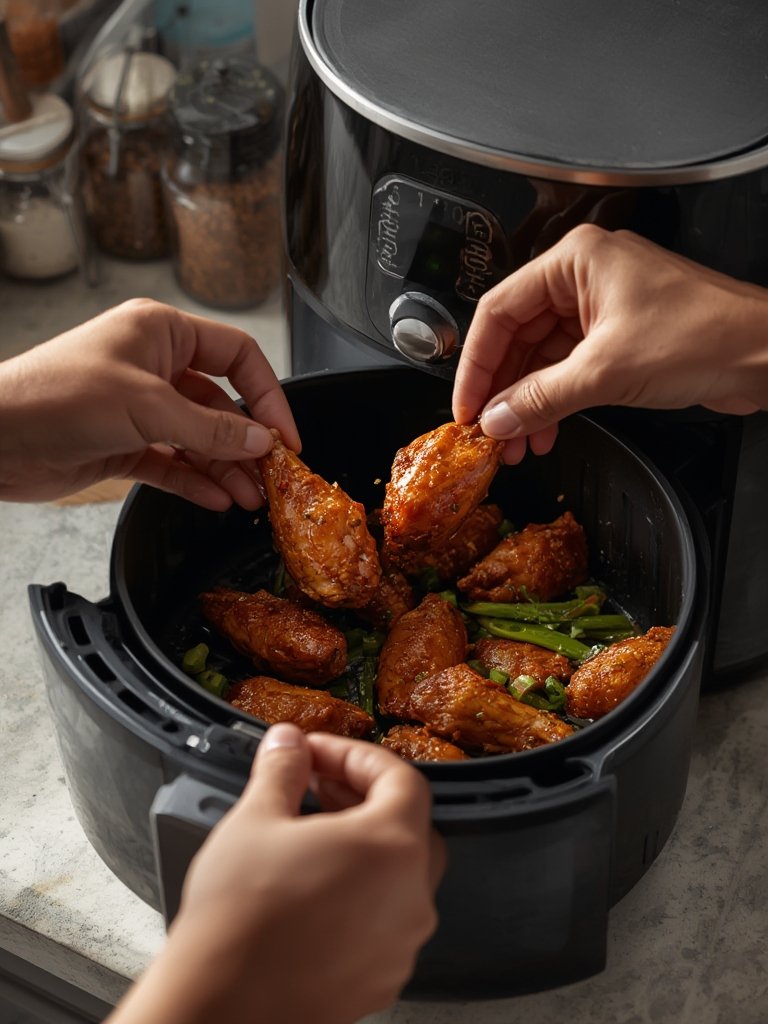
- Step 6: Test Recipes and Adjust – Air fryers can reduce fat by up to 70% compared to oil frying (source), but timing is key in small units. Start with shorter cook times than recipes suggest, and always check for even browning in the first few uses.
- Step 7: Store Safely – Let your unit cool completely before packing in an RV or cabinet. Use a countertop mat for extra heat protection if your kitchen surface is sensitive.
Advanced Analysis: Pitfalls, Real-World Challenges, and Model Comparisons
Portable air fryers may look nearly identical online, but user experiences show important differences. Don’t assume “mini” means maintenance-free or quiet. Here’s what current research and market data teach us about pitfalls—and how a few top models compare for real-life travel or compact use.
| Model Example | Capacity | Price (Apr 2024) | Wattage | Main Benefits | Key Downsides |
|---|---|---|---|---|---|
| Xiaomi MIJIA Smart Air Fryer | 3.5L | 399 Yuan | ~1400W | Compact; Wi-Fi smart features | Imported, limited US warranty |
| Chefman TurboFry Touch Air Fryer | 8 quart | $67.49 | ~1700W | Large capacity for price | Bulky for true RV “portable” use |
- Missing Specifications: Many brands do not publish countertop footprint, cord length, or exact clearance needed. Always check the manual or call customer service if you plan to store the unit in a tight space or intend to travel.
- Noise and Heat Output: Small fan units can be surprisingly loud—some buzz noticeably in RVs or quiet dorm setups.
- Limited Cooking Area: Don’t expect to get the full crispness of a large basket in a “mini” size if you overcrowd the tray. Batch cooking is usually required for more than one portion.
- User Complaints: Based on open market feedback, users sometimes cite uneven cooking at the lowest price points and tricky cleaning (especially behind heating elements). Using a dishwasher-safe basket or a reusable liner addresses most mess issues.
- Niche Features: Wi-Fi and Bluetooth control have improved the experience for 71.5% of users globally (source), but these aren’t universal in the lowest-priced portable units.
For an example of other space-saving tools, check out our measuring cups and spoons guide and our review on kitchen organization tools.
Conclusion: Are Portable Air Fryers Worth It?
Portable air fryers are a reality-driven solution for anyone with a small kitchen, busy schedule, or tight living environment. If you do your homework—measuring, researching wattage, and checking for cleaning ease—most models are well worth the minimal space they occupy. Remember, the portable air fryer isn’t a substitute for feeding a big family or batch cooking, but it offers efficient, fast, and healthier crisping on the go. Ready to make your choice? Compare capacity, check certified guarantees, and try a silicone liner for painless cleanup. Then get ready to enjoy food that’s both tasty and practical.
Still on the fence? Explore our deep dive into non-toxic air fryers or get expert tips on accessories and organization for small kitchens in our cheese grater guide.
FAQ
What is the best portable air fryer size for one or two people?
Most single and couple users benefit from a 2L to 3.5L unit—these fit a generous portion of fries, snacks, or two chicken breasts without excess bulk or storage hassle. Larger units may waste space in truly compact kitchens or RVs.
Can you use a portable air fryer in an RV or camper safely?
Yes, but check both wattage and outlet compatibility—many portable units operate under 1500W but not all RV circuits can handle extra appliances running simultaneously. Always operate on a heat-resistant, stable surface and allow for ventilation.
Are portable air fryers less powerful than full-size models?
They often use slightly less wattage (many are between 800 and 1400W) but can still reach high cooking temperatures. Just expect smaller food loads and potentially longer preheat times in mini units.
How do you clean a compact air fryer easily?
Remove and soak the basket and tray immediately after use if possible. Use mild detergent and a nonabrasive cloth. For a true shortcut, consider a dishwasher-safe model paired with reusable silicone liners which catch crumbs and greases neatly.
Are Wi-Fi or smart functions necessary for portable air fryers?
They’re not strictly necessary, but Wi-Fi and app control have improved convenience for many users. If you often cook the same recipes or want remote notifications, a smart portable air fryer is worth considering but usually costs more.