

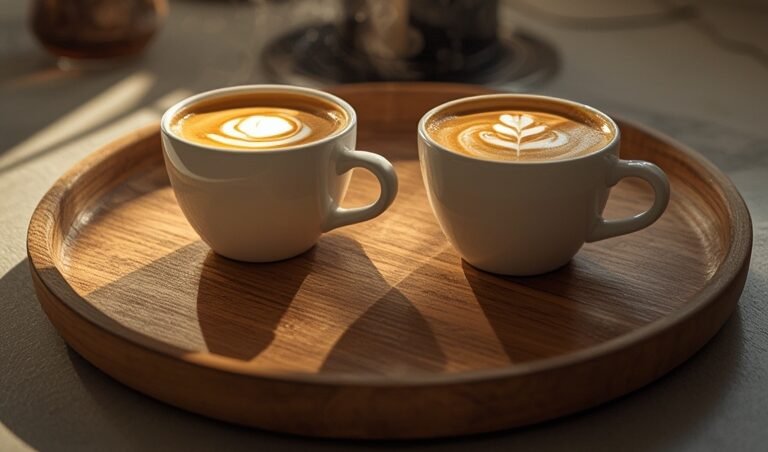
Single Dose Grinder adoption is exploding in both home and professional coffee setups . In 2024 , single dosing promises fresher flavor , less waste , and more control—but is it everything the hype suggests ? This realistic , data-driven guide breaks down the market , steps , pitfalls , and key specs so you know exactly what to expect .
Key Takeaways :
- The single dose grinder market topped $418 million in 2024, outpacing overall coffee grinder growth due to surging home and café interest.
- Single dosing massively reduces retention, but most grinders still hold 0.1–0.5 g of grounds per dose—zero retention is a myth.
- Choosing the right model means balancing burr size, workflow, build quality, and honest tradeoffs between freshness and speed.
- What Is a Single Dose Grinder and Why Does It Matter?
- How to Use a Single Dose Grinder for Espresso: Step-by-Step
- Advanced Analysis and Real-World Pitfalls with Single Dosing
- Conclusion
- FAQ
What Is a Single Dose Grinder and Why Does It Matter ?
A single dose grinder is a coffee grinder designed to grind only the exact amount you need for each shot, with minimal retention of old grounds inside. Unlike traditional grinders with large hoppers and chambers, these use small bellows and tight paths to minimize stale coffee buildup and speed up bean switching. Their popularity exploded as specialty coffee fans and cafés demanded fresher extractions, less waste, and precise grind adjustment for every cup — especially for espresso.
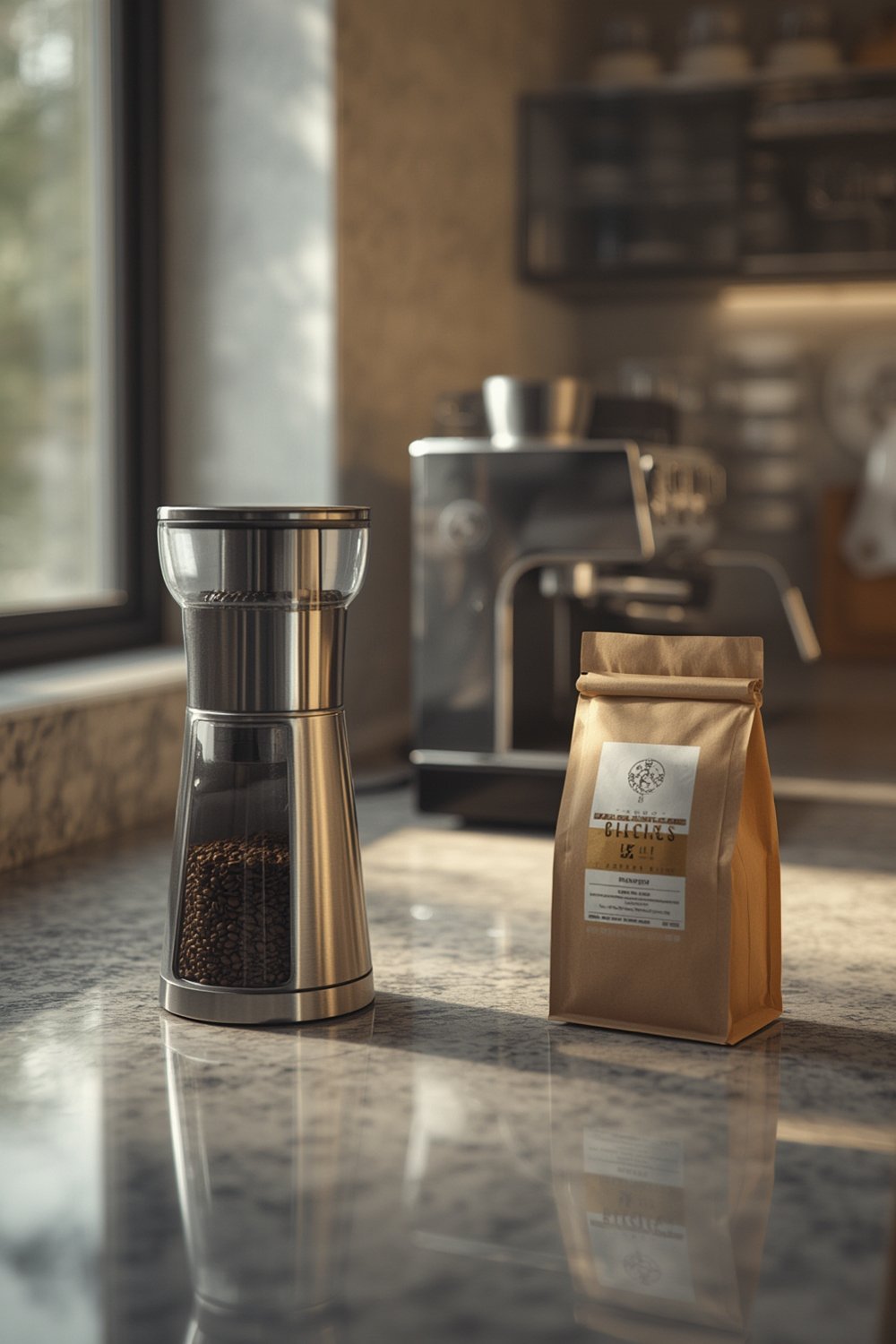
The 2024 market for these specialized “low retention” grinders is worth over $418 million globally according to Data Intelo — an indicator of rapid demand among coffee enthusiasts and quality-focused cafés. With more home brewers investing in café-quality espresso, espresso grinder search interest surged ~20% year-over-year as users look for both consistency and flexibility.
Single dosing matters because it allows you to:
- Switch easily between multiple coffees without purging ounces of old grounds.
- Dial in espresso or filter with less waste and more freshness.
- Control each grind and dose precisely, improving repeatability.
But it’s not a magic bullet. Even top models don’t achieve true “zero retention”, and workflow is a real consideration for busy users.
How to Use a Single Dose Grinder for Espresso : Step-by-Step .
Getting great espresso results from a single dose grinder involves a few deliberate steps. Follow this workflow to minimize waste, cross-contamination, and frustration:
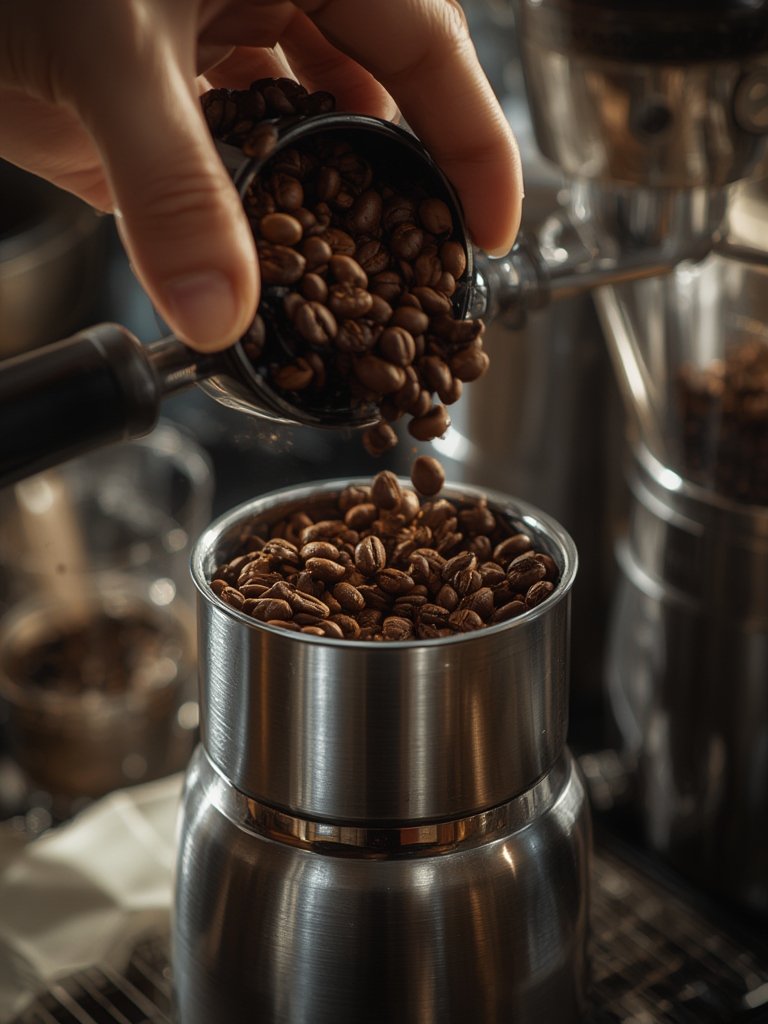
- Weigh Your Dose Exactly
Use a precision scale to weigh out the exact gram dose (e.g. 18g for espresso). Place it in the grinder’s chamber. - Optional : Ross Droplet Technique
Mist beans lightly with water before grinding to reduce static and clumping, especially with light roasts and dry climates. - Grind and Use Bellows
Run the grinder, then give the bellows a few brisk puffs to push out residual grounds from the burrs and chamber.
Tip: Don’t overdo it—excessive bellows can create mess and drive coffee dust everywhere. - Weigh the Output
Weigh again to check retention. For most premium single dose grinders, expect to lose 0.1–0.5g per session. - Clean Between Beans
When switching coffees, always finish with a few bellows puffs and, if flavor change is critical, run a quick purge dose. - Adjust Grind for Espresso Dials
Use the stepless collar or adjustment wheel to fine-tune grind. Make small changes—many single dose grinders have hyper-sensitive dials, so a little goes a long way. - Repeat Brewing Steps
Dose, tamp, extract, taste, and repeat for each shot.
If you love hands-on tools, you may enjoy our Ultimate Guide to Mortar and Pestle Sets for kitchen prep, or our Manual Food Chopper roundup—both focus on fresh flavor and workflow, echoing the core appeal of single dosing.
Advanced Analysis and Real-World Pitfalls with Single Dosing .
Single dose grinders are marketed as “zero retention,” “no waste,” and “swap beans in seconds.” The reality is more nuanced. Here’s what matters before you buy:
Retention : Myths vs. Measured Reality .
No grinder is truly “zero retention.” Most best-in-class models retain 0.1–0.5g of grounds—still a huge improvement over traditional hoppers, which trap 4–10g (or even more). Side-by-side lab tests are rare, but consensus data from Barista Life and Perfect Daily Grind confirm that single dosing cuts old coffee build-up by 5–20x.
| Grinder Type | Typical Retention per Dose | Bean Switching Time | Cross-Contamination |
|---|---|---|---|
| Traditional Hopper | 4–10 g (22–55% of dose) | Several minutes (empty + 2–3 purge shots) | High (tens of grams until clear) |
| Single Dose (Bellows) | 0.1–0.5 g (0.6–2.8%) after purge | 30–60 seconds | Low (<1–3% of next dose) |
Common Pitfalls Reported by Real Users :
- Zero retention is a marketing term—Expect some grounds left inside, especially with oily beans or high humidity.
- More workflow steps—Weighing in and out, bellows pushing, and frequent grind adjustments slow down busy mornings (or café workflow), compared to hoppers.
- Static and Mess—Fine espresso grinds can cling to chutes and portafilter; anti-static features help, but many budget models still sputter grounds everywhere.
- Popcorning beans—Beans can bounce, feeding inconsistently and affecting grind. Solution: heavier weights on beans, or buy a model with a well-designed feeding funnel.
- Vibration and noise—Entry-level grinders often vibrate, walk across counters, or run louder than larger café machines.
- Espresso adjustment is sensitive—Stepless micro dials offer control, but overshooting settings is common, making “dialing in” frustrating if you like to switch between brew styles.
- Longevity considerations—Frequent grind changes and bellows use can accelerate burr or bearing wear. Most brands don’t disclose long-term servicing costs, so be prepared for future tune-ups.
- Price vs feature tradeoffs—$200 models save money but sacrifice burr size, build quality, and anti-static design. $800+ grinders bring commercial-grade consistency, burr geometry, and low noise but are overkill for some homes. Decide where you fit on the spectrum.
For a full breakdown of comparative grinder test results, see Prima Coffee’s market comparison.
Prefer simple kitchen tech you can use every day? You might also like our actionable guides to choosing a heavy duty potato masher, measuring cups and spoons, and stainless steel garlic press picks.
What Drives Price and Performance with Single Dose Grinders ?
- Burr size and geometry: Larger burrs (64mm+) grind faster and distribute particles more evenly—better for espresso but cost more.
- Material and build: Budget models feature smaller steel burrs and more plastic. Premium grinders use CNC steel, titanium coatings, and solid alignment for years of stability.
- Adjustment mechanism: Stepless microdials, worm gears, and digital readouts make repeatable dialing far easier, especially for espresso.
- Bellows, anti-static, and workflow features: Better declumpers, bellows, and workflow arms speed up daily use and minimize mess.
Entry-level single dose grinders (~$200–400) are fine for those grinding once a day for filter or basic espresso. If you’re serious about taste and require frequent adjustments, expect to spend at least $600–800 for reliable, low-retention results and years of steady use. (Barista Life Top Picks)
Espresso Focus : What Specs Matter Most ?
- Burr diameter: 64mm+ flat burrs strongly preferred for espresso clarity and speed.
- Motor power: More torque and stable RPM let you grind light roasts fine without stalling.
- Stepless adjustment: Allows tiny, precise tweaks for espresso recipes.
Retention: Sub-0.5g after bellows is a real-world best. - Build quality: Solid alignment helps keep shots consistent—even after many grind adjustments.
- Noise, static, and workflow: Matter a lot for home users—lower noise means happier mornings.
Bean Switching : Speed and Contamination .
With a true single dose grinder, switching beans takes 30–60 seconds and one quick purge shot. Hopper grinders may need to grind or purge 30–60g or more to clear old flavors. For prosumers and cafés with rotating espresso beans, single dosing eliminates cross-contamination and cuts waste fast. Want to improve prep workflow in your kitchen? See our expert tips on kitchen organization tools.
Conclusion .
A single dose grinder can boost freshness, control, and flexibility for espresso and filter coffee alike. However, be realistic—no grinder is truly zero retention. Weigh the real workflow steps, understand the maintenance, and choose based on burr size, adjustment, and build quality for how and where you brew. For serious espresso, invest in a model with 64mm+ burrs and proven retention specs. Ready to upgrade your coffee workflow? Explore the market, read the latest research data, and make your single dose grinder count with the right setup for your space.
Want more ways to master kitchen efficiency? Check out our actionable guides to choosing the perfect rolling pin and organizing your fridge storage containers for maximum freshness.
FAQ :
Are single dose grinders really zero retention ?
No. Even the best single dose grinders retain about 0.1–0.5 grams of coffee per dose, mainly in the chute or burrs. That’s much less than traditional hopper grinders, but true “zero retention” is basically a marketing claim.
Does single dosing make a difference for espresso quality ?
Yes. It lets you use the freshest beans for each shot and prevents old grounds from mixing with new ones. For sensitive brew methods like espresso, it means more repeatability and less waste—especially if you regularly switch beans.
What’s the main downside of using a single dose grinder ?
Extra workflow steps (weighing, bellows, more frequent cleaning) and the potential for mess from static or popcorning beans are the main drawbacks. It can also slow barista workflow in busy cafés compared to hopper-based grinders.
How do I choose the best single dose grinder for espresso ?
Look for at least 64mm flat burrs, high build quality for stable alignment, proven low retention (sub-0.5g after bellows), and stepless micro-adjustment. For home use, noise levels and anti-static features are also important considerations.
How much should I expect to spend for a quality single dose espresso grinder ?
Entry models start around $200–400, but for serious espresso expect to spend $600–1500 for models with larger burrs, premium construction, and consistently low retention. Top commercial designs can exceed $3000.
[…] to upgrade other coffee prep tools? See how the best single dose coffee grinders further improve shot quality and freshness for your espresso […]
[…] (great for switching between beans). Commercial grinders prioritize speed, output, and durability. Single dose grinders are gaining popularity for home setups due to freshness and […]
[…] and distribute evenly. Use a quality grinder (single dosing recommended—see our single dose grinder guide) and a distribution tool or finger-level the grounds for even […]