

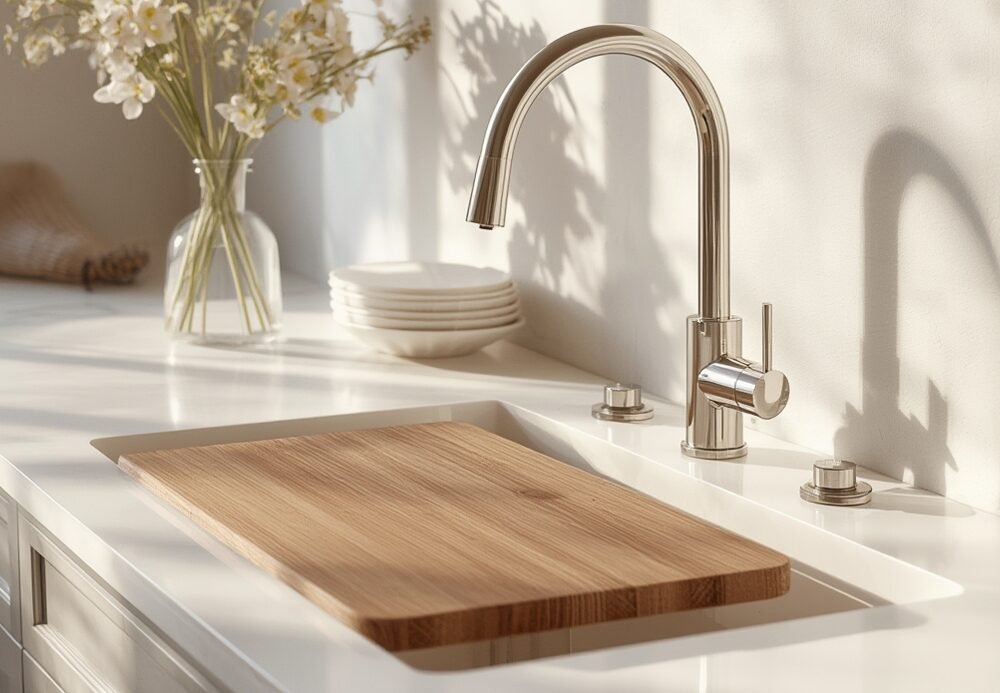
Sink cover solutions are changing how people use their kitchen space by transforming sinks or stovetops into functional prep or storage areas. If you’re considering one for your kitchen, here’s what you need to know about types, materials, real-world value, health and safety factors, and how to get the most out of your purchase.
Key Takeaways :
- Wood, especially acacia and other hardwoods, dominates the sink cover and stove cover market thanks to durability and food-safe finishes.
- Typical covers add between 233 and 660 square inches of extra counter space, but health certifications and user complaints are rarely detailed in listings.
- Customization and integrated cutting boards are available, but features like confirmed heat resistance and safety ratings remain underrepresented.
- What Is a Sink Cover and Why Use One?
- How To Choose and Use a Sink Cover Effectively
- Real-World Insights and Common Pitfalls
- Conclusion
- Frequently Asked Questions
What Is a Sink Cover and Why Use One ?
A sink cover is a flat board or panel—usually made of wood or, less often, stainless steel or glass—that sits on top of your kitchen sink or stove to create more counter space or serve as a functional cutting board. This upgrade maximizes kitchen efficiency, especially in smaller spaces, RVs, or homes where every inch matters. Most modern workstation sinks even ship with a fitted sink cover you can use as a cutting board, serving tray, or prep station.
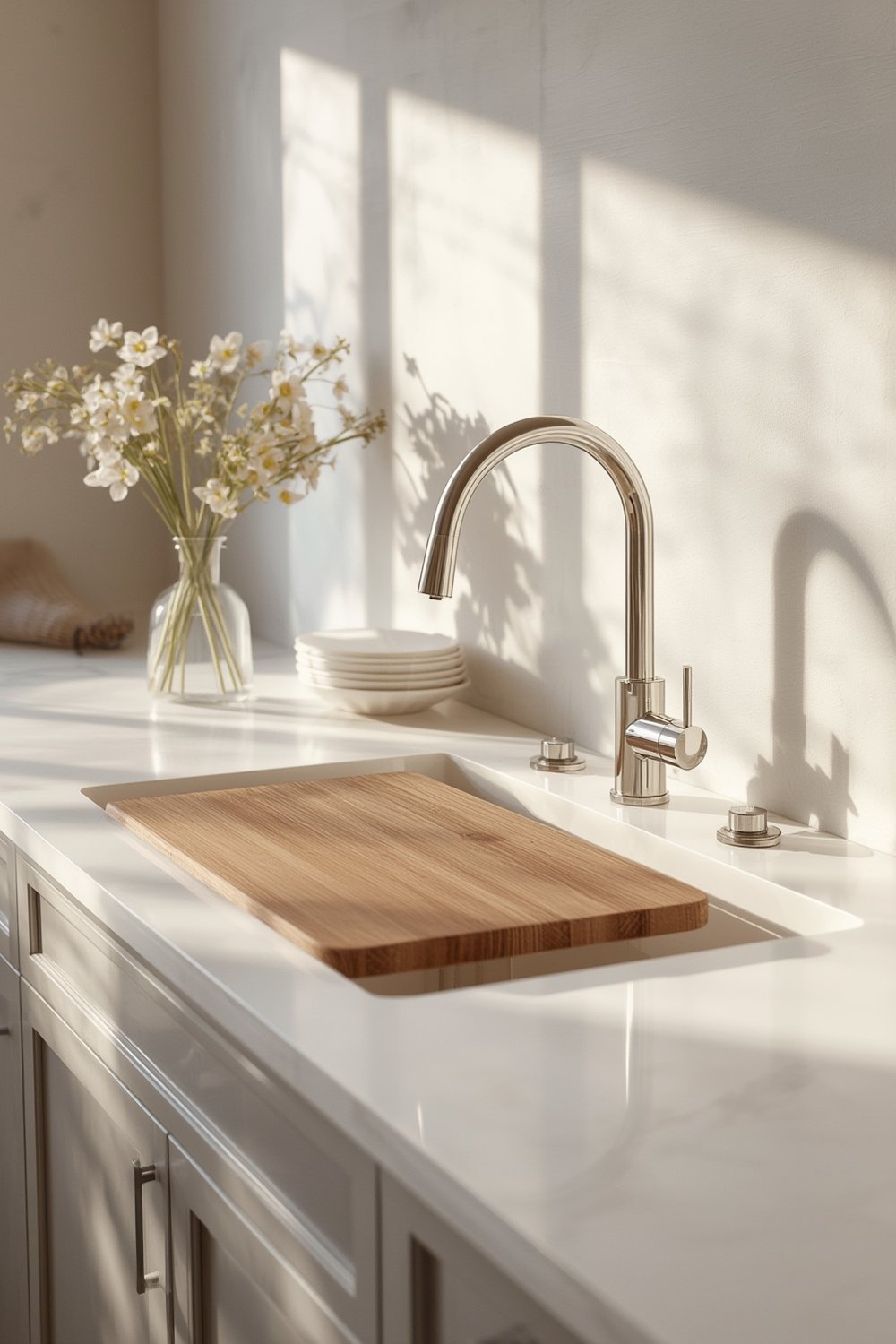
The concept is simple: by covering your sink (or stove), you instantly reclaim unused real estate on your countertop. For anyone struggling with clutter or limited work space—think small apartments or galley kitchens—a snug sink cover is a practical and affordable transformation.
Sink covers also double as cutting boards, draining racks, or presentation trays. There are versions for farmhouse sinks, stainless steel basins, and both electric and gas stovetops (often called “noodle boards”). Most shoppers look for features like juice grooves, food-safe finishes, and custom engraving.
How To Choose and Use a Sink Cover Effectively ?
The best sink cover for your needs depends on your available space, intended usage, and kitchen style. Here’s a realistic, actionable selection and usage guide.
- Decide on material:
- Wood (most common): Acacia, maple, cherry, and walnut covers offer sturdy surfaces with a natural look. They’re often finished with food-safe mineral oil and beeswax for dual use as cutting boards. Always look for 0-VOC (zero chemical) finishes if you’ll prep food directly on it.
- Stainless steel: Sometimes appears for stove covers, but rarely marketed for food prep due to possible fit complications and higher cost. Maintenance instructions and safety data for steel covers are seldom provided.
- Glass/composite: While these promise easy cleaning, real-world options in 2024 are scarce compared to wood. Most listings are wood, with almost no glass/composite reviews or details.
- Check dimensions and added space: Typical full-size stove covers (noodle boards) run about 30 x 22 inches (660 square inches), while half covers might be as small as 21.25 x 11 inches (234 square inches). Choose according to your actual counter and sink layout.
- Examine durability and upkeep: Wood covers last if oiled regularly and not left soaking wet. Stainless steel is lower maintenance but less common and rarely used for cutting.
- Ensure safety and food-friendliness: Wood covers finished with food-safe oils and no paint or stain are safest for prepping food. Most products do not carry formal FDA food-safety certifications, only a statement about mineral oil or beeswax.
- Look for functional extras: Juice grooves for carving, hand grips, and engraving for easy lifting or personalization are smart upgrades. Add-ons like mortars and pestles or a manual citrus juicer integrate well with prep boards for a seamless workflow.
- Maintenance: Hand clean wood covers and reapply food-safe oil monthly. Avoid dishwashers and leaving the cover on a hot, active burner.
- Customization options: Many sellers will engrave names, size the cover to your sink/stove, or accommodate left-handed layouts upon request. Proof designs and grain types before finalizing a custom order.
For more kitchen organization strategies and to maximize every inch, don’t overlook complementary tools like a magnetic knife holder or a heavy-duty potato masher. Collaborating accessories can streamline cooking while a sink cover frees valuable prep space.
Real-World Insights and Common Pitfalls .
Plenty of shoppers are surprised by the following issues when using or choosing a sink cover or stovetop cover:
- Lack of verified reviews and complaints: Most listings focus on product specs and aesthetic appeal but do not include detailed buyer reviews. Key durability or fit complaints are generally missing, which means you have to rely on spec sheets instead of user experience.
- Overstated heat resistance claims: While wood covers are often shown on hot stoves, none explicitly specify burn tolerance or guarantee protection from active burners. Always let your stove cool before use to prevent warping, burns, or safety hazards.
See examples at Walmart and DrapelaWorks. - Ambiguity about formal safety or health certifications: Product pages claim “food-safe mineral oil/beeswax” but rarely cite FDA, NSF, or other certifications. This makes it difficult to compare if you’re seeking medically verified safety, especially for those with allergies or chemical sensitivities.
- Limited material data: Wood is standard, stainless steel is rare, and glass options are mostly theoretical as of 2024. There’s almost no real-world data about glass/composite durability, maintenance, or long-term safety compared to hardwood.
| Material | Durability | Maintenance | Food Safety/Certifications | Unique Features |
|---|---|---|---|---|
| Wood (Acacia, Maple, etc.) | Durable if kept dry and oiled; resilient to knife marks | Oil every 1-2 months; no soaking or dishwasher | Food-safe mineral oil/beeswax; no formal certifications cited | Can double as a cutting board; customizable engraving |
| Stainless Steel | Rustproof, adjustable; less impact from water | Hand-wipe; actual requirements unclear | No safety/food prep information available | Fits multiple stove sizes; not suitable for cutting |
| Glass/Composite | No durable listings in 2024; unclear scratch resistance | Presumed easy wipe-down; data not available | No information | Theoretical only—mostly unavailable |
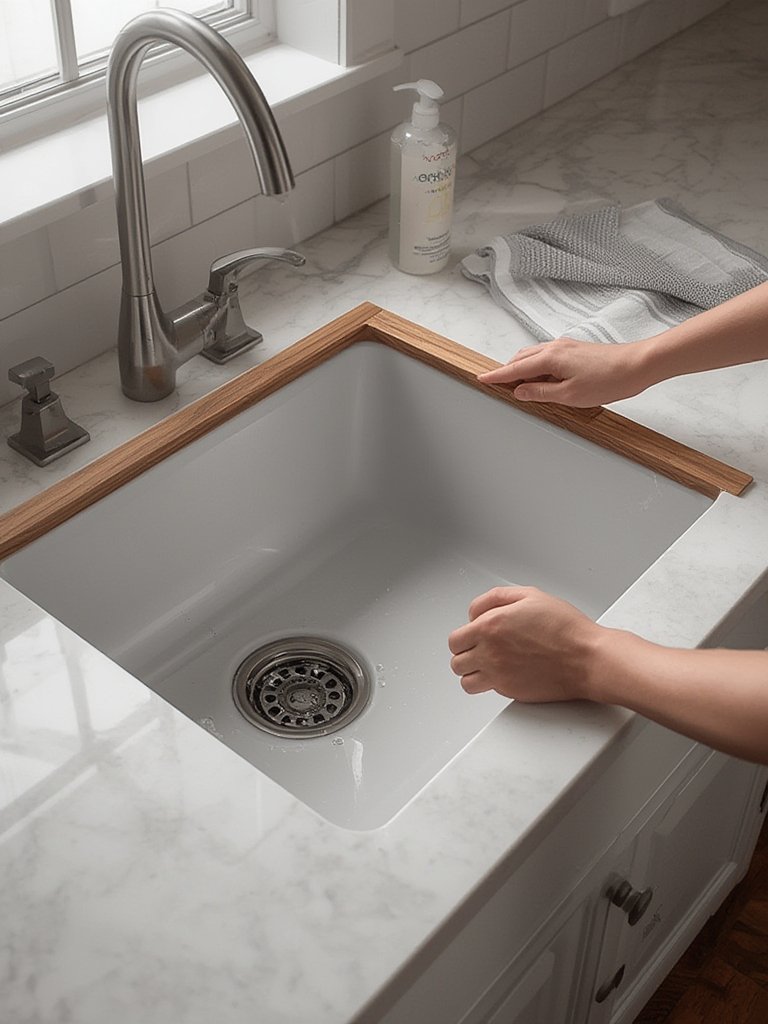
- Fit frustrations: Mass-market covers may not sit flush or stable on rounded or deep farmhouse sinks. Double-check returns and custom sizing policies if you have a non-standard sink or stove.
- Overhyped dual use: While wood covers are marketed as both covers and cutting boards, using one surface for both cutting and as an attractive cover may require more frequent cleaning and oiling than expected.
- Missed features and add-ons: Heat resistance, certified food safety, grip textures, and genuine consumer-requested improvements (like drainage slots or built-in racks) remain hard to find. Most “customizable” means engraving or sizing, not added safety or cooking tech.
Interested in maximizing prep space? A workstation sink with built-in ledges for covers, colanders, and cutting boards can multiply your options—see our complete guide on workstation sinks for a deeper dive.
Conclusion :
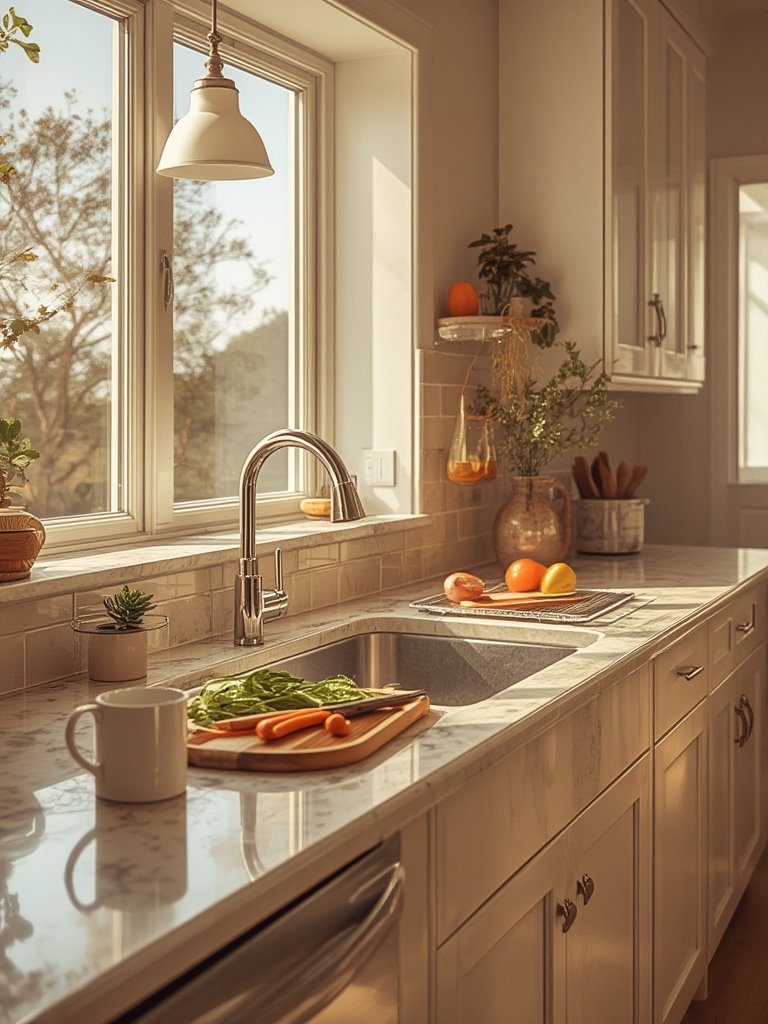
A sink cover is a simple yet transformative upgrade for making any kitchen feel larger and more organized. Choose sturdy, food-safe materials—ideally customizable hardwood—to get both function and aesthetics. Always check for fit, certification (if you have food safety concerns), and maintenance requirements before you order online.
Looking for more tips on organizing your culinary space? Check out guides on selecting a simple egg separator or the right avocado slicer for your kitchen. Ready to reclaim counter space and streamline your prep? Start shopping for a sink cover that’s tailored for you today.
FAQ :
What’s the best material for a sink cover or stove cover?
Wood—especially hardwoods like acacia and maple—is sturdy, food-safe, and easy to maintain with regular oiling. Stainless steel covers exist for stoves, but they’re uncommon for food prep. Glass and composite sink covers are advertised but not widely sold as of 2024.
How much extra counter space does a standard sink cover provide?
Typical stove covers (noodle boards) add about 660 square inches (30×22 in). Half covers provide around 234 square inches (21.25×11 in). Always measure your kitchen before buying for best results.
Are sink covers and cutting board covers really food safe?
Most wood covers claim a “food-safe” finish using mineral oil and beeswax. However, formal certifications (like FDA or NSF) aren’t usually provided—verify with the manufacturer if this is a priority.
Can you use a sink cover on a hot stove or sink?
No. Always let your stove or sink cool before placing a cover. Wood covers can warp, crack, or even burn if exposed to excessive heat.
Are there good options for customizing my sink cover?
Yes—many sellers offer custom engraving, sizing for unique sinks/stoves, and even grain selection. Ask for a photo proof and double-check measurements before you order.
[…] Looking for more tips on kitchen prep and storage? Discover our guides on knife organization, cheese storage, and maximizing counter space with sink covers. […]
[…] for maximum kitchen efficiency, see how organizational updates—like a fridge drawer or a sink cover—support the modern induction […]
[…] space-saving tricks? Try a collapsible mat or combine a drying mat with a sink cover in a small kitchen. For extra heat protection, some mats even double as […]
[…] you’re exploring related upgrades to your kitchen, adding a sink cover or a workstation sink kit can also maximize your space and improve […]