

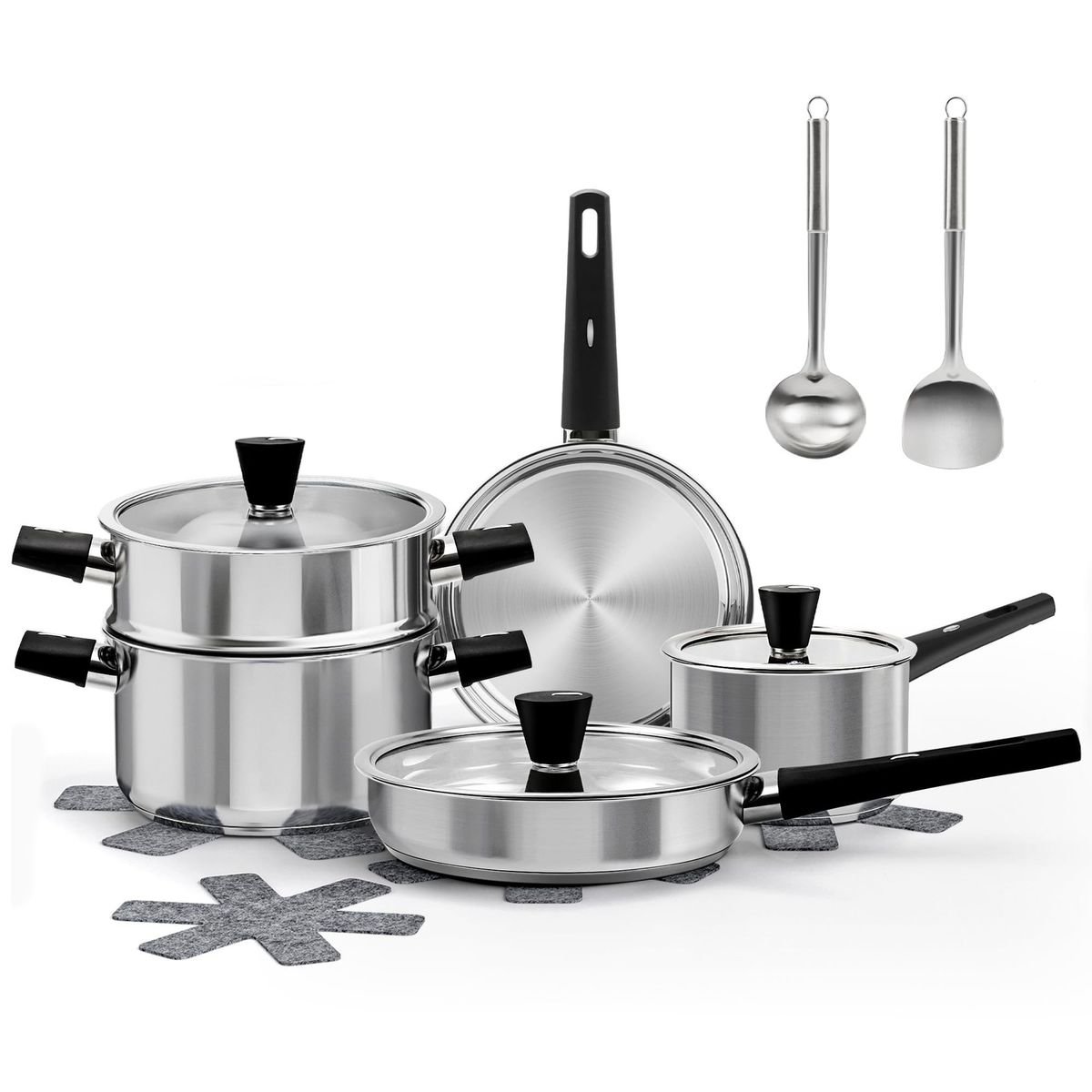
Choosing the right cookware and utensils is crucial not just for delicious meals, but also for a healthy lifestyle. With concerns about toxicity and durability, stainless steel cookware and non-toxic cooking utensils have become increasingly popular. In this article, we explore why these choices matter, how to select the best options, and how they contribute to safer, cleaner cooking.
Table of Contents
Understanding Stainless Steel Cookware
Stainless steel cookware is renowned for its blend of utility, aesthetic appeal, and safety in the modern kitchen. At its core, stainless steel is an alloy primarily made of iron, chromium, and often nickel. The presence of at least 10.5% chromium forms an invisible, rust-resistant chromium oxide layer on the surface, contributing to the cookware’s impressive resistance to stains and corrosion. Among the various grades, 18/10 stainless steel stands out for quality kitchenware. This designation means the steel contains 18% chromium and 10% nickel, a balance that enhances durability, shine, and resistance to both rust and dulling.
Unlike some non-stick cookware, stainless steel is celebrated for being free of chemicals like PFOA and PTFE, substances often found in certain coated pans that could present health concerns if they break down at high temperatures. Because stainless steel does not have a chemical coating, there’s no risk of synthetic compounds leaching into food. It also resists reacting with acidic or alkaline ingredients, preserving the taste and integrity of your recipes.
Durability is a hallmark of stainless steel cookware. The metal is tough and resists warping, scratching, and denting—even after years of heavy use. Many high-quality stainless steel pans feature layered construction, where a core of aluminum or copper is sandwiched between steel layers. This design improves heat distribution dramatically, helping the cookware heat evenly and avoid hot spots that could burn your food.
Stainless steel also performs well across a wide range of temperature applications, from stovetop to oven, and cleans up easily. Unlike cast iron, it’s generally dishwasher-safe and requires little seasoning or maintenance. This combination of safety, resilience, and efficiency is why stainless steel cookware remains a trusted choice for both professional chefs and home cooks aiming for healthier, long-lasting kitchen equipment.
The Importance of Non-Toxic Cooking Utensils
The materials used in cooking utensils play a crucial role in ensuring your meals are not only delicious but also free of harmful substances. Exposure to toxic chemicals such as BPA, phthalates, and some non-stick coatings found in conventional utensils is an underappreciated health concern. When utensils containing these substances are exposed to heat, acids, or fats, they can leach toxins into food. Over time, even low-level exposure to these chemicals has been linked to hormone disruption, developmental issues in children, and increased disease risks.
Choosing non-toxic utensils is a proactive measure for a healthier kitchen. Among the safest and most popular options are silicone, wood, bamboo, and stainless steel utensils. Food-grade silicone is highly heat-resistant and does not leach chemicals under typical cooking conditions, making it ideal for spatulas, whisks, and baking tools. Wooden utensils, especially when made from untreated hardwoods, are naturally non-reactive, gentle on cookware, and add a minimalist charm to meal prep. Bamboo, a renewable resource, offers similar benefits but is lighter and more sustainable, with natural antibacterial properties.
Stainless steel utensils are an excellent complement to stainless steel cookware. They are non-porous, do not absorb flavors or harbor bacteria, and, crucially, do not react with acids or fats in food. While some worry about scratching pots or pans, high-quality stainless utensils are designed for smooth use and longevity.
By integrating non-toxic utensil materials, you not only extend the life of your stainless steel cookware but also create a kitchen environment with minimal chemical exposure. This synergy results in safer, more durable meal preparation, aligning your cooking routine with both health-conscious and sustainable values.
Comparing Stainless Steel with Other Cookware Materials
Stainless steel cookware stands out in the crowded field of kitchen essentials due to its unique blend of qualities, yet it’s useful to compare it directly with other common materials for a clearer understanding. Aluminum cookware, while favored for its excellent heat conduction and light weight, poses safety concerns when uncoated—it can react with acidic foods, altering flavor and potentially causing health issues over long periods. Even anodized aluminum, which is more stable, has been reported to show wear over time, leading to the risk of metal leaching.
Teflon-coated non-stick pans are valued for their ease of cleaning and low-fat cooking, but introduce significant toxic risks. When overheated, traditional non-stick coatings can break down, releasing fumes linked to flu-like symptoms and potentially harmful chemicals such as PFOA or PFAS if used in older products. This makes them less ideal for those prioritizing long-term health and non-toxic meal preparation.
Ceramic cookware, often touted as a safe non-stick alternative, resists chemical leaching but typically has a shorter lifespan; its surface can chip or degrade, especially under heavy use, and the performance diminishes once the non-stick layer wears down. There can also be hidden concerns with glaze quality in lower-grade ceramics.
Cast iron is renowned for its durability and ability to add beneficial iron to food, support high-heat cooking, and last across generations. However, it demands attentive maintenance to avoid rust or develop seasoning, and is not always suitable for acidic dishes due to potential reactivity.
Stainless steel holds particular value because it’s non-reactive and highly durable, resisting corrosion or chemical transfer even with acidic ingredients. It doesn’t flake, leach, or depend on fragile coatings, making it a safe, robust, and virtually maintenance-free choice. For those focused on non-toxic cooking, its neutral surface and minimal risk of contamination set it apart, explaining its enduring regard in healthy kitchens.
How to Choose and Care for Non-Toxic Kitchen Tools
Choosing the right stainless steel cookware and non-toxic utensils is essential for building a kitchen that supports safe, healthy cooking. When selecting stainless steel cookware, it’s vital to look for labels indicating 18/8 or 18/10 stainless steel; these numbers refer to the proportions of chromium and nickel, indicating a blend that is durable and resistant to rust and corrosion. Make sure your cookware is free from any questionable core material—high-quality pieces may have an aluminum or copper base for even heating, but these should be fully encapsulated within the stainless steel so no aluminum comes into contact with food.
Always check for certifications such as FDA (U.S. Food and Drug Administration) or LFGB (Lebensmittel- und Futtermittelgesetzbuch, the German food safety standard). These certifications ensure the cookware and utensils are tested and meet rigorous safety standards. Beware of products that use low-grade steel or have non-stick coatings, as these can sometimes contain chemicals or fillers that may not be food-safe over the long term.
When it comes to non-toxic utensils, opt for options like solid stainless steel, natural wood, or food-grade silicone. Avoid plastics, especially those not marked BPA-free, and steer clear of utensils with painted or lacquered surfaces that might chip into food. For wood utensils, look for ones that haven’t been treated with harsh varnishes. Food-grade silicone should be LFGB-certified for the highest safety assurance.
To maintain the safety and longevity of your kitchen tools, hand-wash cookware and utensils with mild detergent, avoiding abrasive pads that might scratch surfaces and cause leaching. Stainless steel does not require seasoning, but wooden utensils may benefit from occasional oiling with food-safe mineral oil. Proper drying and storage will further help prevent rust and preserve non-toxic integrity.
Maximizing the Benefits of Safe Cooking Choices
Pairing high-quality stainless steel cookware with non-toxic utensils isn’t just a matter of aesthetics—it’s a commitment to both health and culinary performance. Stainless steel’s natural inertness ensures that flavors remain pure and cooking is free from leaching metals or unstable coatings. When you combine it with utensils made from safe materials like wood, bamboo, or high-grade silicone, you protect the cookware’s surface and further reduce any risk of unwanted chemical exposure.
Everyday cooking routines benefit from this synergy. For instance, using non-reactive stainless steel pans to prepare highly acidic recipes—such as tomato sauces or citrus-based dressings—preserves flavors and avoids metallic tastes. Meanwhile, non-toxic, gentle utensils prevent scratching, which could otherwise compromise the steel’s protective layer. This practice doesn’t just improve the longevity of your cookware; it also ensures that no small fragments of metal or coating end up in your food.
The result is safer and more flavorful meals, but also kitchens that foster sound cooking habits. A few tips enhance these benefits:
- Designate separate utensils for raw and cooked foods (such as one spatula for raw meats, another for vegetables) to prevent cross-contamination.
- Handle hot cookware with non-toxic, heat-resistant mitts or towels to avoid burns and contamination from synthetic fibers.
- Clean all tools thoroughly after each use to reduce bacterial build-up and maintain the integrity of food-safe surfaces.
Consistently integrating these mindful practices creates a positive cycle: meals taste fresh, surfaces last longer, and the risk of exposing yourself or your family to invisible toxins decreases. In turn, adopting these habits supports sustainable living, reducing the need for frequent replacements and minimizing kitchen waste—making the home a healthier and more responsible place to cook together.
Conclusions
Choosing stainless steel cookware and non-toxic utensils is a smart investment in health, durability, and everyday cooking performance. By being mindful about the materials touching your food, you reduce exposure to harmful chemicals and ensure lasting kitchen tools. Transitioning to non-toxic, safe options not only protects your well-being but also enhances the overall cooking experience.
If you’re looking for premium options, explore our picks for High-End Cookware Sets