

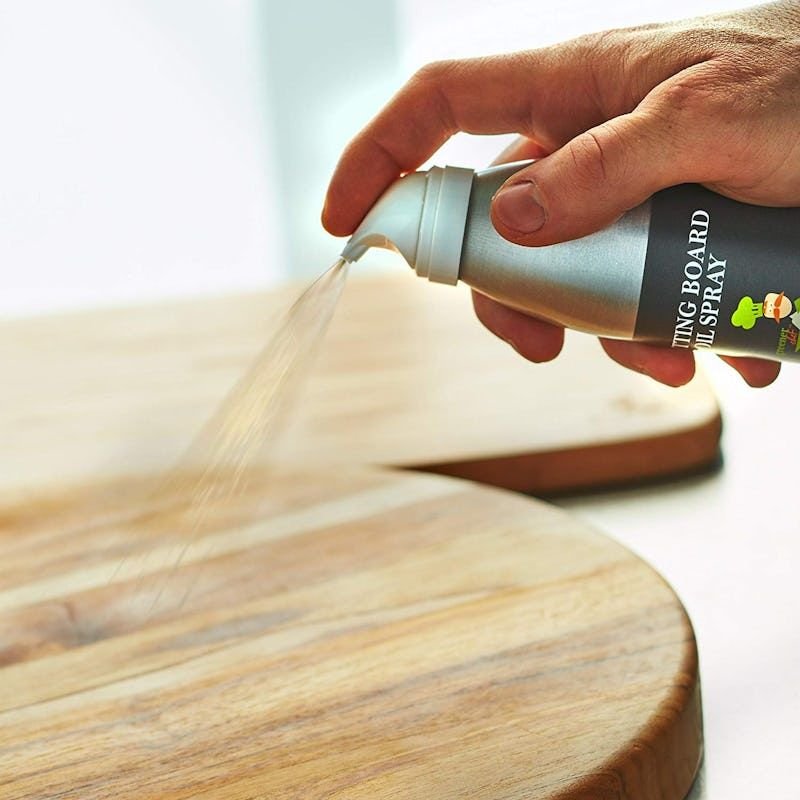
Taking care of a wooden cutting board requires more than just cleaning it after use. Properly oiling your cutting board is vital to ensure its longevity, resistance to warping, and food safety. In this guide, we explore the importance of cutting board oil, how to choose the best one, and expert tips for effective maintenance.
Table of Contents
Why Using Cutting Board Oil Matters for Wooden Boards
Oiling your wooden cutting board is far more than an occasional maintenance step — it is the backbone of keeping your kitchen tools healthy and functional for years. Cutting Board Oil plays a crucial role in preventing moisture from penetrating the wood. When wood is left untreated, it becomes vulnerable to absorbing liquids from foods, water, and even ambient humidity. This absorption can lead to swelling, warping, or cracking as the board repeatedly expands and contracts. Applying Cutting Board Oil creates a protective barrier that slows this process dramatically. The oil fills the microscopic pores in the wood, preventing moisture and particles from settling in the grain. As a result, cleaning becomes easier and more effective, as food particles and bacteria are less likely to penetrate beneath the surface — supporting a more hygienic cooking environment.
Not only does Cutting Board Oil help prevent structural damage — it also maintains the board’s integrity and longevity. A properly oiled cutting board resists splitting and splintering, remaining smooth and even over time. The rich, lustrous appearance of an oiled board is not just aesthetic; it signals wood that retains its natural resilience and flexibility rather than becoming brittle with age.
Untreated boards quickly lose their luster, taking on stains and odors from repeated use, which can eventually render them unusable or unsafe. In contrast, a board treated regularly with Cutting Board Oil is less likely to harbor harmful bacteria, as the oil repels excess water and discourages the development of mold and mildew. Oiling is not a one-time task but a routine essential that separates a pristine, harvest-ready work surface from a cracked, dull, and potentially hazardous one.
As the next step in this care routine, it is important to understand which types of Cutting Board Oil are most suitable for your board. Choosing the right oil has a significant impact on both long-term effectiveness and food safety — making it a topic worth exploring in detail.
Best Types of Cutting Board Oil and their Benefits.
Choosing the right oil is fundamental to achieving the full protective benefits for your cutting board, as each oil offers unique properties that affect both the preservation and performance of your kitchen tool. The most trusted and widely recommended option is food-grade mineral oil. This oil is odorless, tasteless, and does not turn rancid, making it an ideal choice for frequent maintenance. Mineral oil easily penetrates wood fibers, repelling water and preventing absorption of unwanted moisture or food particles.
Another popular option is beeswax, often blended with mineral oil for superior sealing. Beeswax adds a water-resistant layer on top of the wood, enhancing durability and giving the board a subtle sheen. Blends are favored because beeswax alone is too solid for easy penetration, but combined with mineral oil it offers both deep conditioning and surface protection.
Plant-based oils such as coconut oil, tung oil, walnut oil, and linseed oil each come with specific considerations. Fractionated coconut oil can be suitable because it’s processed to resist rancidity, while regular coconut oil and many other vegetable oils (like olive or corn oil) should be avoided—their triglycerides are prone to spoilage, which can result in unpleasant odors or even make the board unsafe.
Tung oil and raw linseed oil (from flaxseed) create a durable, water-resistant finish as they polymerize over time. However, tung oil is expensive and may trigger nut allergies for sensitive users, while traditional linseed oil, not being food-safe, should be avoided in favor of food-safe, pure variants.
Walnut oil is valued for its easy absorption and hardening qualities, but, as with tung oil, potential allergenicity limits its use for some households. Always check for labeling “food-safe” status and avoid any treated or synthetic oils. Ultimately, the choice often balances ease of use, safety, and the desired longevity of your wooden cutting board.
How to Properly Oil Your Cutting Board
Before applying oil, start by thoroughly cleaning your cutting board. Use mild dish soap and warm water, scrubbing both sides and all edges to remove food particles and stains. Dry the board immediately with a clean towel, then allow it to air dry completely, as residual moisture can prevent oil from absorbing properly. Avoid soaking the board or running it through the dishwasher, as excessive water exposure can cause the wood to warp or crack.
Once the board is fully dry, select your preferred oil (such as food-grade mineral oil, as covered in the prior chapter). Pour a moderate amount onto the surface — about a tablespoon for a medium-sized board. It’s better to start with less, as you can always add more if needed. Using a clean, lint-free cloth or a soft paper towel, work the oil into the wood in the direction of the grain, ensuring you cover every inch of the surface, including the sides and any handle cutouts.
To evenly distribute the oil, use circular motions and apply gentle pressure. Don’t forget to oil the underside as well, which helps the board maintain balance and resist warping. If the board quickly absorbs all the oil, add a bit more and continue working it in until a thin layer remains on the surface.
Stand the cutting board upright or prop it on its edge. Suspending it allows air to circulate, ensuring all faces dry evenly and decreasing the risk of sticky residue or uneven finish. Let the board rest for several hours, ideally overnight, before use.
For enhanced protection, apply a wax finish like beeswax after the oil dries. This creates an additional moisture barrier and prolongs the life of the wood. Rub the wax on using a cloth, let it cure, then buff off any excess for a smooth, protective sheen.
Maintaining and Extending the Life of Your Board
Regular maintenance is the cornerstone of keeping a wooden cutting board in top condition, ensuring that it remains safe, hygienic, and attractive for years of daily use. Beyond the correct application of oil, ongoing care revolves around schedule, observation, and careful handling. A good routine involves oiling your board at least once a month, though frequency may need to increase if your board sees heavy use, exposure to soap and water, or highly variable humidity. Some owners oil once a week if their kitchen is particularly busy.
Spotting when your board needs oiling relies on recognizing subtle changes. Whenever the surface looks faded, feels rough, or readily absorbs water droplets instead of beading them, it’s a sign that the protective layer is thinning. If your board frequently smells of food or stains easily, regular oiling and prompt cleaning are necessary.
Long-term care sometimes requires more than just oil. Every few months—or when cuts accumulate and the surface feels uneven—lightly sand the board with fine-grit sandpaper to refresh the wood, then reapply oil. Never submerge a wooden board in water or let it soak, as this causes warping and can lead to cracking. High heat, such as in a dishwasher or left near a stove, is equally damaging.
To prevent mildew and odors, always let your board dry thoroughly by standing it upright or using a rack. Avoid storing a damp board flat, as trapped moisture encourages mold growth. Be wary of neglecting to oil your board—dried-out wood is far more susceptible to splitting and absorbing harmful bacteria. Developing a habit of inspecting, cleaning, and timely oiling will prolong both the functionality and the natural beauty of your kitchen essential.
Selecting the Right Cutting Board Oil for Your Needs
Selecting the ideal wooden cutting board begins with thoughtful consideration of wood species and grain orientation, both of which affect durability, usability, and the effectiveness of your Cutting Board Oil regimen. Hardwoods like maple and walnut are favored because their closed-grain structures resist absorbing moisture and bacteria more effectively than softer woods such as oak or pine. Maple, in particular, is valued for its balance of toughness and gentle treatment of knife edges. Exotic woods like teak may offer extra resilience, but their natural oils can sometimes interfere with the absorption of Cutting Board Oil or trigger sensitivities for certain users.
The board’s grain orientation also plays a major role. End-grain boards, identifiable by their checkerboard patterns, are prized for their ability to “heal” from knife marks while maintaining superior longevity. They’re gentle on knives and respond exceptionally well to regular applications of Cutting Board Oil, which keeps the wood fibers flexible and sealed. Edge-grain boards, more economical and lighter, also benefit from routine oiling, though they tend to show wear more quickly and are slightly less forgiving to both knife edges and the board surface.
Choosing the right oil depends on both the board material and your household needs. Food-grade mineral oil is the industry standard for Cutting Board Oil because it is odorless, tasteless, affordable, and does not turn rancid. For those interested in eco-friendly alternatives, fractionated coconut oil (refined to resist rancidity) or pure walnut oil may be suitable — though nut-based options should be avoided if allergies are a concern. Beeswax-mineral oil blends offer excellent conditioning and create a durable moisture barrier, making them a popular premium choice for maintaining wooden boards.
When selecting Cutting Board Oil, avoid vegetable-based and unrefined oils that are prone to spoilage, as they can leave the wood with unpleasant odors or unsafe textures. Whenever possible, choose products that are certified food-safe and specifically formulated for wooden kitchenware. The right Cutting Board Oil ensures both the longevity of your board and safe, enjoyable food preparation for years to come.
Conclusions
Choosing and properly applying the right oil is key to extending your wooden cutting board’s life, enhancing hygiene, and maintaining its beauty. Regular care protects your investment and helps ensure safe food preparation for years. With the correct techniques and oil selection, your cutting board can remain a trusted kitchen companion.
For more tools that upgrade your cooking , check out our best kitchen tools and gadgets reviews