

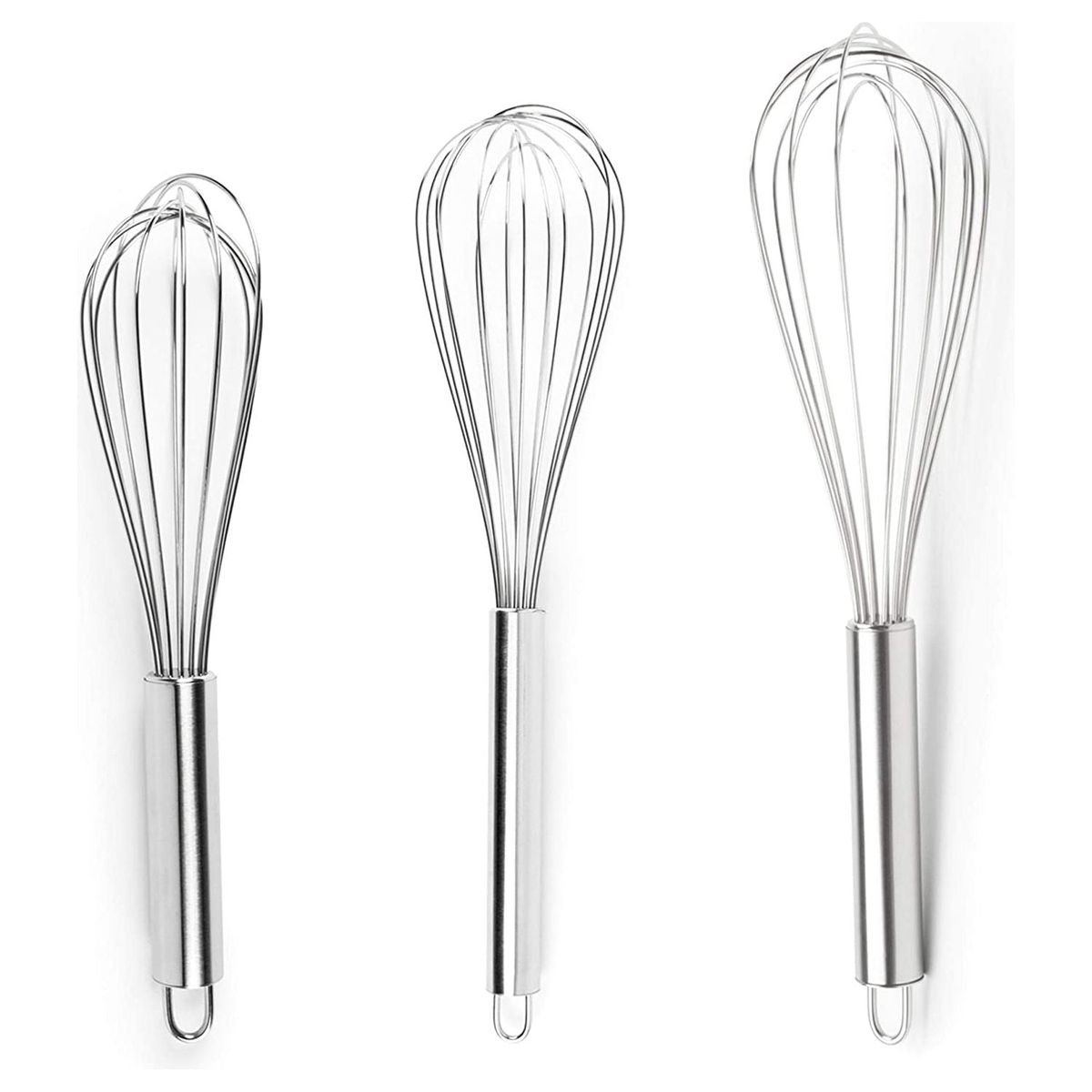
Stainless steel whisks are indispensable in modern kitchens, prized for their durability, versatility, and performance in mixing ingredients. Whether you are baking cakes or preparing sauces, a stainless steel whisk streamlines many culinary processes. In this article, we explore what makes these tools special, their benefits, various types, practical uses, and how to select your ideal whisk.
Table of Contents
Why Stainless Steel Whisks Stand Out
Stainless steel whisks are favored in both professional and home kitchens for the unique advantages that stainless steel brings as a material. One of the greatest benefits is its exceptional corrosion resistance. Unlike materials that easily rust or stain, stainless steel retains its shine and integrity even after constant exposure to moisture or acidic ingredients like citrus juice and vinegar.
This resilience ensures that a stainless steel whisk maintains a clean, polished look for years. More importantly, it continues performing reliably without the risk of rust particles or metal residues contaminating your food.
Food safety is another important reason stainless steel whisks stand out. Stainless steel is non-porous and non-reactive, meaning it won’t trap bacteria, odors, or flavors. This makes it ideal for sensitive recipes and for cooks who demand purity in every ingredient.
Cleaning stainless steel whisks is equally simple. A quick rinse or a dishwasher cycle easily removes residue, and the metal won’t absorb colors or scents from strong ingredients.
Durability is where stainless steel truly shines. Unlike silicone, which is flexible but less powerful, or plastic, which can warp under heat, stainless steel wires provide superior structural strength and whipping power. This makes them perfect for demanding tasks such as emulsifying vinaigrettes, smoothing custards, or whipping egg whites into stiff peaks.
Professionals also prefer stainless steel whisks because of their precise control and excellent tactile feedback. These qualities are essential for delicate techniques where accuracy matters.
Finally, stainless steel whisks add a sleek, timeless look to any kitchen. Their modern, polished appearance enhances both practicality and style—making them the top choice for cooks who value performance, durability, and aesthetics.
Common Types of Stainless Steel Whisks
Among the diverse kitchen tools crafted from stainless steel, whisks come in a surprising variety of shapes and designs—each engineered for a specific set of culinary tasks. Understanding the unique attributes of common types of stainless steel whisks can elevate your cooking and baking by enabling you to choose the most suitable tool for each job.
The **balloon whisk** is the classic shape recognized in most kitchens, featuring a rounded, bulbous wire head. Its large, airy design is ideal for incorporating maximum air into ingredients, making it the go-to whisk for whipping egg whites into stiff peaks, making fluffy whipped cream, or folding air into delicate batters. Use the balloon whisk whenever aeration and lightness are desired.
The **French whisk** is similar in appearance to the balloon whisk but with a slimmer, elongated profile and denser wire arrangement. This design makes it exceptionally well-suited for mixing thicker batters and sauces. The French whisk’s narrow, tapered shape reaches into the corners of deep bowls and saucepans, ensuring thorough incorporation without splashing. Reach for a French whisk when making custards, pastry cream, or stirring roux-based sauces where precision and power matter more than aeration.
The **flat whisk** (or roux whisk) is distinguished by its flat, teardrop-shaped head. This unique form is perfect for deglazing pans, stirring sauces in shallow pans, or whisking together pan drippings and flour for gravy. The flat wires ensure close contact with the cooking surface, preventing burning while efficiently incorporating ingredients.
A **spiral whisk** or coil whisk features a wire coiled into a flat or slightly angled spiral. It excels at blending small amounts of liquid in confined spaces, such as mixing dressings in a cup or breaking up lumps in gravies and sauces. Its springy coil can reach corners and scrape the bottom of pans, minimizing waste.
Selecting the right whisk—matching its design to your culinary task—ensures smoother techniques, better textures, and more consistent results in your kitchen adventures.
Practical Uses in the Kitchen
A stainless steel whisk is an indispensable tool in the kitchen, versatile enough for far more than beating eggs. Its flexible wires and ergonomic handle give you excellent control, whether you’re preparing light meringue or a thick pancake batter.
When whipping cream, a brisk circular motion aerates the mixture quickly, turning it into soft, pillowy peaks. The strength of a stainless steel whisk helps you blend thicker mixtures—such as choux pastry dough or custard bases—smoothly and evenly, preventing clumps.
Mixing eggs for omelets or frittatas is another area where a stainless steel whisk excels. A fast side-to-side motion blends yolks and whites efficiently while introducing air, creating a fluffy, tender texture.
For sauces, dressings, and vinaigrettes, the fine wires of a stainless steel whisk emulsify ingredients easily. It blends oil and vinegar into a glossy mixture and dissolves flour in pan drippings to create silky gravies and smooth pan sauces.
A stainless steel whisk is also useful when preparing batters for cakes, waffles, or muffins. Gentle strokes help you combine wet and dry ingredients without over-mixing, which prevents dense or tough results. You can even use the whisk to sift dry ingredients together, ensuring even distribution of spices, cocoa powder, or baking powder.
To get the best performance, choose a whisk size that matches your bowl. You should have enough room to move freely without overcrowding the space. Maintain a relaxed grip and use fluid arm movements to maximize aeration without straining your hand.
With its durability, precision, and versatility, a stainless steel whisk empowers both new and experienced cooks to achieve consistent results across a wide range of recipes.
How to Choose the Right Stainless Steel Whisk
Choosing the right stainless steel whisk is essential for efficient and enjoyable cooking. Start by considering the length of the whisk. Short whisks (6–8 inches) offer excellent control for small bowls or tasks like mixing vinaigrettes. Standard lengths (10–12 inches) are ideal for whipping eggs or cream, while longer whisks (14 inches or more) help keep your hands clear of splatter when working with deep pots or large batches.
Next, focus on handle comfort. A well-designed, non-slip handle reduces hand fatigue during extended whisking sessions. Many cooks prefer stainless steel handles for their durability and seamless construction, while others enjoy silicone or rubber grips for added comfort and control.
Wire thickness and configuration also influence performance. Thin wires are perfect for aeration, making them ideal for creating fluffy meringues or whipped cream. Thicker wires provide more strength and excel when mixing heavier batters like pudding or pancake mix. Balloon whisks with wide, thin wires maximize aeration, while French whisks with tighter, slightly thicker wires are excellent for sauces and emulsifying dressings.
Brand reputation matters as well. A trusted brand ensures durability, consistency, and reliable performance—key qualities for a stainless steel whisk that will see regular use.
Finally, match your whisk to your usual kitchen tasks. If you often create delicate foams or whipped toppings, choose a balloon-style stainless steel whisk. For dense batters or everyday sauces, consider owning more than one whisk design to cover all your needs. Your grip comfort, the texture of ingredients you work with most, and the size of your bowls should guide your selection.
Caring for Your Stainless Steel Whisk
Proper care is fundamental to ensuring your stainless steel whisk remains an effective and reliable tool over many years of kitchen use. Unlike other utensils, wire whisks require more attention to cleaning and maintenance, as food particles can easily become trapped between the wires, affecting both hygiene and performance.
Cleaning your stainless steel whisk is simple, but proper technique helps maintain its shine and performance. Hand washing is always the safest option. Use warm, soapy water and a soft sponge or brush to clean between each wire. Pay close attention to the point where the wires meet the handle, as this area often traps batter, egg, or cream.
If residue becomes stubborn, soak the stainless steel whisk for a few minutes, then scrub gently with a flexible-bristle brush to reach tight spaces. Many stainless steel whisks are labeled dishwasher-safe, but frequent dishwasher cycles can dull the finish over time due to harsh detergents and high heat. If you choose to use the dishwasher, place the whisk in a secure position so it won’t bend or snag on other utensils, and remove it promptly once the cycle ends.
Drying is equally important. Stainless steel can resist rust, but standing moisture—especially in joints and tight areas—can compromise its shine and, in rare cases, lead to corrosion. After washing, towel dry your whisk or set it out in an area with plenty of air circulation. Do not leave it in a sink or in a damp environment.
For storage, keep your whisk in a dry drawer or hang it using the loop on its handle, if available. Avoid placing heavy items on top that might warp the wires. Regular inspection for bent wires or loosened handles also ensures safe and efficient use. With these mindful habits, your stainless steel whisk will retain its luster and perform at its peak, meal after meal.
Conclusions
A stainless steel whisk offers exceptional reliability, versatility, and ease of maintenance, which is why it remains a top choice for both home cooks and professional chefs. Its durable construction and consistent performance make everyday mixing tasks smoother and more efficient.
By understanding the different types of stainless steel whisks, their practical applications, and the best care methods, you can significantly improve your overall kitchen workflow. Choosing a high-quality stainless steel whisk ensures better mixing precision, long-lasting durability, and excellent results across a wide range of recipes.
Investing in the right whisk means investing in cleaner emulsions, fluffier batters, and a tool that will serve you well for countless dishes.
For even more ways to upgrade your kitchen workflow, explore our Kitchen Tools category to find additional essentials that enhance precision, speed, and creativity.