

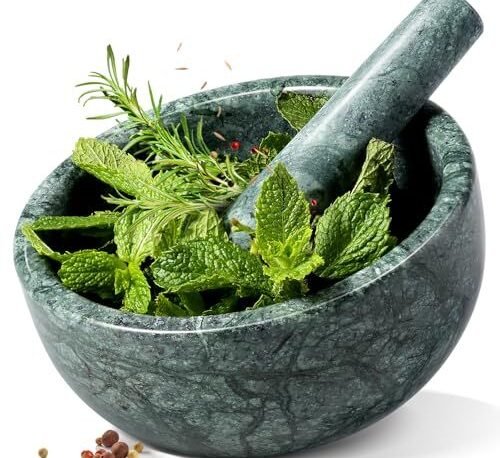
The mortar and pestle set is a timeless kitchen and laboratory tool, prized for its ability to transform ingredients through crushing and grinding. Originating in the Stone Age, it remains relevant in both culinary and scientific contexts. This article explores its evolution, construction, practical uses, care tips, and enduring appeal in a modern world dominated by electric gadgets.
Table of Contents
Origins and Historical Importance of Mortar and Pestle Sets
Archaeological evidence identifies the mortar and pestle set as one of the oldest tools ever crafted by humans, with origins dating back to at least 35,000 BC. Excavations in Africa and the Near East reveal early grinding tools made from simple stones paired with larger rock surfaces—primitive forms of mortar and pestle sets used by Paleolithic hunter-gatherers. These early communities depended on the mechanical action of crushing and grinding to process wild seeds, nuts, roots, and fibrous plants for nourishment. By enabling access to essential nutrients, the mortar and pestle set became a vital survival instrument in early human history.
As the Stone Age advanced, improvements in craftsmanship led to more refined mortar and pestle designs. Flat grinding stones gradually evolved into carved bowls combined with elongated pestles, increasing efficiency and control. The introduction of basined mortar and pestle sets helped prevent material loss while allowing finer, more consistent grinding. This development enabled early societies to process harder foods such as grains and dried tubers, laying the groundwork for baking, brewing, and fermentation practices that shaped human diets.
Across civilizations, mortar and pestle sets became deeply embedded in daily life. In ancient Egypt, they were widely used in medicinal preparation to compound herbal remedies. In Mesoamerica, stone mortar and pestle sets played a central role in grinding maize into meal, a cornerstone of regional cuisine. Meanwhile, Roman, Chinese, and Persian cultures adapted the mortar and pestle for preparing food ingredients, pigments, and cosmetic powders, reinforcing its importance across culinary, pharmaceutical, and artistic traditions.
The widespread adoption of mortar and pestle sets significantly contributed to early technological and cultural development. These tools improved food efficiency, supported the creation of early recipes and medicines, and aided in producing construction pigments. Beyond basic sustenance, mortar and pestle sets helped enable settled communities by supporting food storage and more complex culinary practices—key factors in the rise of civilization.
Materials and Designs Through the Ages
The materials and designs of mortar and pestle sets have evolved over centuries to meet changing human needs, technological progress, and specialized applications. Throughout history, the choice of material for a mortar and pestle set has always reflected its intended function and the type of substances being processed. Stone varieties—particularly granite and basalt—gained early prominence due to their density, durability, and naturally rough surfaces. These characteristics made stone mortar and pestle sets ideal for crushing hard seeds, grains, and minerals without excessive wear or absorption. Their substantial weight also provided stability, allowing for deeper bowls that minimized spillage during vigorous grinding.
As civilizations advanced, ceramic mortar and pestle sets emerged, especially in Mediterranean regions. Their smoother interiors proved well suited for grinding softer ingredients such as herbs and aromatic spices. However, ceramic sets were more fragile and less appropriate for heavy-duty tasks. Wooden mortar and pestle sets became common in areas rich in hardwoods, valued for their light weight and gentle grinding action. While effective for crushing leafy herbs, wooden sets tended to absorb oils and flavors, making them less suitable for pungent spices or pharmaceutical use where purity is essential.
In scientific and medical contexts, porcelain mortar and pestle sets gained favor due to their non-porous surfaces and ease of sterilization. Often finished with a glazed interior, these sets reduced residue buildup and contamination. Metal mortar and pestle sets, crafted from brass, bronze, or iron, were reserved for demanding tasks that required exceptional durability, such as pulverizing minerals or large seeds under repeated impact.
The design of the mortar and pestle set also adapted to specific uses. Chemists favored wide, shallow mortars for efficient mixing and blending, while cooks preferred deep, steep-sided bowls to maximize grinding force and contain ingredients. Pestles evolved with curved or bulbous ends for effective mashing and ergonomic grips to reduce hand fatigue. Across time and cultures, the enduring principle remains the same: the form of a mortar and pestle set is closely tied to its purpose, comfort, and tradition, ensuring its continued relevance in both modern and historical contexts.
Culinary Uses and Modern Kitchen Applications :
The enduring presence of mortar and pestle sets in modern kitchens attests to their unmatched ability to transform ingredients through manual force and friction. Far beyond being relics, these tools are prized by chefs and home cooks for their precise control over texture and flavor release—qualities unattainable by electric grinders. When spices are gently crushed rather than shredded by rotating blades, the essential oils are coaxed out without overheating, delivering vibrant, nuanced aromas that define dishes like Indian garam masala or Middle Eastern za’atar. Home cooks appreciate the immediate olfactory reward as coriander, peppercorns, or cardamom seeds bloom beneath the pestle.
Across diverse culinary traditions, the mortar and pestle remain essential for authenticity. In Mexican cuisine, freshly made guacamole achieves its characteristic creamy-yet-chunky consistency only when avocados are mashed manually with aromatic chilies, onions, and cilantro, each releasing flavors in distinct stages. In Southeast Asia, robust granite mortars are indispensable for pounding ingredients like lemongrass, galangal, garlic, and chilies to create curry pastes with depth and a signature coarse texture impossible to imitate with machines. Italian kitchens rely on a marble mortar for making pesto genovese—here, crushing garlic, basil, pine nuts, and Parmigiano with deliberate circular motions preserves the vivid green color and delicate flavors lost to high-speed blades.
The sensory engagement of hand-grinding—a combination of sound, scent, and touch—connects cooks to culinary heritage while offering practical control over preparation. Unlike standardized, automated appliances, each motion can be adjusted, whether coaxing a fine powder from toasted spices or gently bruising herbs for salsa verde. This tactile approach enhances not only the food’s taste but also the cook’s appreciation for the craft, perpetuating the mortar and pestle’s legacy as an irreplaceable kitchen companion in a world saturated with gadgetry.
Beyond the Kitchen : Scientific and Artistic Uses .
The mortar and pestle’s significance extends well beyond culinary circles, carving an essential role at the crossroads of science, health, and creativity. In traditional and modern pharmacy, the set is a symbol of the apothecary’s craft. Pharmacists have long depended on mortars and pestles to powder medicinal substances, mix ointments, and precisely blend compounds—a practice that was essential before the advent of industrial pill production. The tactile control offered by the tool remains vital for creating bespoke medications and ensuring complete integration of therapeutic ingredients, a process known as triturating. Even today, pharmaceutical training often includes practical instruction with a mortar and pestle, underlining the importance of this ancient approach in developing accurate dosages and consistent mixtures.
In chemistry, mortars and pestles have enabled the preparation and analysis of small solid samples with unmatched finesse. Laboratories have used them to pulverize minerals, crystals, and plant material, ensuring fine, homogeneous powders essential for effective reactions or microscopic examination. The choice of materials—such as agate, porcelain, or glass—has allowed for chemical compatibility and resistance to contamination, crucial for sensitive scientific work. This hands-on method allows for scrutiny and adjustment at every stage, blending tradition with precision in a modern laboratory environment.
The artistic legacy of the mortar and pestle is equally profound. For centuries, artisans have used them to grind minerals, clays, and organic dyes to produce pigments for painting and cosmetics. Renaissance painters, for example, created their own oil paint by combining carefully ground natural minerals with linseed oil, while traditional cosmetics relied on pestle-ground botanical powders. The lineage extends to related implements like quern-stones for milling grain and butter churns for emulsifying fats, illustrating how the principle of mechanical grinding underpins countless technological advances in human history. The mortar and pestle’s enduring cross-disciplinary presence underscores its foundational role as both a laboratory instrument and a creative collaborator.
Choosing , Using , and Maintaining Your Mortar and Pestle .
Selecting the ideal mortar and pestle set begins with assessing the material in relation to its purpose. Granite mortars, cherished for their coarse surface, effortlessly shred tough spices and fibrous aromatics, making them a culinary favorite. Porcelain and ceramic options provide smoother, less porous surfaces that excel at blending powders or pastes without flavor transfer, ideal for pharmaceuticals or cosmetics. Marble finds a middle ground, offering moderate abrasion and ease of cleaning. Wooden sets, while suited for grinding softer ingredients, may absorb oils and flavors—making them less versatile for those who value neutrality.
Size matters: choose a bowl that matches expected batch sizes. For small batches of spices or medicinal pills, a compact mortar ensures precision and ease of control. Preparing salsas, pastes, or pigment blends for larger projects calls for a bowl with deep walls—preventing spillage and accommodating robust, circular grinding motions.
To use your mortar and pestle effectively, begin by adding only a small quantity of material at a time; overfilling causes uneven grinding. Apply an alternating motion: circular pressure for pastes, or pounding for coarse materials, adjusting to texture goals. Layer ingredients thoughtfully—start with the hardest or driest, progressing to soft or moist items.
To clean, rinse immediately after use with warm water; abrasive agents or detergents can damage certain surfaces, particularly stone or wood, and may leave behind undesirable residues. For porous stones, dry thoroughly to prevent bacteria or mold. Seasoning new granite or marble mortars with a handful of dry rice—ground to a powder—removes stone dust, extending their life.
Avoid common pitfalls such as using a single set for strongly flavored and neutral ingredients, risking cross-contamination. Never subject mortars to sudden temperature shifts, which can cause cracking. With careful choice, thoughtful use, and diligent maintenance, a mortar and pestle set becomes indispensable—delivering control and tactile engagement that no electric grinder can fully replicate, regardless of field or intention.
Conclusions :
The mortar and pestle set is a testament to human ingenuity, transcending millennia as an essential tool for culinary, scientific, and creative pursuits. By understanding its history, selecting the right materials, and mastering its use, anyone can unlock deeper flavors, efficient workflows, and a tangible connection to ancient traditions—proving that some tools truly stand the test of time.
For more useful kitchen equipment , explore our full collection in the Other Tools category .
[…] for ways to further streamline your prep routine? Check out the Ultimate Guide to Mortar and Pestle Sets for more kitchen efficiency […]
[…] hand grips, and engraving for easy lifting or personalization are smart upgrades. Add-ons like mortars and pestles or a manual citrus juicer integrate well with prep boards for a seamless […]
[…] you’re also interested in unique kitchen essentials, check out our guide on mortar and pestle history and uses to see how traditional tools complement modern […]
[…] accessories can help you prep ingredients much faster. For example, using a manual food chopper or mortar and pestle alongside induction can seriously speed up both prep and […]
[…] about other essential kitchen tools? See our comprehensive Guide to Mortar and Pestle Sets for more […]
[…] deeper food-prep tools, see our related guides like the Ultimate Guide to Mortar and Pestle Sets or Manual Food Choppers for hands-on kitchen […]
[…] you like guides that break down what matters in the kitchen, check out our article on how to choose the best mortar and pestle for better ingredient […]
[…] you love hands-on tools, you may enjoy our Ultimate Guide to Mortar and Pestle Sets for kitchen prep, or our Manual Food Chopper roundup—both focus on fresh flavor and workflow, […]
[…] maintenance. No spouts mean quick rinse-outs and no hidden oil buildup—just like proper care of mortar and pestle sets or other fundamental kitchen […]
[…] you appreciate the tactile feel of manual prep, our mortar and pestle guide covers why material and size choices also matter in the kitchen, much like burr types with […]
[…] baker, or busy family can appreciate. If you’re a fan of practical kitchen accessories (like mortar and pestle sets or cheese graters), countertop mats belong at the top of your […]
[…] to optimize every part of your kitchen? Explore our guides for picks like the best mortar and pestle or learn how to choose a heavy duty potato masher. And if you’re serious about hygiene, our best […]
[…] you want additional ways to upgrade kitchen safety and performance, check out guides such as The Ultimate Guide to Mortar and Pestle Sets and Manual Citrus Juicer: Easy and Effective Juicing at Home for more buying and maintenance […]
[…] features you won’t actually use. For best results, integrate a few trusted kitchen tools like a mortar and pestle or a time-saving avocado slicer tool. Ready to pick your own AI air fryer for a smarter (and […]
[…] supplement with better kitchen tools for prepping your bases and mix-ins, see guides like The Ultimate Guide to Mortar and Pestle Sets or master portioning with Measuring Cups and […]
[…] For more on versatile tools for homemade foods beyond frozen treats, see our guide to mortar and pestle sets. […]