

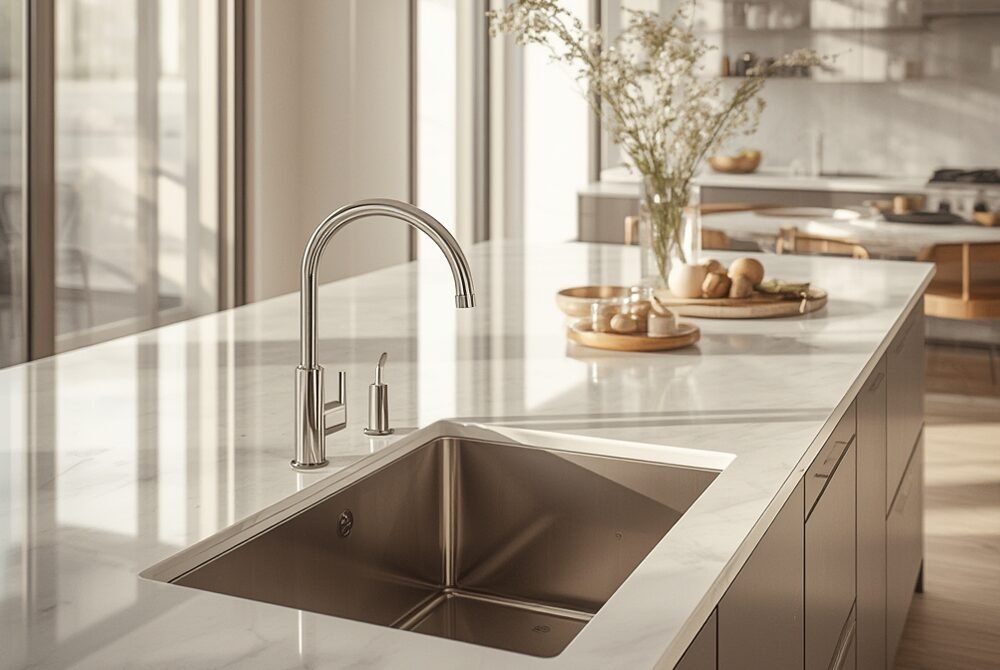
workstation sink is rapidly transforming the way home cooks and professionals approach kitchen prep and cleanup. Instead of a standard basin, these innovative sinks combine smart accessories and thoughtful design to bring multi-level efficiency to even the busiest kitchens.
Key Takeaways :
- Workstation sinks maximize prep and cleanup space, offering unparalleled efficiency with integrated accessories.
- Choosing the right workstation sink involves considering material quality, accessory compatibility, and your kitchen layout.
- The market for multifunctional kitchen sinks, including workstation sinks, is growing, driven by demand for convenience and space-saving solutions.
- What Is a Workstation Sink and Why Consider One?
- How to Choose and Install Your Workstation Sink: Step-by-Step Guide
- Advanced Analysis: Real-World Pitfalls and Comparison Table
- Conclusion
- Frequently Asked Questions
What Is a Workstation Sink and Why Consider One ?
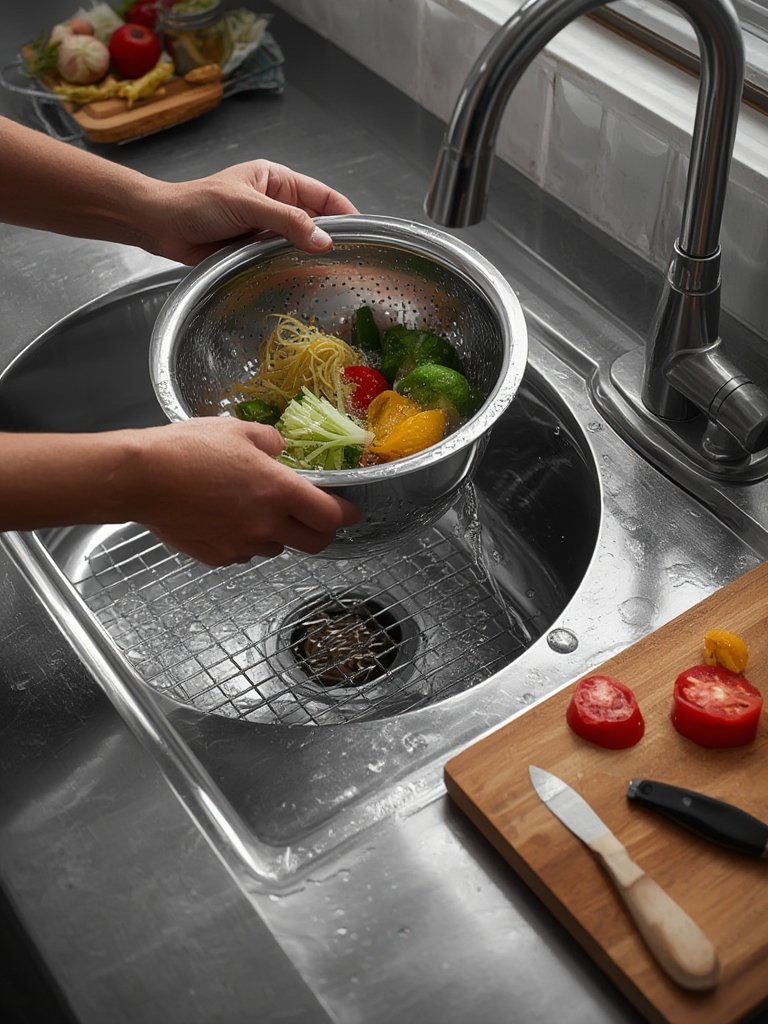
A workstation sink turns your kitchen sink area into a multi-purpose hub. It typically features built-in ledges or grooves where accessories like cutting boards, drying racks, colanders, and covers slide or rest. This setup lets you wash, prep, strain, chop, and clean up in the same compact space — streamlining workflow and reducing countertop clutter.
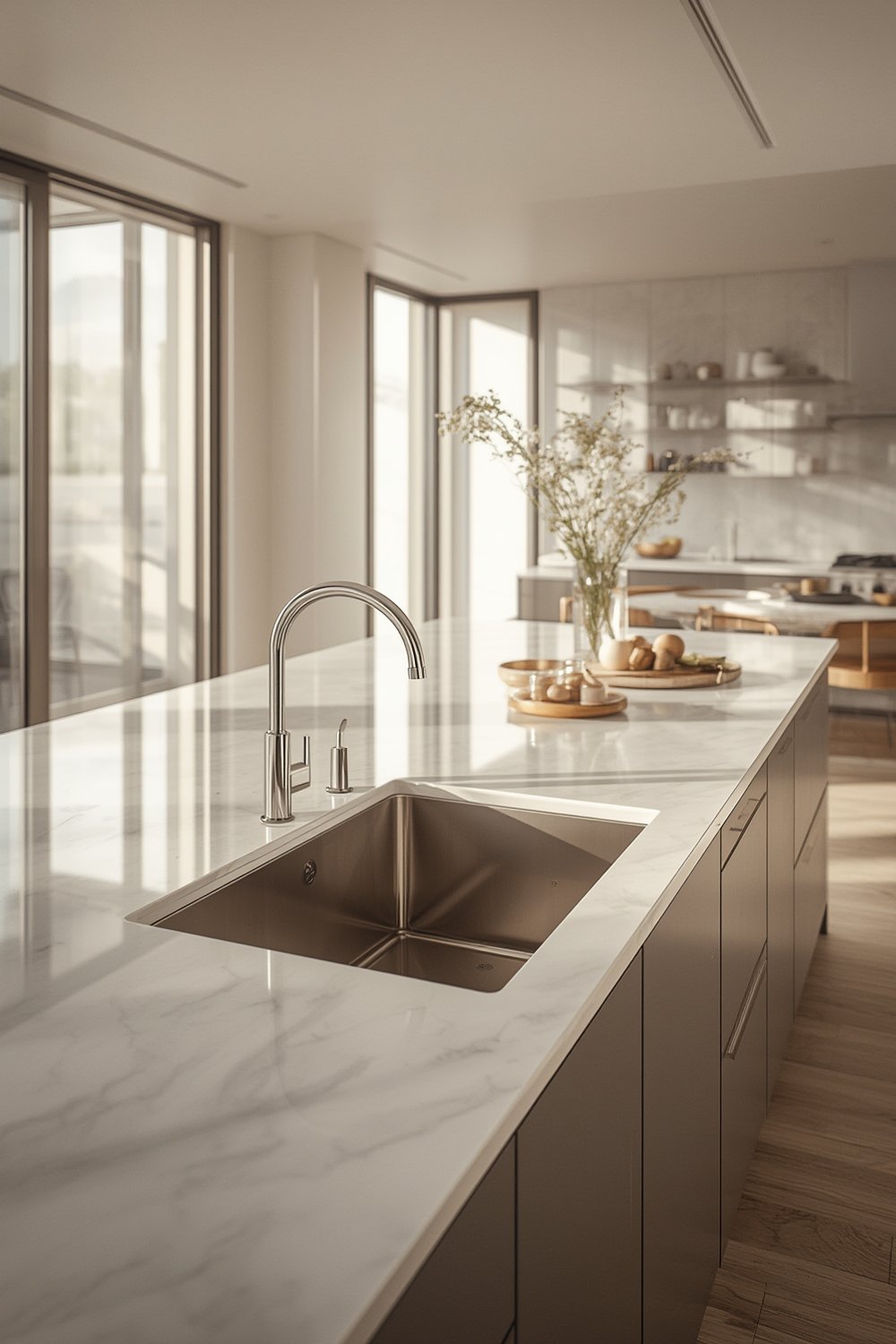
The main advantage? Efficiency. Whether you’re chopping vegetables, rinsing fruit, or drying pasta, accessories are always at arm’s reach. For small kitchens or anyone seeking a cleaner, more organized space, workstation sinks deliver major functional upgrades compared to traditional sinks. The global kitchen sinks market reflects this momentum, valued at over USD 3.5 billion in 2024, with multifunctional sinks driving much of the growth.
Materials like stainless steel remain top picks for durability and corrosion resistance. Designs include undermount, top-mount, and farmhouse, allowing seamless integration with a variety of kitchen styles.
Looking for ways to further streamline your prep routine? Check out the Ultimate Guide to Mortar and Pestle Sets for more kitchen efficiency tips.
How to Choose and Install Your Workstation Sink : Step-by-Step Guide .
- Measure Your Space. Workstation sinks are wider and deeper than standard models. Before selecting a model, accurately measure your base cabinet and countertop cutout. This avoids installation headaches and ensures fit — especially in galley or tiny kitchens.
- Pick Your Material and Finish. Stainless steel is popular for its resilience against rust, dents, and high temperatures, but granite, quartz, and fireclay options are trending for their unique looks and quieter operation. Visit our stainless steel cheese grater guide to learn about the perks of quality metals in kitchen gear.
- Decide on Mount Style. Undermount sinks provide a flush, seamless look, while top-mount options are easier to retrofit. Apron-front (farmhouse) models add style and can offer added workspace on the ledge.
- Check Accessory Compatibility. Examine which accessories come included (cutting board, drying rack, colander) and how easily they slide or lock into place. Some sinks allow universal upgrades; others require brand-specific gear.
- Review Installation Requirements. Many workstation sinks are heavy due to thicker gauge metals and accessories. Confirm your cabinet’s load capacity and whether added supports or professional installation are recommended.
- Install and Test. Carefully follow the manufacturer’s manual. Pay attention to sealing the perimeter and plumbing connections to prevent leaks or water damage.
- Routine Care. Clean the sink and accessories after heavy use to prevent mildew and buildup. Accessories made of bamboo or wood need prompt drying to avoid warping.
If you’re serious about organization, pair your new sink with top kitchen organization tools for a truly clutter-free cooking zone. Upgrading tools such as a stainless steel garlic press or manual food chopper can also save you time during every meal prep session.
For home bakers, consider matching your workstation sink with a stainless steel whisk and colander for optimal rinsing and mixing.
Advanced Analysis : Real-World Pitfalls and Comparison Table .
Before you invest, it’s critical to weigh the pros and anticipate real-life challenges. Data indicates that most critiques about workstation sinks aren’t widely documented, but broader trends highlight a few recurring pitfalls:
- Raw Material Price Fluctuations: Stainless steel models can become expensive as prices rise, affecting budget picks and, in some instances, causing supply delays. (source)
- Cabinet and Countertop Fit: Not all workstations will fit every base cabinet or existing cutout. Failure to measure and plan can lead to costly countertop modifications or return hassles.
- Accessory Storage and Upkeep: Accessories (like bamboo boards or racks) can develop mold or warp if not cleaned and dried promptly. Users sometimes complain about clutter when accessories aren’t in use.
- Installation Complexity: Larger and heavier models may need extra reinforcement or professional help, which can drive up total install costs.
- Noise and Water Stains: Low-gauge stainless can be noisy, and some finishes show fingerprints or water marks more readily.
While competitor blogs often tout convenience, they rarely dive into these downsides or compare features and specs side by side. Here’s a realistic comparison based on available insights from the kitchen sink market. (Adapted from market research source)
| Feature | Budget Workstation Sink | Mid-Range Workstation Sink | Premium Workstation Sink |
|---|---|---|---|
| Material | 18 or 20-gauge stainless steel | 16-gauge stainless steel or granite composite | 16-gauge premium stainless, heavy granite, or fireclay |
| Size Range (inches) | 25 to 30 L x 18 to 20 W x 8 D | 30 to 33 L x 19 to 22 W x 9-10 D | 33+ L x 20+ W x 10+ D |
| Accessory Set | Basic (limited cutting board + rack) | Cutting board, colander, drying rack, drain covers | Full kit: multiple boards, colanders, racks, drain covers, custom storage |
| Average Price | $230-$400 | $400-$800 | $800-$1,800+ |
| Ease of Installation | Usually DIY (basic skills) | DIY or professional (if undermount or farmhouse style) | Often requires professional install/supports |
| Durability Issues | Prone to dents, noise, accessory mismatch | Improved resistance, moderate care needed | Excellent, but heavier/needs support |
Budget models offer entry-level convenience, but for lasting quality and seamless accessory integration, mid-range and premium models are a better long-term value. Remember, higher costs may be justified by better durability, robust warranty, and personalized accessory fit.
Buying your first workstation sink? Explore manual kitchen tools for more buying tips.
Conclusion :
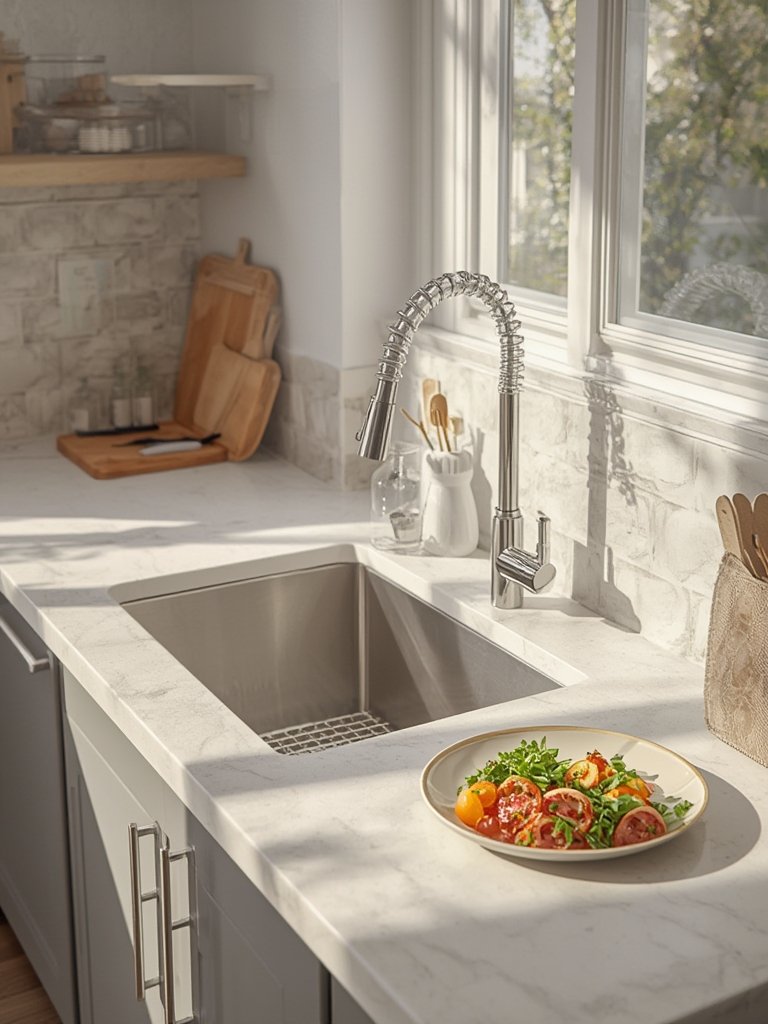
Workstation sinks represent a leap forward in kitchen workflow, bringing together cleaning, prepping, and organizing in one space. Measure carefully, research accessory compatibility, and weigh installation logistics before you commit. Whether for new kitchens or upgrades, a workstation sink can significantly boost your kitchen’s efficiency.
Ready to upgrade your kitchen experience? Find the ideal model for your space and enjoy a cleaner, more efficient cooking zone. Discover more organizational essentials in our complete kitchen organization guide.
FAQ :
Do all workstation sinks come with the same accessory sets?
No, accessory kits vary widely. Budget sinks often include just a basic cutting board and rack, while mid-range and premium models can add colanders, multiple drain covers, and specialty tools. Always confirm included accessories before buying.
Can a workstation sink be retrofitted into my existing countertop?
It depends on your cabinet size and the mounting type. Top-mount workstation sinks are easiest to retrofit, but undermount and farmhouse styles may require countertop modifications. Double check all measurements before purchasing.
What are common cleaning and maintenance issues?
Bamboo cutting boards can warp if left wet, and stainless steel surfaces may show water spots or fingerprints. Routine drying and occasional use of non-abrasive cleaners solve most issues. Accessories need regular cleaning to avoid mildew.
Is stainless steel the best material for workstation sinks?
Stainless steel is highly durable, affordable, and resists rust and stains. Granite and fireclay offer quieter operation and unique looks but usually at a higher price. Choose the material that fits your usage needs and kitchen style.
Are workstation sinks worth the price premium over regular sinks?
If you value prep efficiency and space-saving design, they’re worth the initial investment — especially in busy or smaller kitchens. Integrated accessories and workflow benefits often justify the cost for frequent cooks.
[…] efficiency, especially in smaller spaces, RVs, or homes where every inch matters. Most modern workstation sinks even ship with a fitted sink cover you can use as a cutting board, serving tray, or prep […]
[…] the market for a hard water filter for your kitchen? Workstation sinks with compatible filtration can help you prepare food and clean more […]
[…] you’re exploring related upgrades to your kitchen, adding a sink cover or a workstation sink kit can also maximize your space and improve […]